Medical Awareness Seminar on Breast Cancer and the Importance of Early
2026-11-27
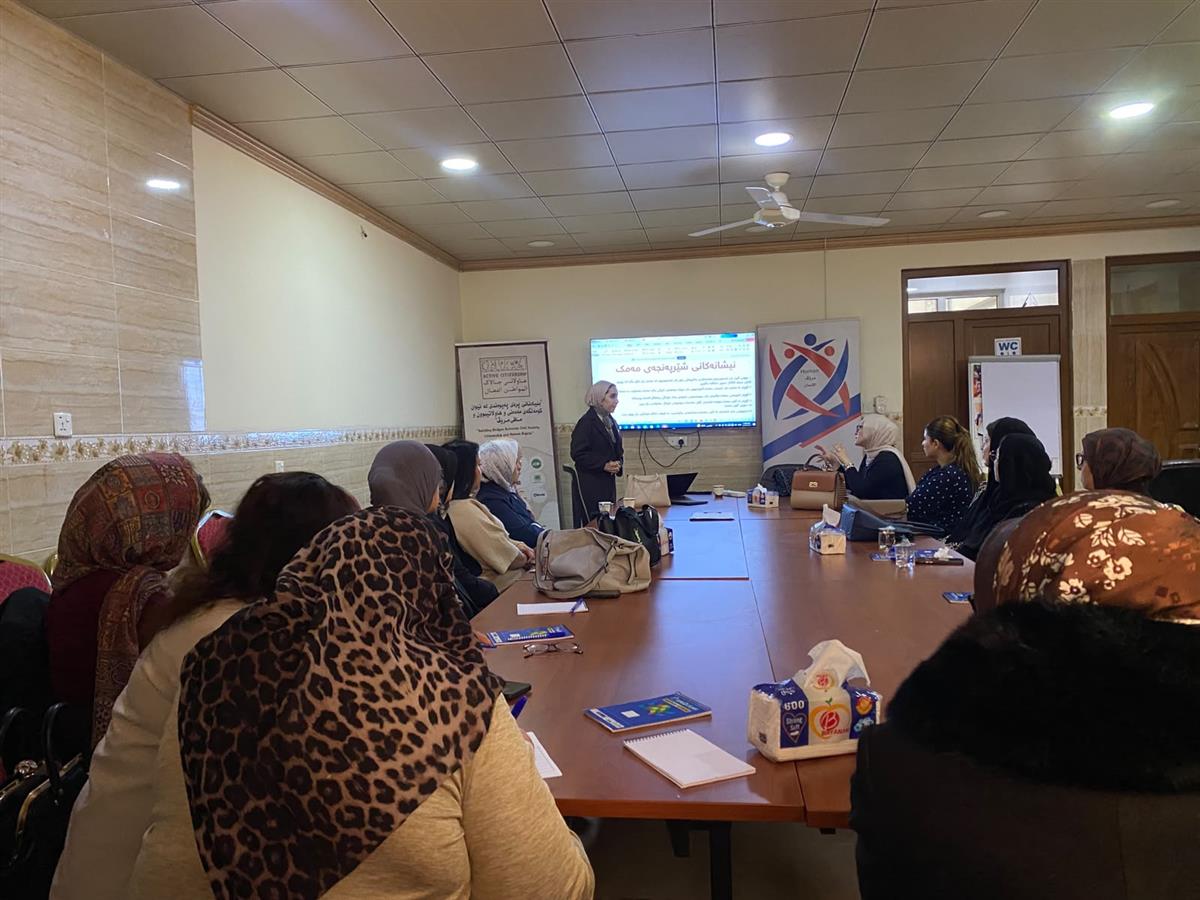
* Organizer: Human Network for Health and Humanitarian Action
* Occasion: 16 Days of Activism against Gender-Based Violence (Violence against Women)
* Activity Title: Medical Awareness Seminar on Breast Cancer and the Importance of Early Detection
* Date: November 24, 2026
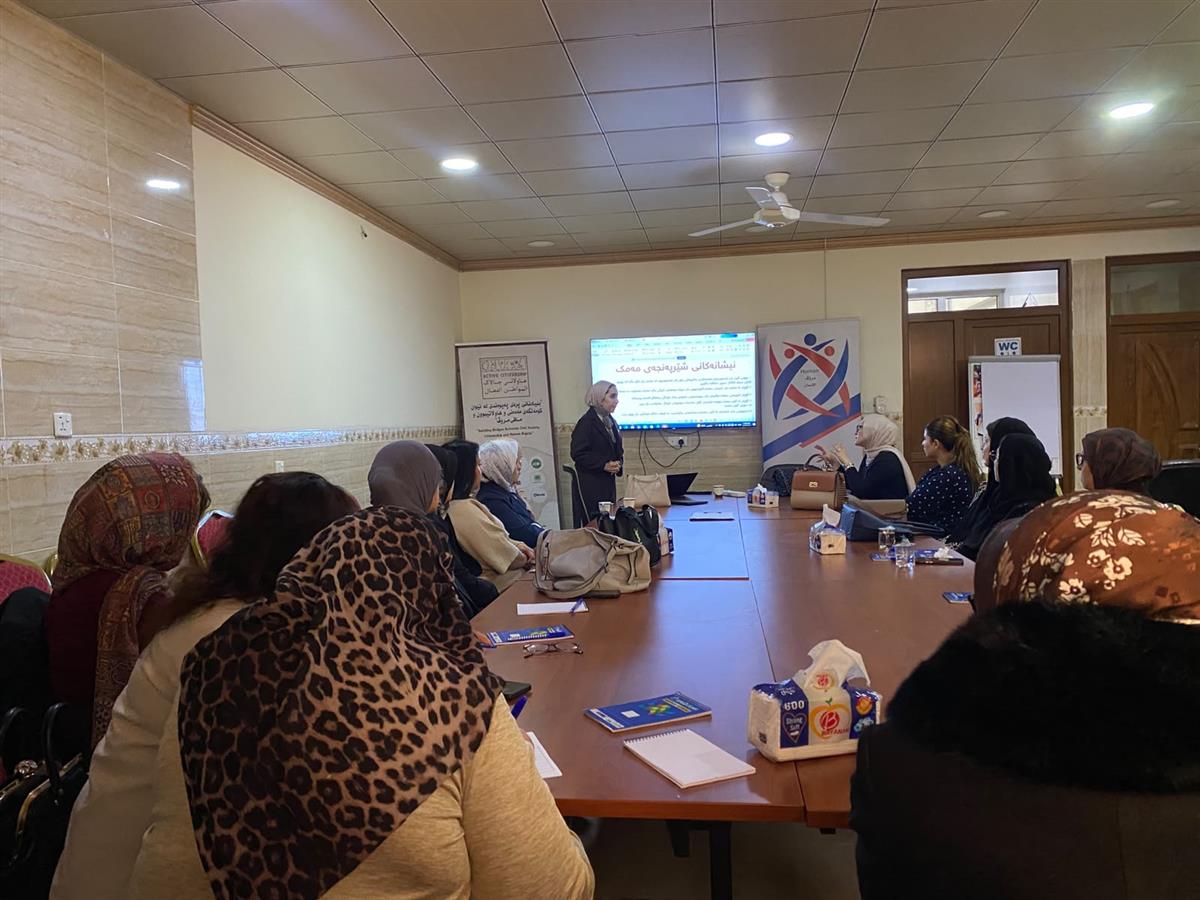
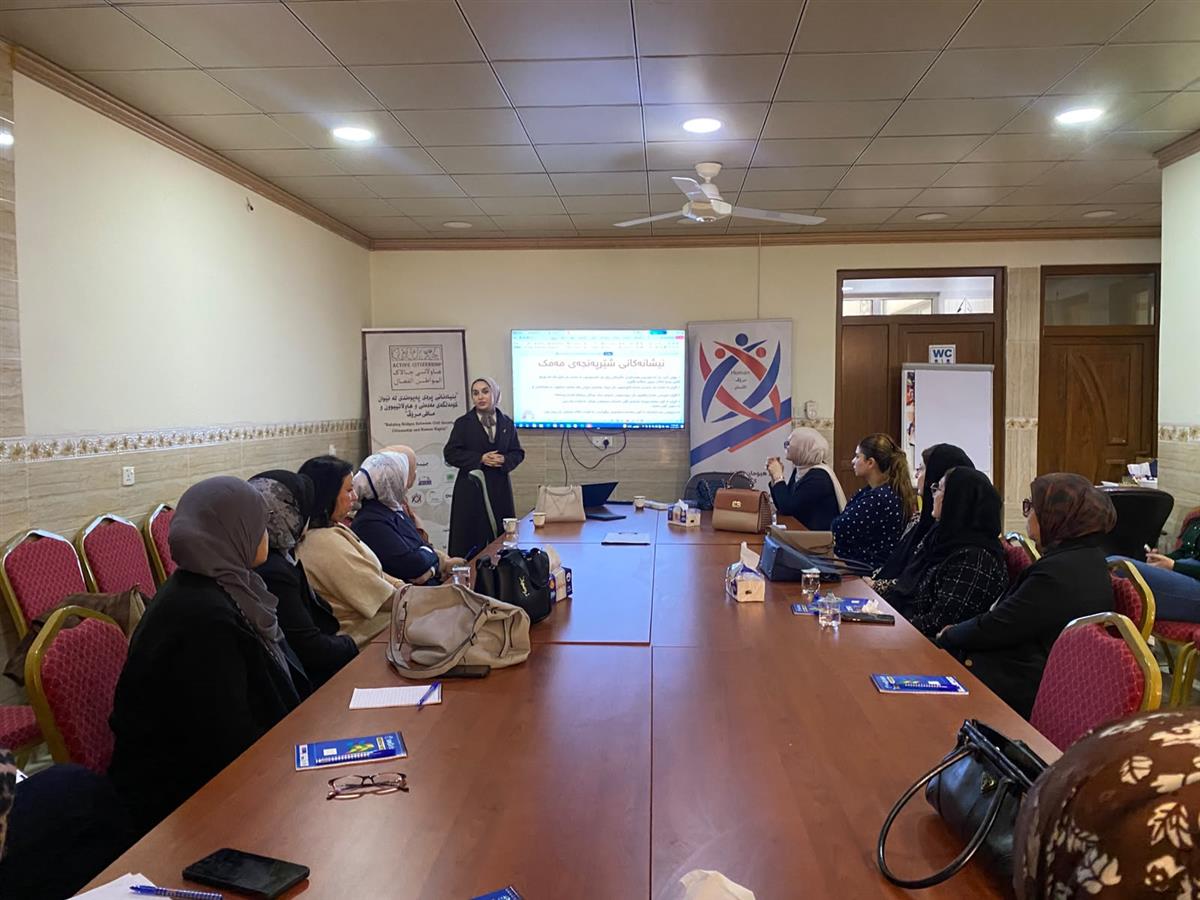
* Venue: Human Network Office Hall
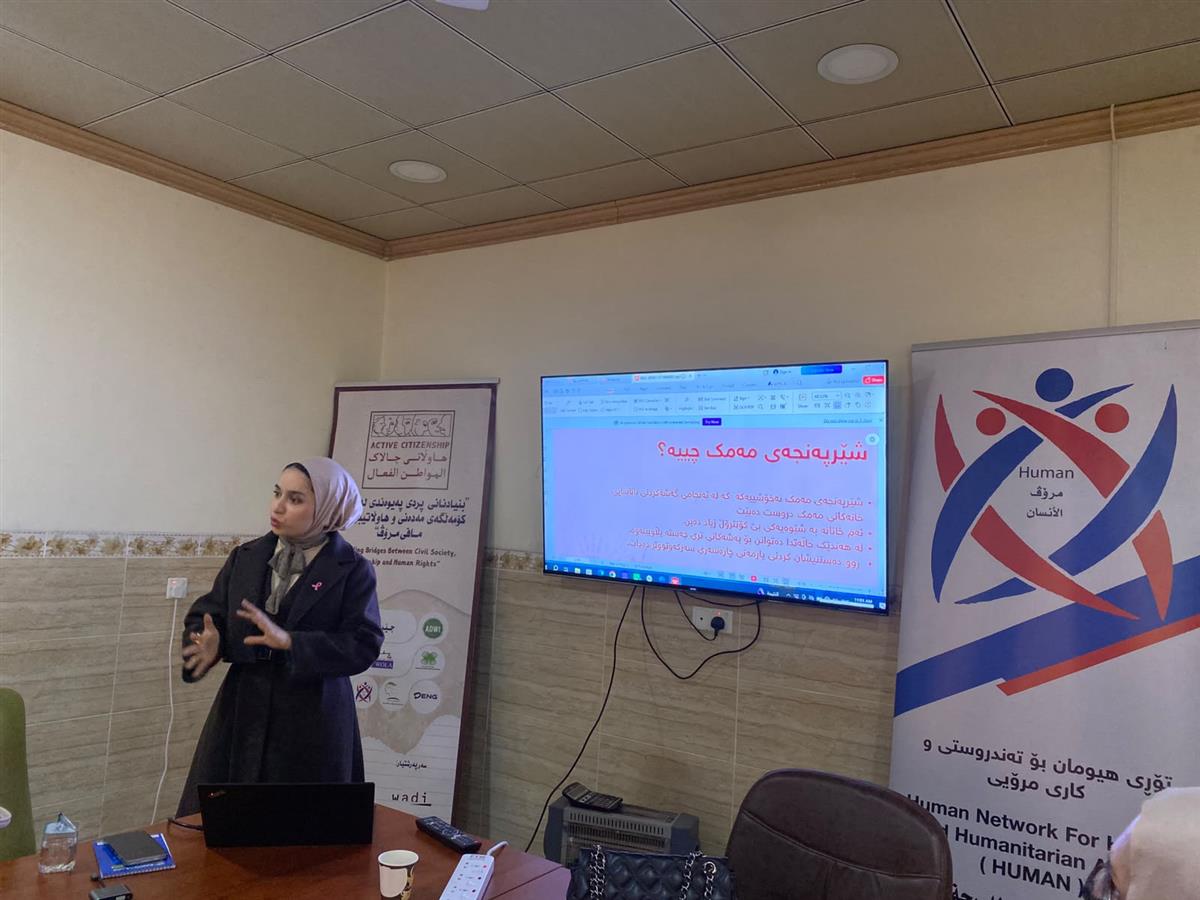
* Seminar Presenter: Dr. Kurdistan Ibrahim
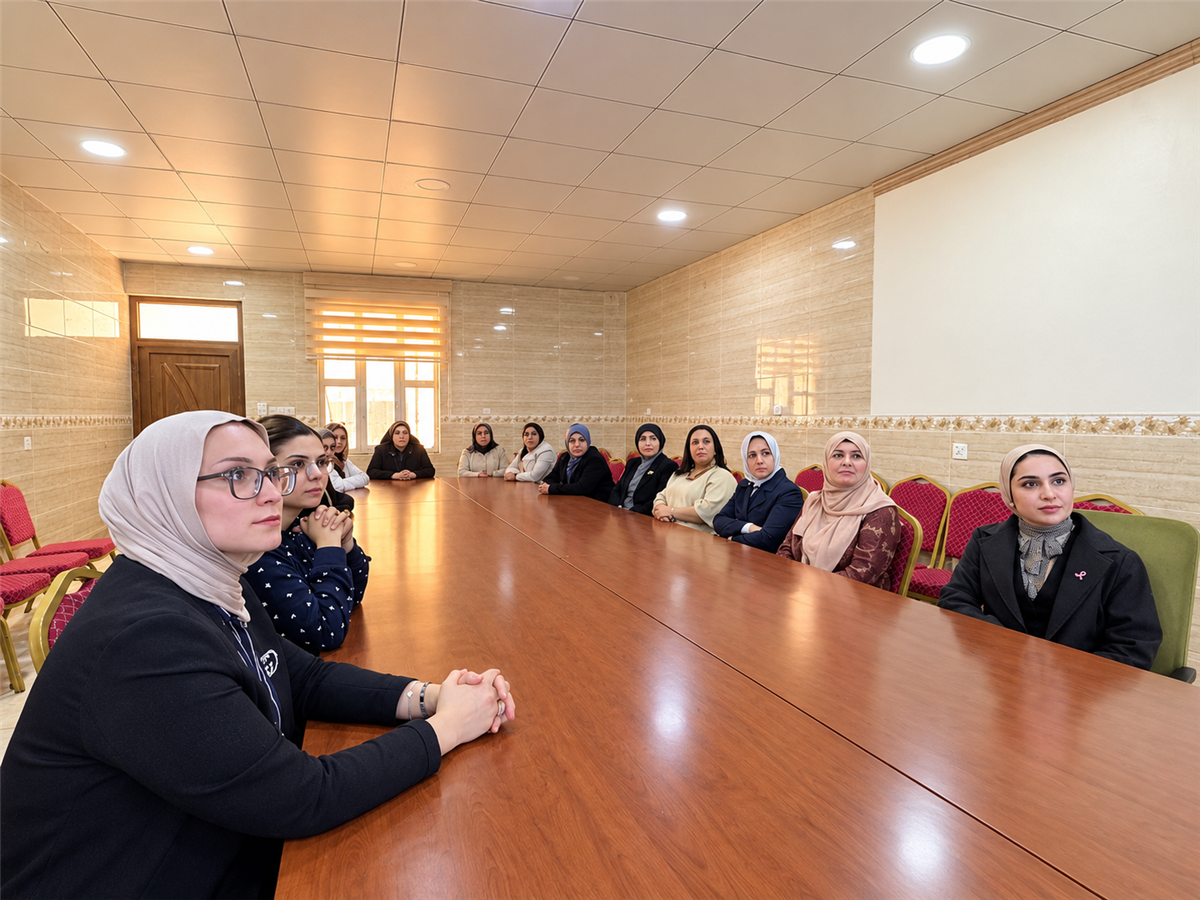
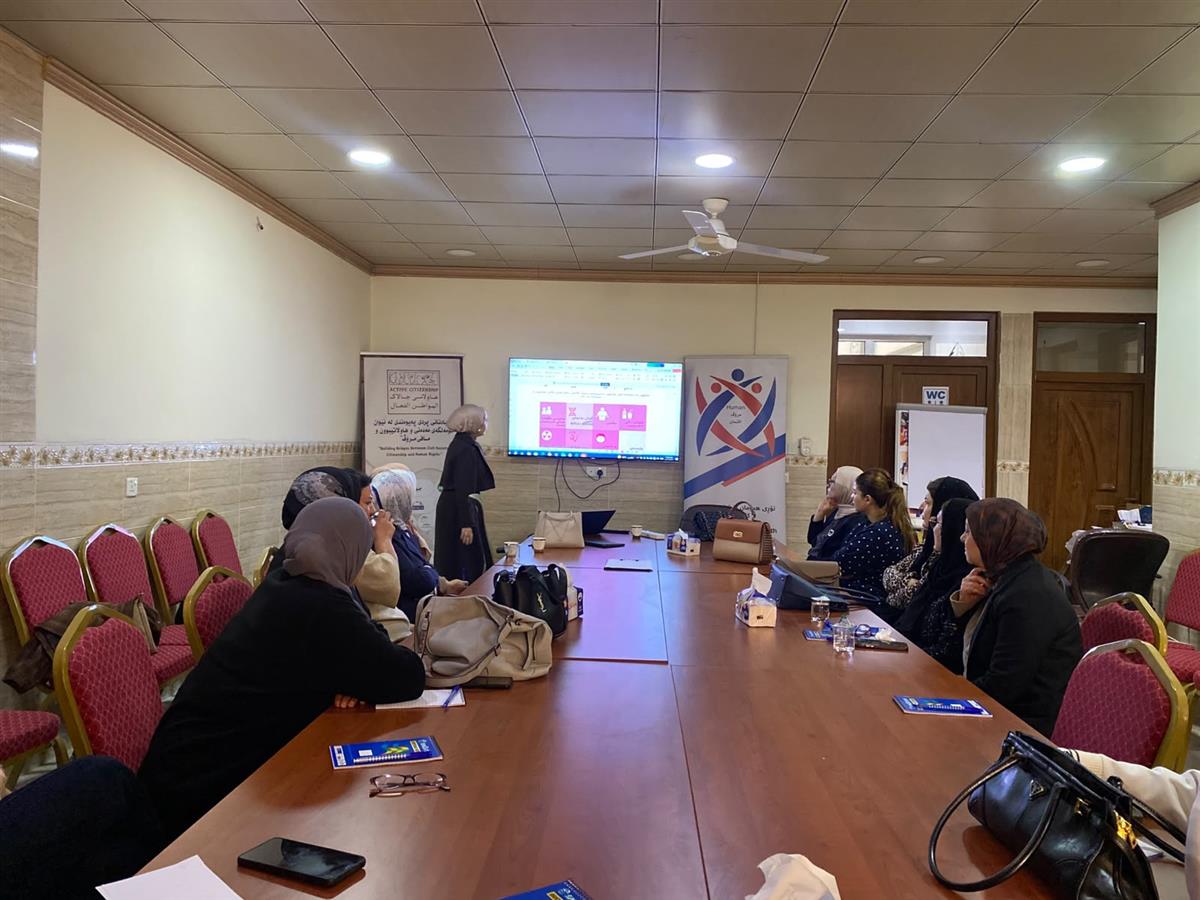
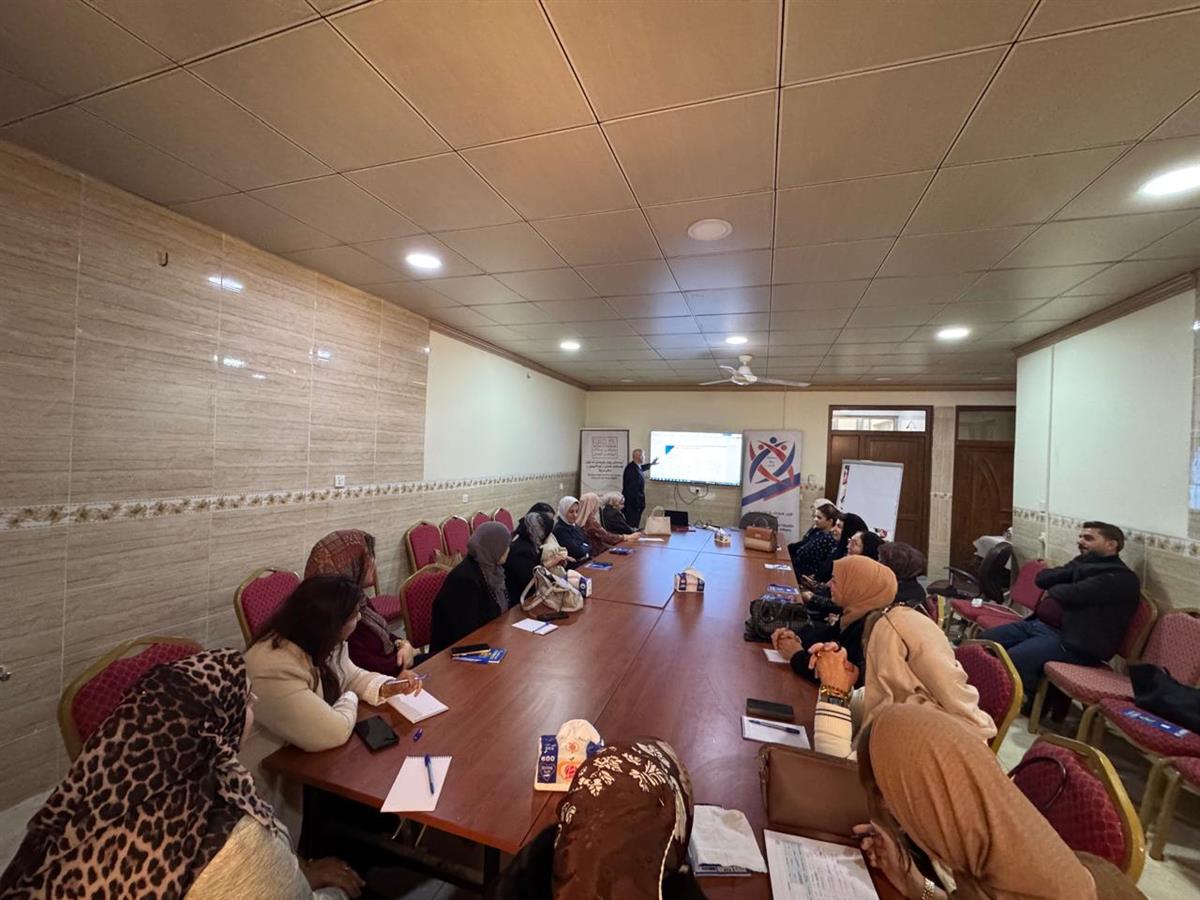
* Target Audience and Number of Attendees: 24 women and girls
Introduction and Objectives of the Seminar
In line with its social and health-related responsibilities, and coinciding with the 16 Days of Activism against Violence against Women, the Human Network organized a specialized medical awareness seminar on breast cancer. The activity aims to link protection from violence with the health and psychological empowerment of women, recognizing that the right to health and preventive care is an essential component of women’s dignity and protection.
Key Objectives of the Session:
* To raise health awareness among women and girls regarding the nature of breast cancer and methods for its prevention.
* To correct misconceptions and false beliefs about the disease within the community.
* To provide practical training to participants on self-examination techniques for early detection, which significantly increases recovery rates. Seminar Topics and Session Overview
1- Introduction to the Disease and General Medical Information
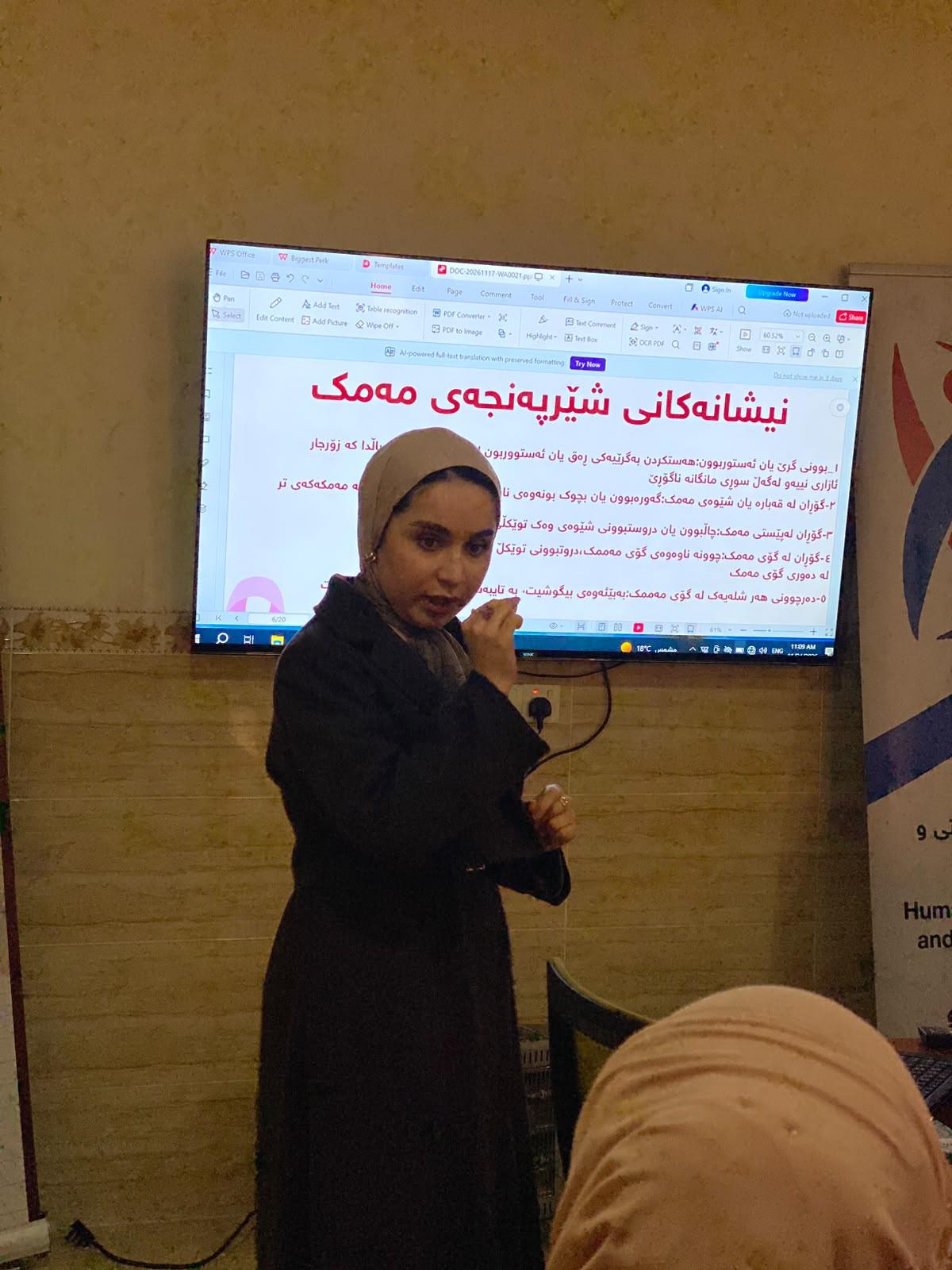
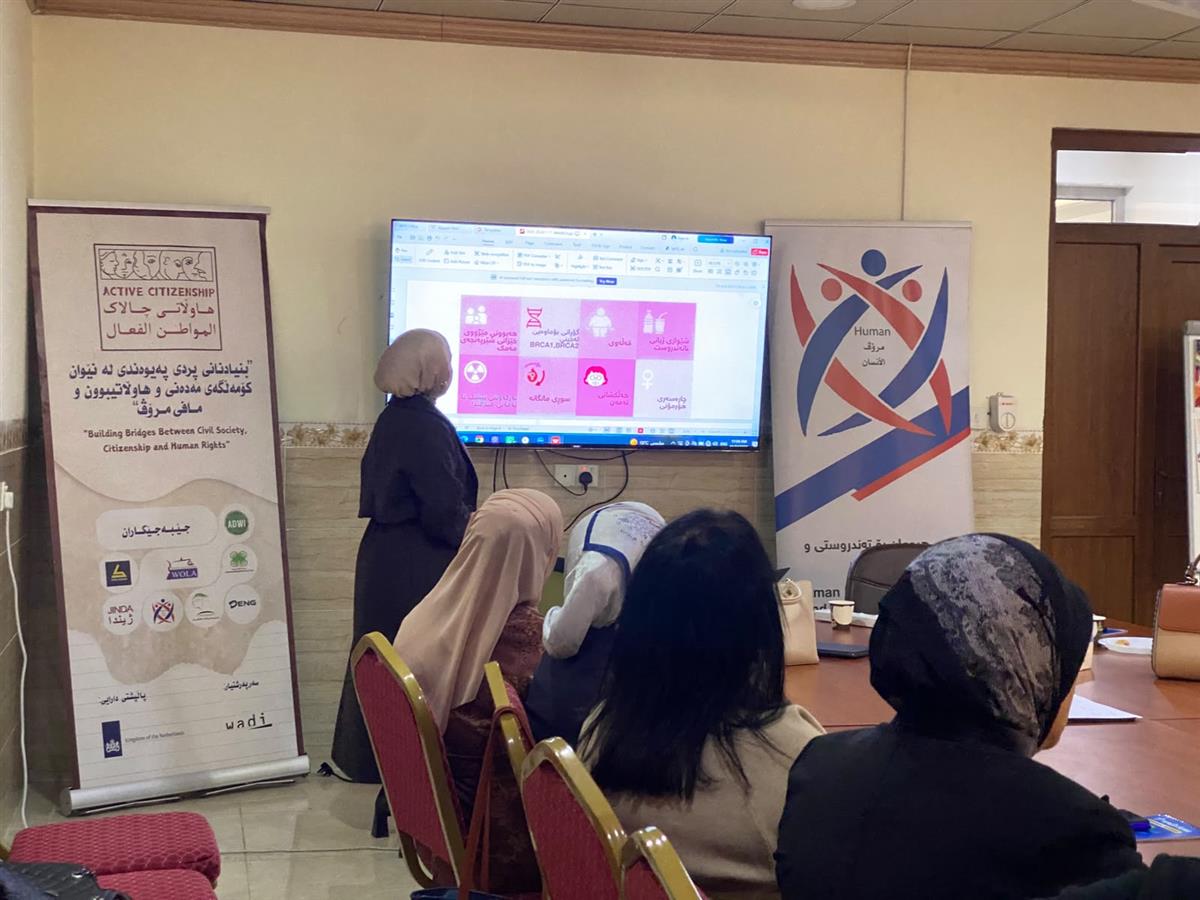
The specialist physician opened the session by providing a clear, scientific explanation of what breast cancer is and how abnormal cells develop. She clarified the fundamental differences between benign and malignant tumors, emphasizing that detecting the disease in its early stages increases the recovery rate to over 90%.
2- Causes and Potential Risk Factors
The physician reviewed factors that may increase the likelihood of developing the disease, categorizing them into two groups:
* Non-modifiable factors: Advancing age, family history, and genetic or hereditary factors.
* Lifestyle-related (modifiable) factors: Obesity, physical inactivity, smoking, long-term use of hormone therapy without medical supervision, and chronic psychological stress.
3- Diagnostic Methods and Early Detection
The session covered the established medical procedures for diagnosing the disease—ranging from routine self-monitoring and clinical examinations to mammograms and ultrasounds—while specifying the appropriate age groups for each type of screening.
4- Practical Application and Self-Examination Exercises
The seminar included an interactive, practical component in which the physician provided step-by-step training to the 24 participants on how to perform breast self-examinations at home, including the optimal time each month to do so. She also highlighted physical warning signs that necessitate an immediate medical consultation (such as changes in the appearance of the skin, the presence of lumps, or unusual discharge). Engagement and Outcomes
The seminar saw significant engagement from the women and girls in attendance. A discussion session was held at the end, during which the specialist physician addressed all inquiries regarding health concerns and routine screenings.
Key achievements:
* 24 women and girls acquired the skills to perform proper breast self-examinations.
* The barriers of fear and social stigma surrounding discussions about breast health and early screening were broken down.
* Awareness was raised regarding the importance of regular medical check-ups as an essential component of women’s self-care.
Recommendations
* Continue organizing periodic health awareness sessions, targeting a broader range of women across various regions.
* Coordinate with local health centers to facilitate access to clinical examinations or mammograms for participants, either free of charge or at a reduced cost.
* Develop and distribute illustrated informational brochures that summarize the steps for breast self-examination, serving as a permanent reference for the participants.