Training Course on First Aid and Emergency Response
2026-11-21
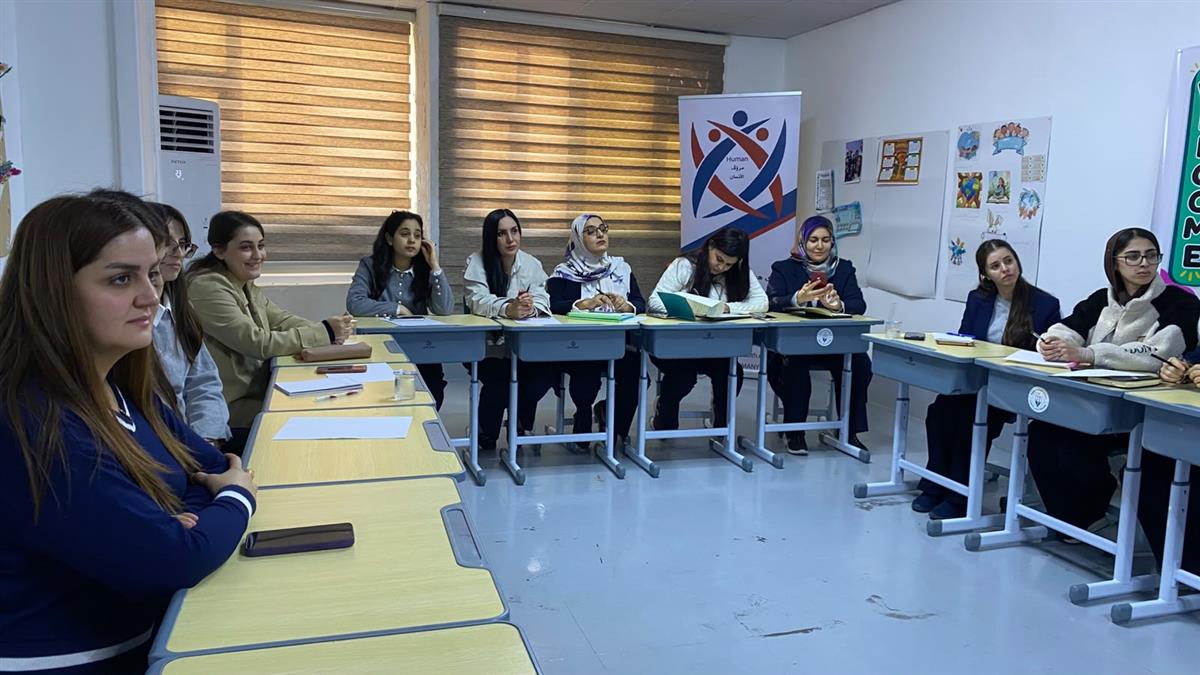
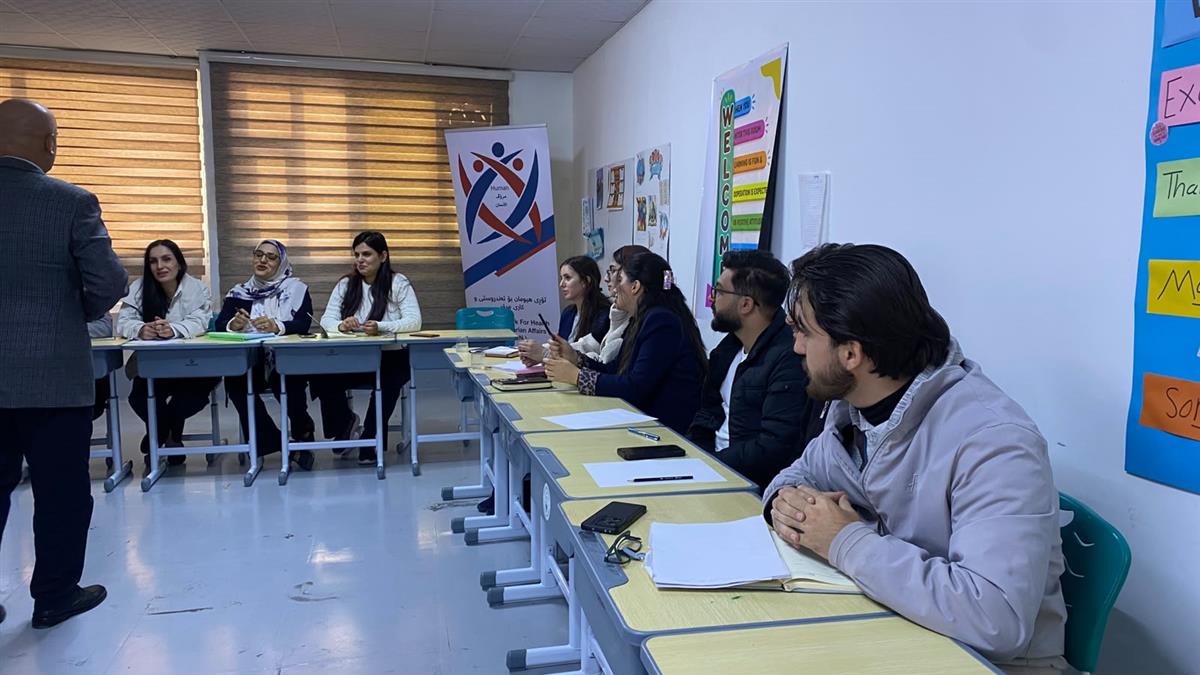
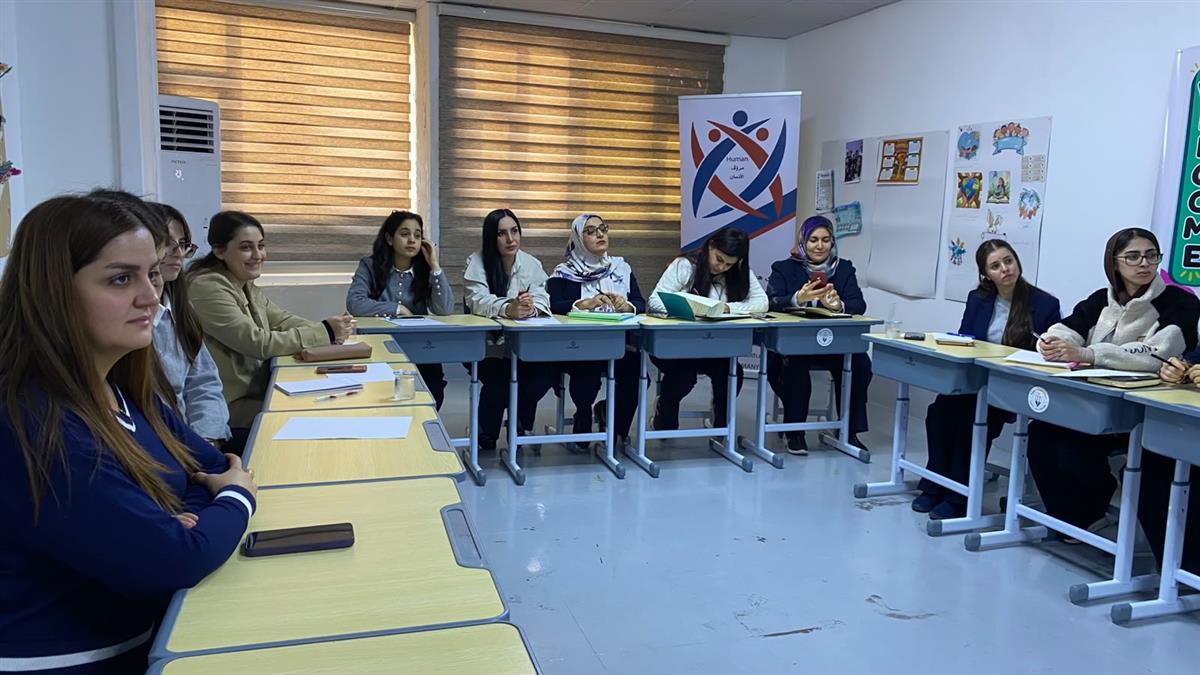
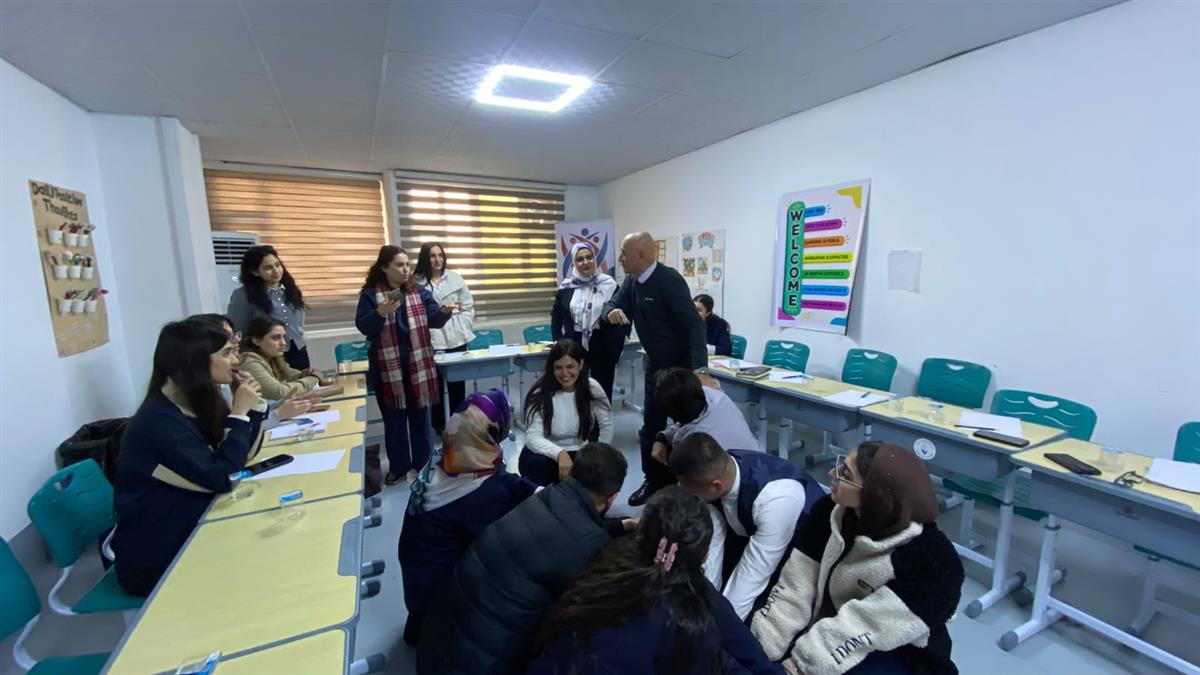
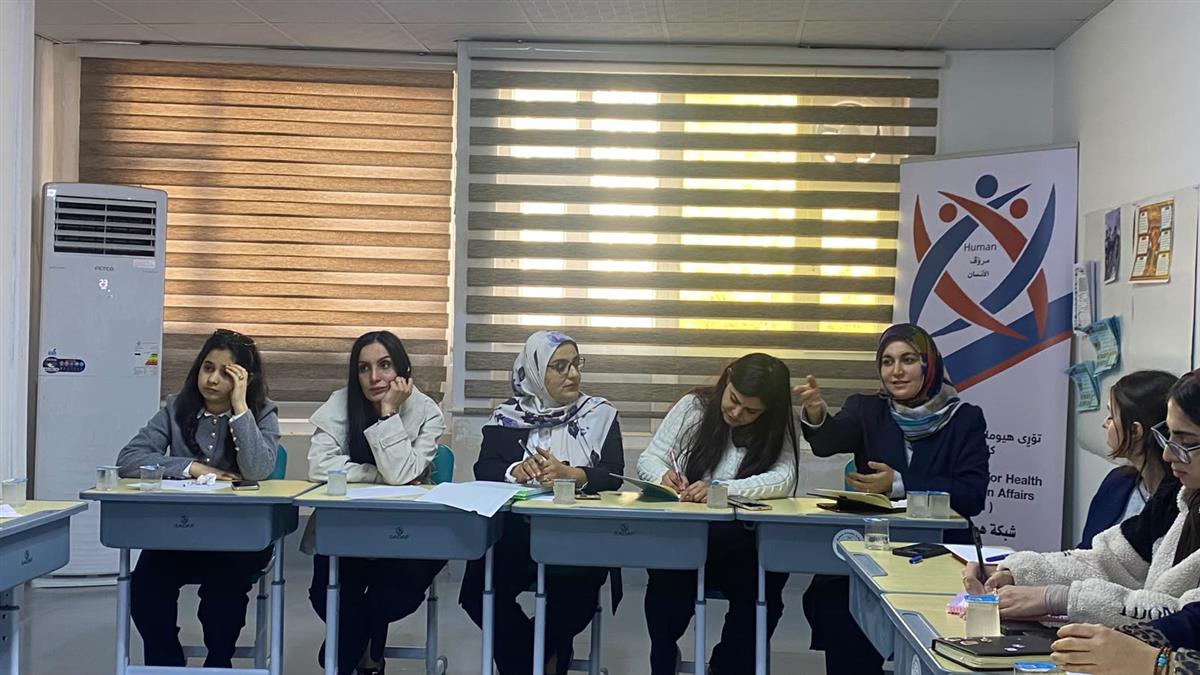
Training Course on First Aid and Emergency Response for Teachers and Staff of Baban School in Sulaymaniyah
Implementing Organization: Human Network for Health and Humanitarian Work (HUMAN)
Cooperating Institution: Baban School Administration
Location: Baban School – Sulaymaniyah City
Date: 16 November 2026
Duration: One full training day
Number of Participants: 17 teachers and school staff members
1. Background of the Activity
As part of its commitment to promoting public health, raising awareness of prevention and community safety, and strengthening the capacities of educational and community institutions in emergency preparedness and response, the Human Network for Health and Humanitarian Work (HUMAN), in cooperation with the administration of Baban School in Sulaymaniyah, organized a specialized training course on first aid and emergency response on 16 November 2026. The training lasted one full day.
The activity was organized in recognition of the importance of equipping teachers and school staff with the essential knowledge and skills required to respond effectively to accidents and injuries that may occur within the school or its surrounding environment. It also aimed to strengthen the preparedness of educational institutions to deal with emergencies and disasters, including fires, floods, earthquakes, and other unexpected incidents.
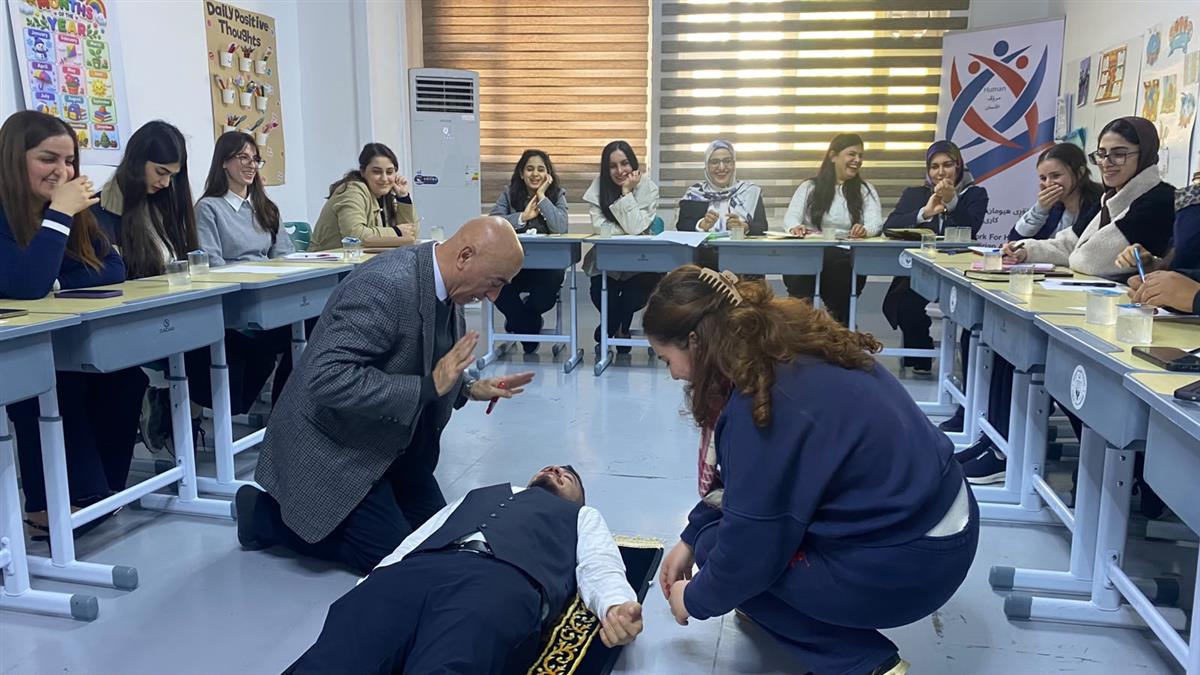
A total of 17 teachers and school staff members participated in the training. The programme combined theoretical knowledge with practical exercises to improve participants' ability to respond appropriately and promptly when accidents and emergencies occur.
2. Training Objectives
The training aimed to achieve the following objectives:
Strengthen the knowledge and skills of teachers and school staff in the field of first aid.
Enable participants to respond correctly and promptly to injuries and unexpected accidents.
Introduce basic first aid techniques for burns, wounds, bleeding, and various types of injuries.
Enhance participants' ability to respond to medical emergencies and provide immediate assistance to injured persons.
Raise awareness and preparedness for natural disasters, including floods and earthquakes.
Familiarize participants with safety principles and initial response measures in situations involving wars, crises, and emergencies.
Promote a culture of prevention and safety within the school environment and contribute to protecting the lives of students and staff.
Strengthen the capacity of school personnel to make appropriate decisions during the critical first minutes of an incident, until specialized emergency and medical teams arrive.
3. Training Topics and Contents
The training programme covered several key topics and areas, including:
3.1. Basic Principles of First Aid
Understanding the concept and importance of first aid.
Assessing the scene of an accident and ensuring the safety of both the injured person and the first aider.
Identifying the nature and severity of injuries.
Requesting medical assistance and communicating with emergency response teams.
Providing initial assistance to injured persons until professional medical support arrives.
3.2. First Aid for Injuries and Accidents
How to provide first aid for different degrees of burns.
First aid for wounds and bleeding.
Responding to fractures, sprains, and injuries resulting from falls.
Dealing with fainting and loss of consciousness.
Recognizing medical emergencies and providing appropriate initial assistance.
3.3. Response to Natural Disasters
Appropriate actions and safety measures during floods.
Safety and evacuation procedures in the event of earthquakes.
Protecting injured persons and avoiding additional risks during disasters.
Organizing initial emergency response and communicating with rescue and ambulance teams.
3.4. Response to Wars, Crises, and Emergencies
Personal safety principles and protecting others during conflicts and wars.
Initial response to injuries resulting from accidents and explosions.
Identifying safe areas and avoiding sources of danger.
Organizing initial response measures and notifying the relevant authorities.
3.5. Safety and Emergency Preparedness in Educational Institutions
The importance of establishing a first aid culture within schools.
The responsibilities of teachers and school staff when accidents occur.
The importance of rapid response and coordination between school administrations, health institutions, and emergency response teams.
Strengthening preventive measures and reducing risks within the school environment.
4. Results and Key Outputs
The implementation of this training contributed to strengthening participants' awareness and knowledge. The main results and outputs included:
A total of 17 teachers and school staff members participated in a specialized training programme on first aid and emergency response.
Improved understanding of basic first aid principles and appropriate responses to different types of injuries and accidents.
Enhanced capacity among participants to recognize emergency situations and identify appropriate initial response measures.
Increased awareness of the risks associated with natural disasters and crises, as well as appropriate initial response procedures.
Strengthened understanding of the shared responsibility of school management, teachers, and staff in providing a safer educational environment.
Encouraged the adoption of safety and emergency preparedness measures as part of the school's daily activities and practices.
5. Importance of the Activity and Community Impact
This training is particularly important given the vital role teachers and school personnel play in protecting students within educational institutions. Equipping them with essential first aid knowledge and skills can help ensure immediate assistance is provided when needed and reduce complications resulting from accidents and injuries.
Furthermore, expanding the training to include responses to floods, earthquakes, wars, and other emergencies strengthens the preparedness of educational institutions to address different types of risks. It also enhances their capacity to protect students and staff and coordinate effectively with relevant authorities when emergencies occur.
6. Conclusion and Recommendations
The Human Network for Health and Humanitarian Work (HUMAN) emphasizes the importance of continuing to implement training programmes related to first aid, safety, and emergency response, particularly within educational institutions, as these environments require ongoing preparedness and the ability to respond effectively to unexpected incidents.
The activity recommends the following:
Organizing regular and advanced first aid training courses for teachers and school personnel.
Providing schools with first aid kits and essential medical supplies.
Developing clear evacuation and emergency response plans for accidents and disasters.
Strengthening cooperation and coordination between schools, health institutions, Civil Defence departments, and emergency response teams.
Conducting regular practical exercises and simulation drills to improve preparedness and response capacities.
In conclusion, the Human Network for Health and Humanitarian Work (HUMAN) extends its sincere appreciation and gratitude to the administration of Baban School for its cooperation and support in organizing this activity, as well as to all participants for their engagement and interest.
HUMAN reaffirms its commitment to continuing its efforts to support initiatives that promote public health, protect lives, and contribute to building a more aware, resilient, and better-prepared community capable of responding effectively to emergencies.