First Aid Training and Rapid Response to Medical Emergencies in Chamchamal
2026-11-01
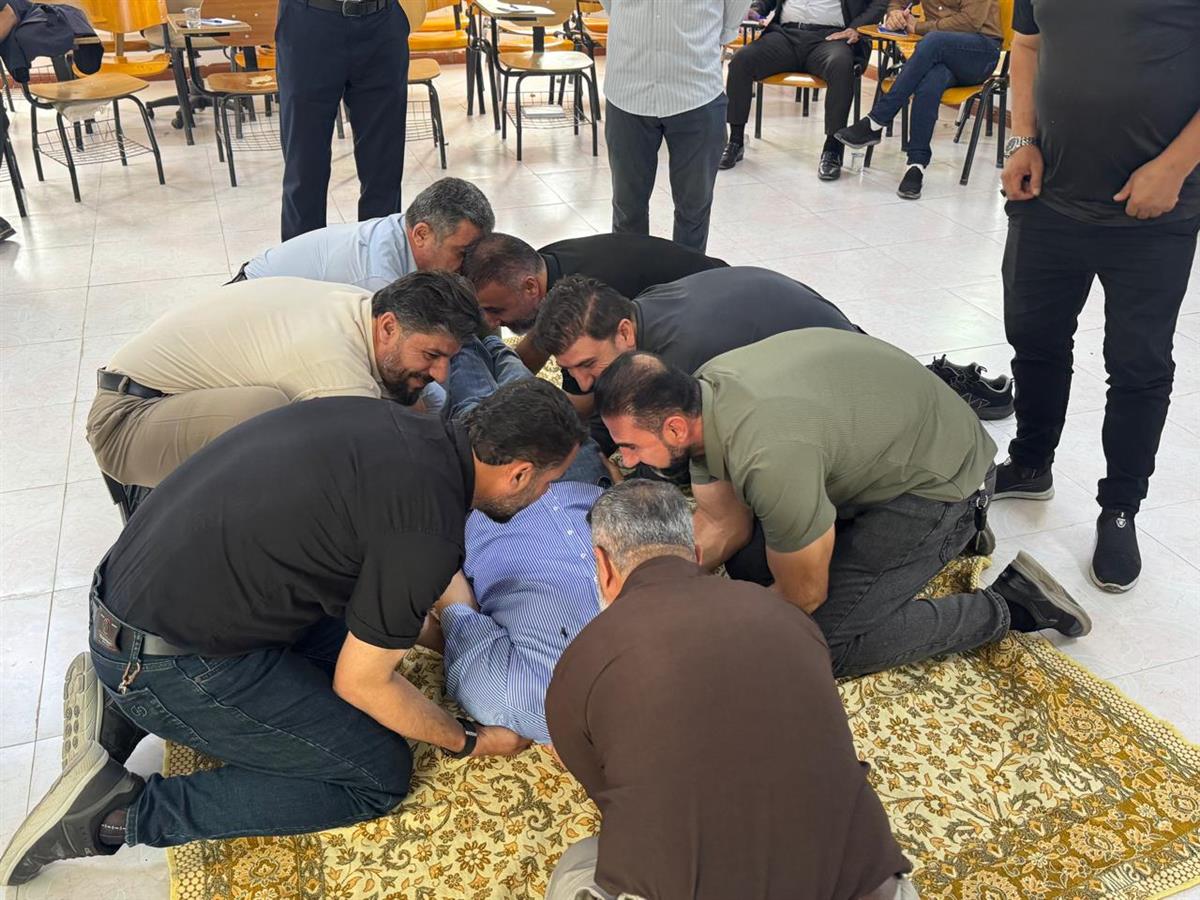
First Aid Training and Rapid Response to Medical Emergencies in Chamchamal
Organizing Organization: Human Network for Health and Humanitarian Work (HUMAN)
Cooperating Partner: Chamchamal Health Directorate
Under the Patronage of: Director of Chamchamal Health Directorate
Date of Activity: 28 October 2026
Location: Chamchamal, Kurdistan Region of Iraq
Duration: One full training day
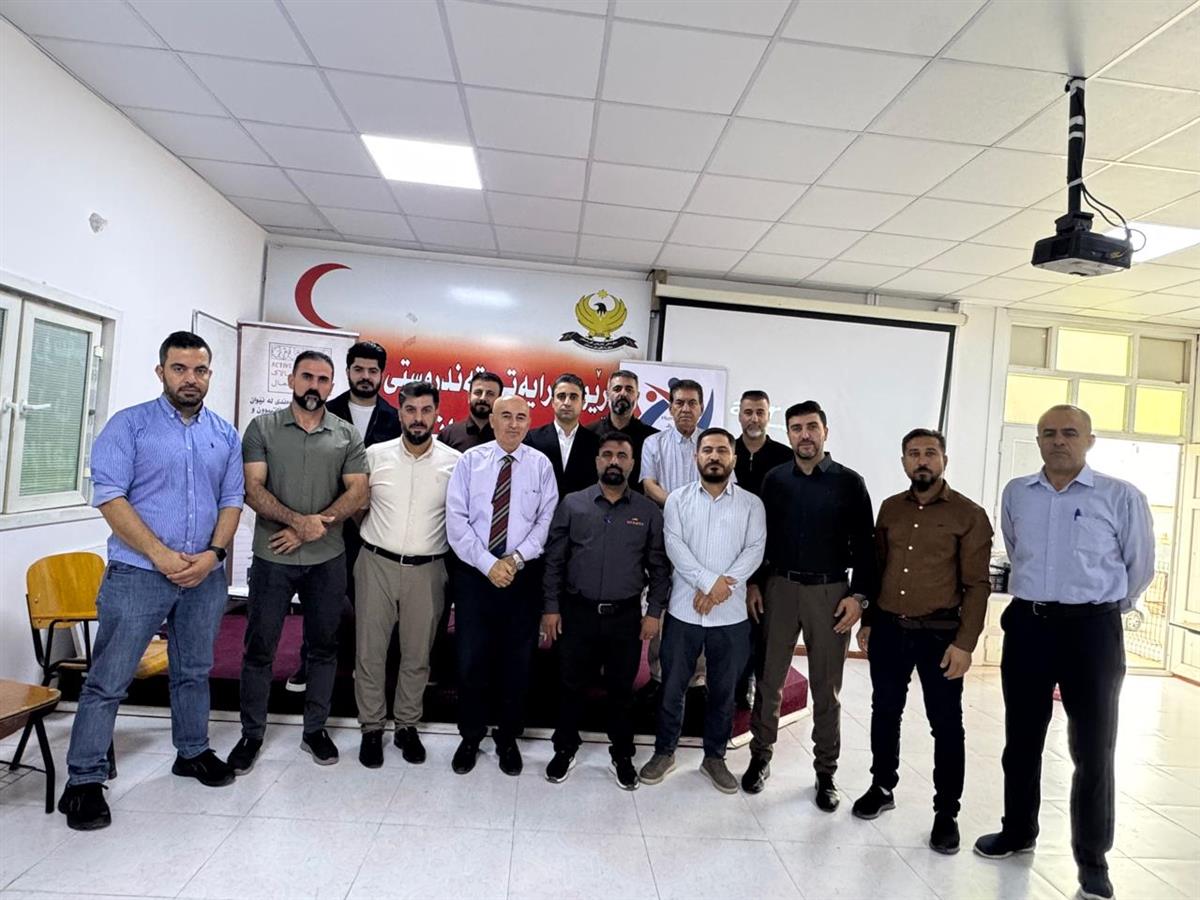
Number of Participants: 19 emergency and immediate ambulance service personnel
1. Introduction
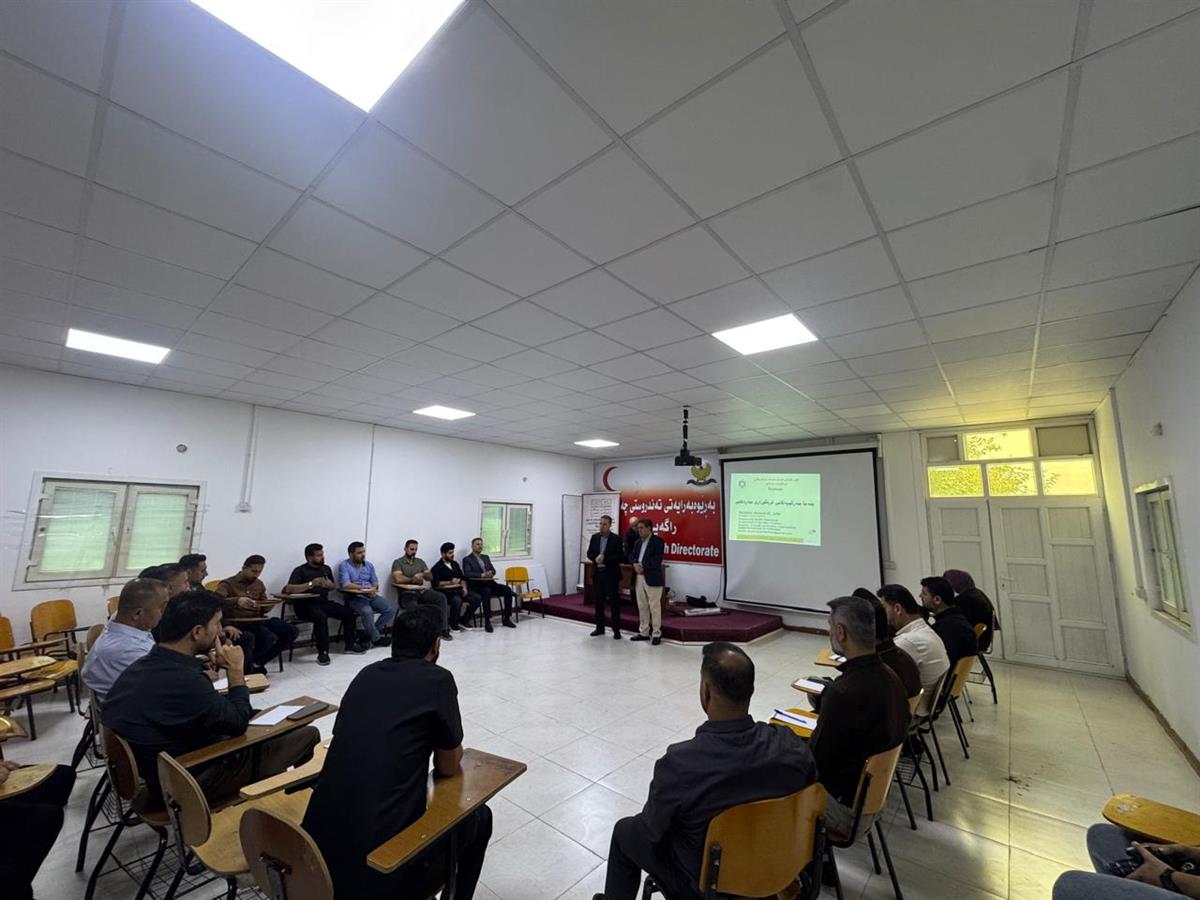
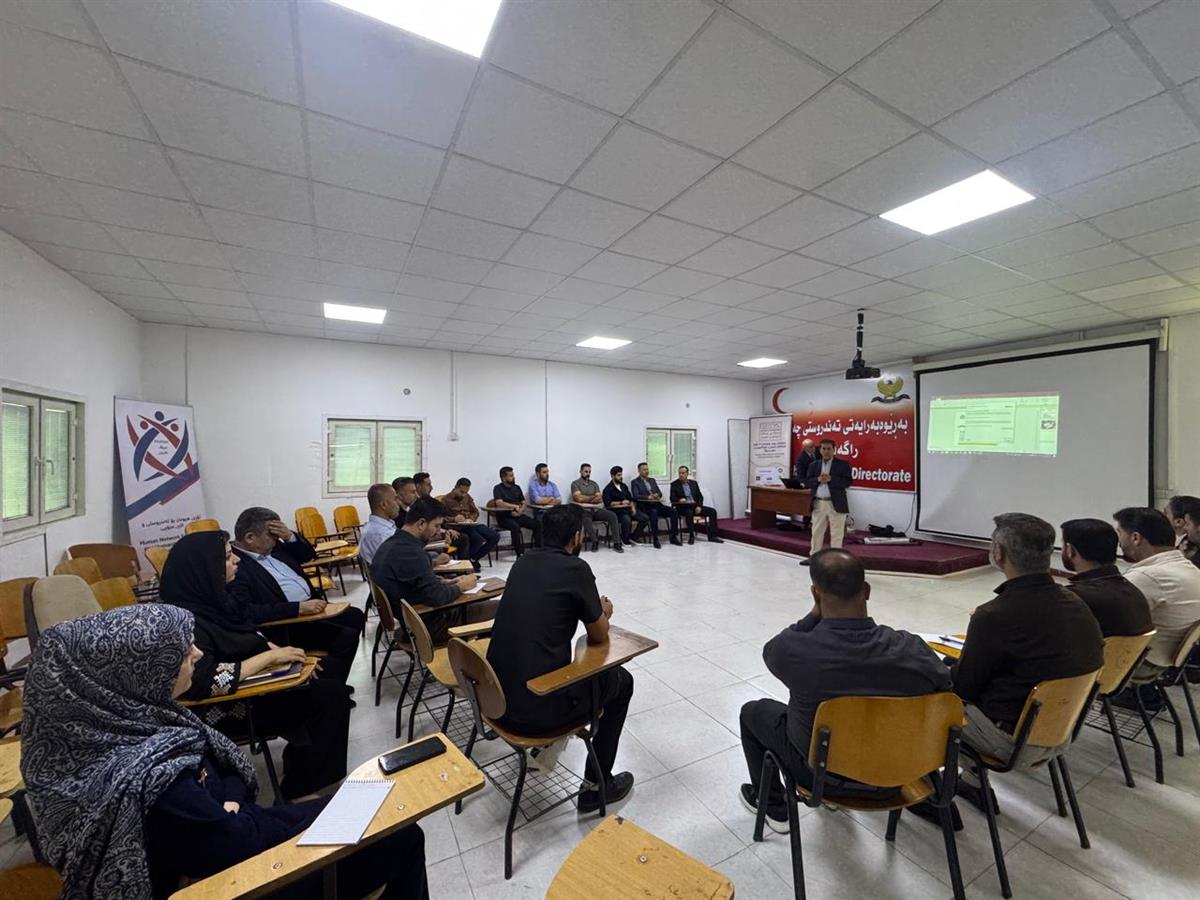
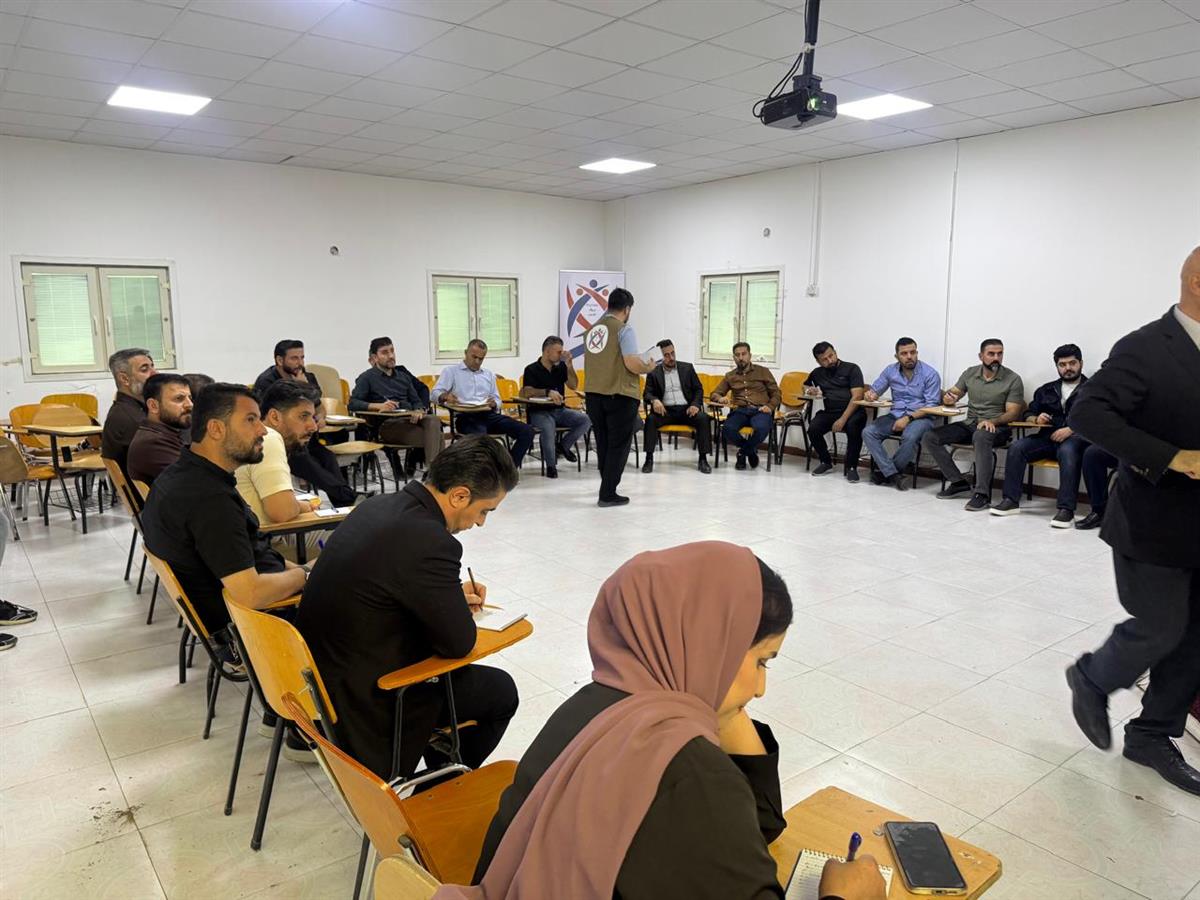
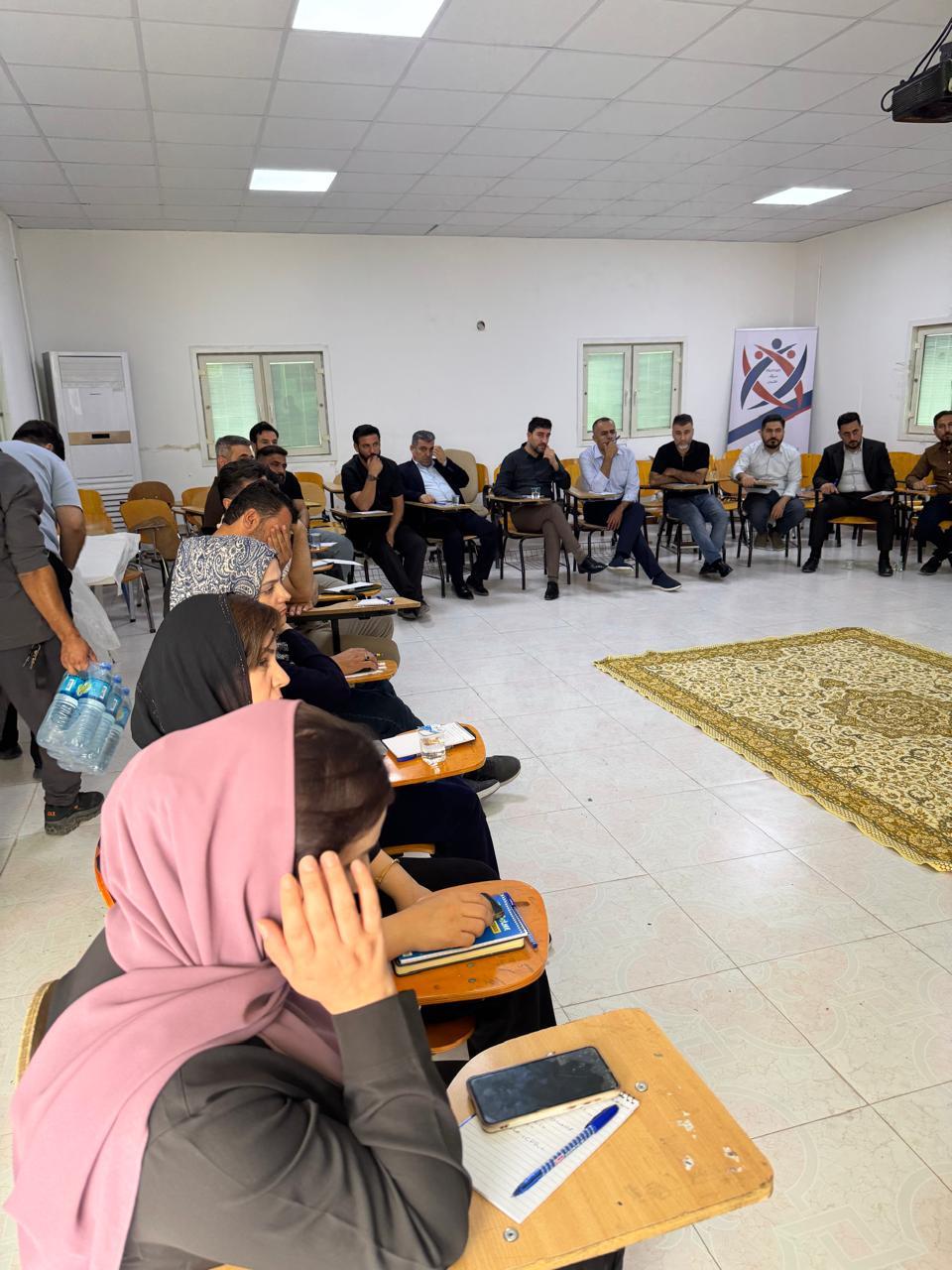
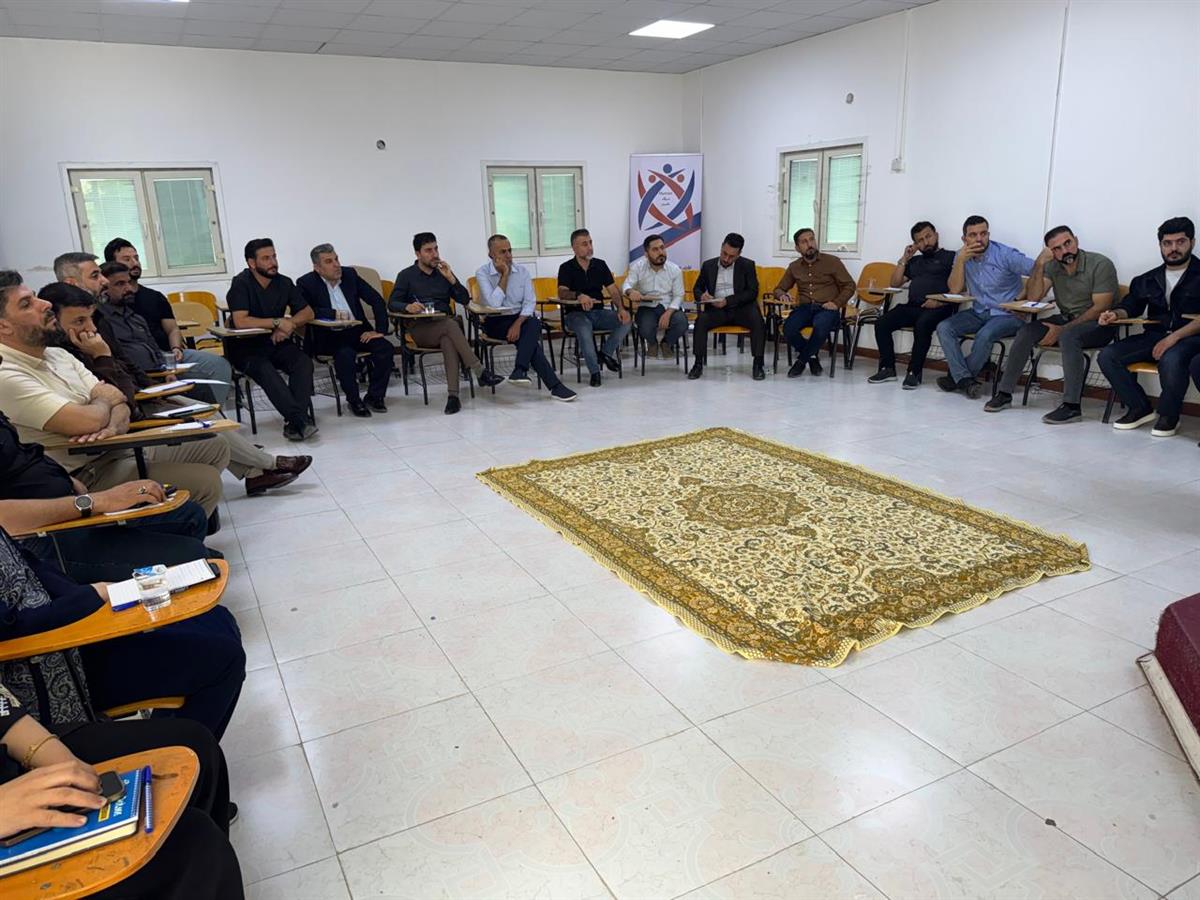
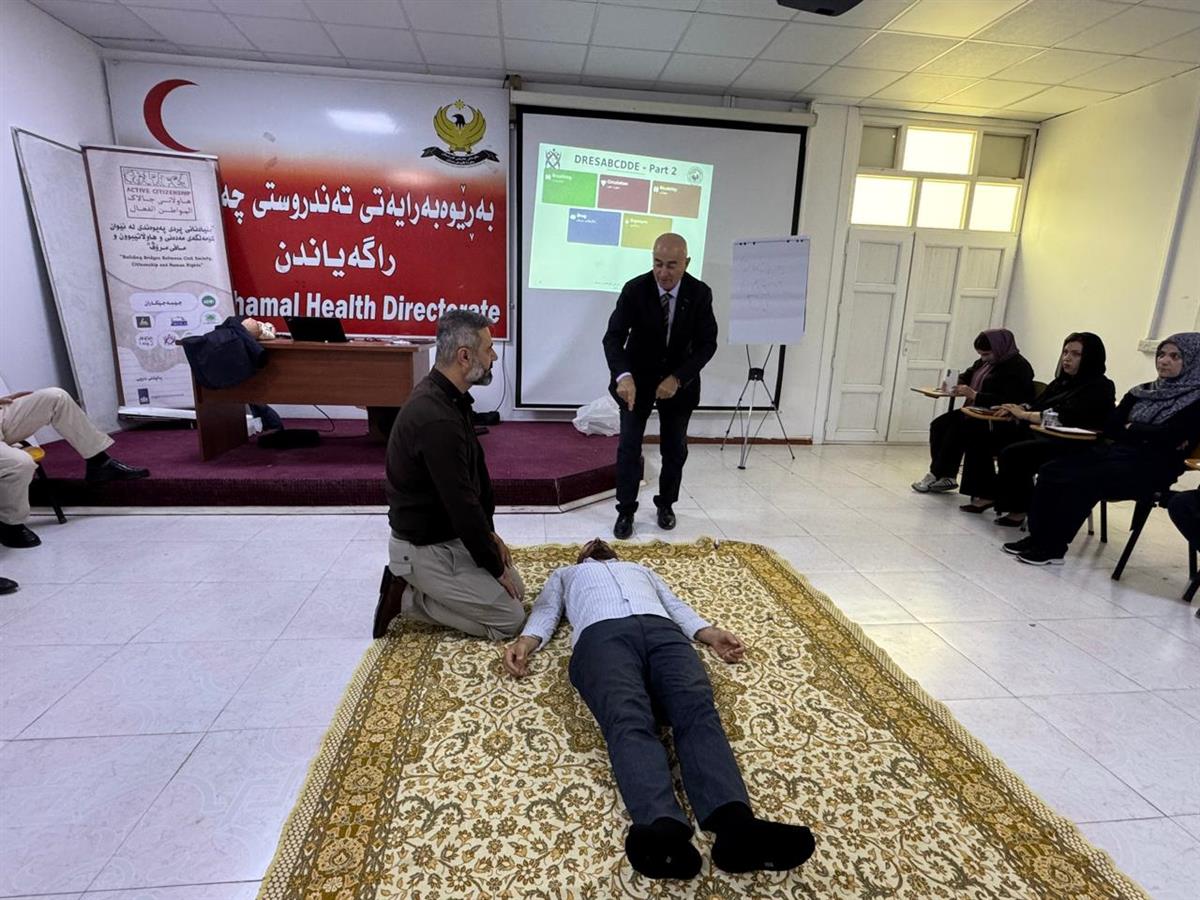
As part of its ongoing efforts to strengthen the capacities of healthcare personnel and improve emergency response services, the Human Network for Health and Humanitarian Work (HUMAN), in cooperation with the Chamchamal Health Directorate and under the patronage of the Director of Chamchamal Health Directorate, organized a specialized training course on first aid and the appropriate, rapid response to medical emergencies on 28 October 2026 in Chamchamal.
The training targeted 25 personnel working in the Emergency and Immediate Ambulance Unit and lasted one full day. It aimed to enhance participants’ skills and strengthen their ability to respond effectively to emergencies requiring urgent medical intervention, as well as to ensure the safe and timely transportation of patients and injured persons in accordance with appropriate first aid principles and procedures.
2. Objectives of the Training
The training aimed to achieve the following objectives:
1. Strengthen the knowledge and skills of personnel working in emergency and ambulance services.
2. Develop participants’ abilities to provide appropriate first aid in emergency situations.
3. Improve response times to accidents and medical emergencies requiring immediate intervention.
4. Introduce participants to the fundamental principles of safely handling and transporting patients and injured persons to healthcare facilities.
5. Enhance skills in initial patient assessment and prioritization according to the severity of each case.
6. Reduce potential risks and complications resulting from delays in providing first aid or improper patient transportation.
3. Main Training Topics
The training focused on several key topics relevant to the work of emergency and immediate ambulance service personnel, including:
* Fundamental principles of first aid and rapid intervention in emergency situations.
* Initial assessment of patients and injured persons and identification of the severity of their conditions.
* Appropriate and timely responses to cases requiring urgent medical assistance.
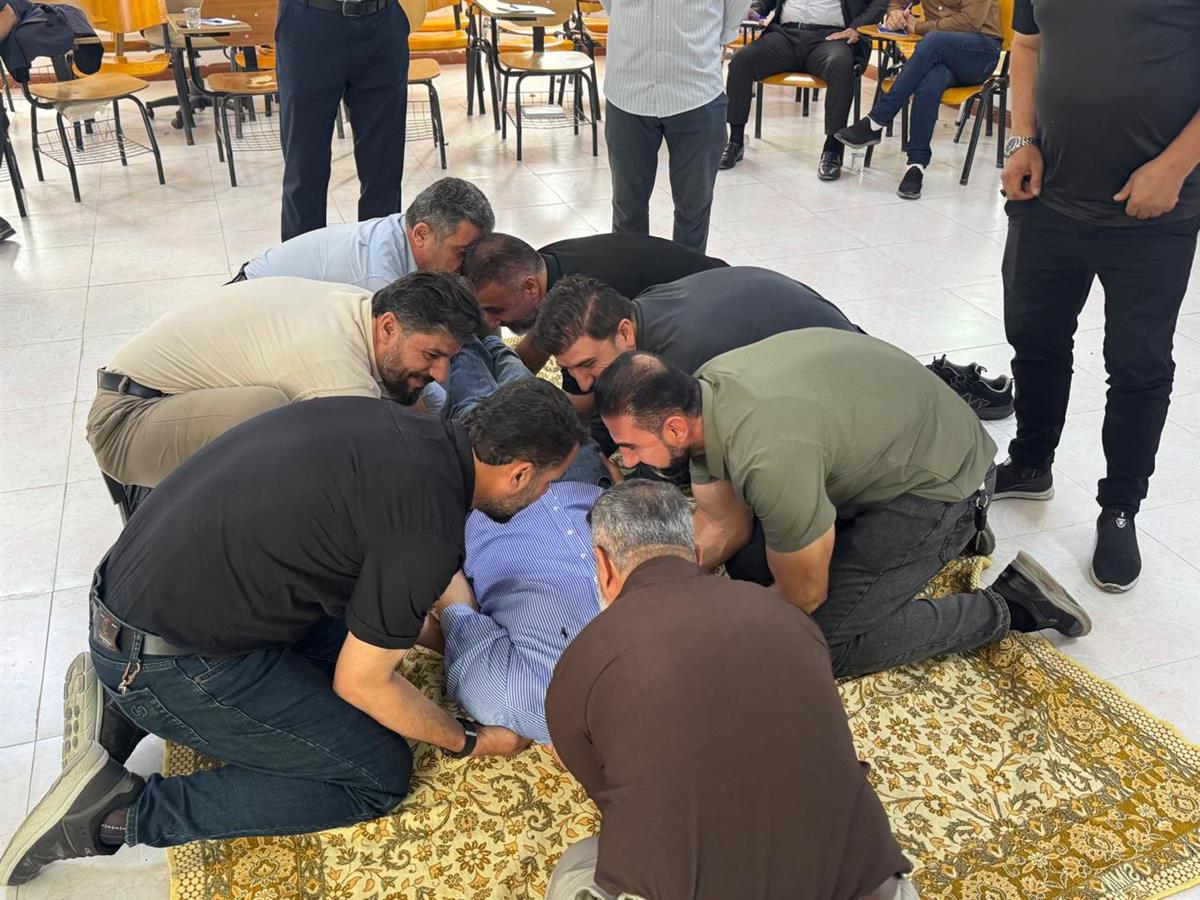
* Basic principles of handling patients and injured persons and preparing them for safe transportation.
* Appropriate methods of transporting patients and injured persons, taking into account the nature of their injuries and medical conditions.
* The importance of coordination and communication between ambulance teams and receiving healthcare facilities.
* Strengthening teamwork and appropriate decision-making in critical situations.
4. Importance of the Activity
This training was particularly important given the vital role played by emergency and ambulance personnel in saving lives and reducing health complications resulting from accidents and sudden medical emergencies.
Continuous professional training helps improve staff competencies, strengthen their preparedness to handle critical cases, and enhance the quality of emergency medical services provided to the public. This is especially important during the first few minutes of an emergency, which can be decisive in saving the life of a patient or injured person.
5. Expected Outcomes
The training is expected to contribute to the following outcomes:
1. Improved knowledge and essential skills among participants in first aid and rapid emergency response.
2. Enhanced capacity of emergency and ambulance personnel to manage emergency cases efficiently and effectively.
3. Greater awareness of the importance of safe and appropriate patient transportation.
4. Improved coordination between ambulance teams and healthcare institutions when responding to urgent cases.
5. Support for the Chamchamal Health Directorate’s efforts to develop staff capacities and improve the quality of emergency and ambulance services.
6. Conclusion
Through the implementation of this training course, HUMAN, in cooperation with the Chamchamal Health Directorate and under the patronage of the Director of Health, reaffirms its ongoing commitment to supporting the healthcare sector and strengthening the capacities of healthcare personnel through training, capacity building, and the development of emergency response skills.
HUMAN also emphasizes the importance of continued cooperation and coordination with healthcare institutions to deliver high-quality training programmes that improve staff competencies, enhance the quality of healthcare and emergency services, and contribute to protecting the lives and safety of citizens.
Together for Better Healthcare and Faster Emergency Response to Save Lives.