School Health Awareness Campaign for the 2026–2027 Academic Year
2026-10-24
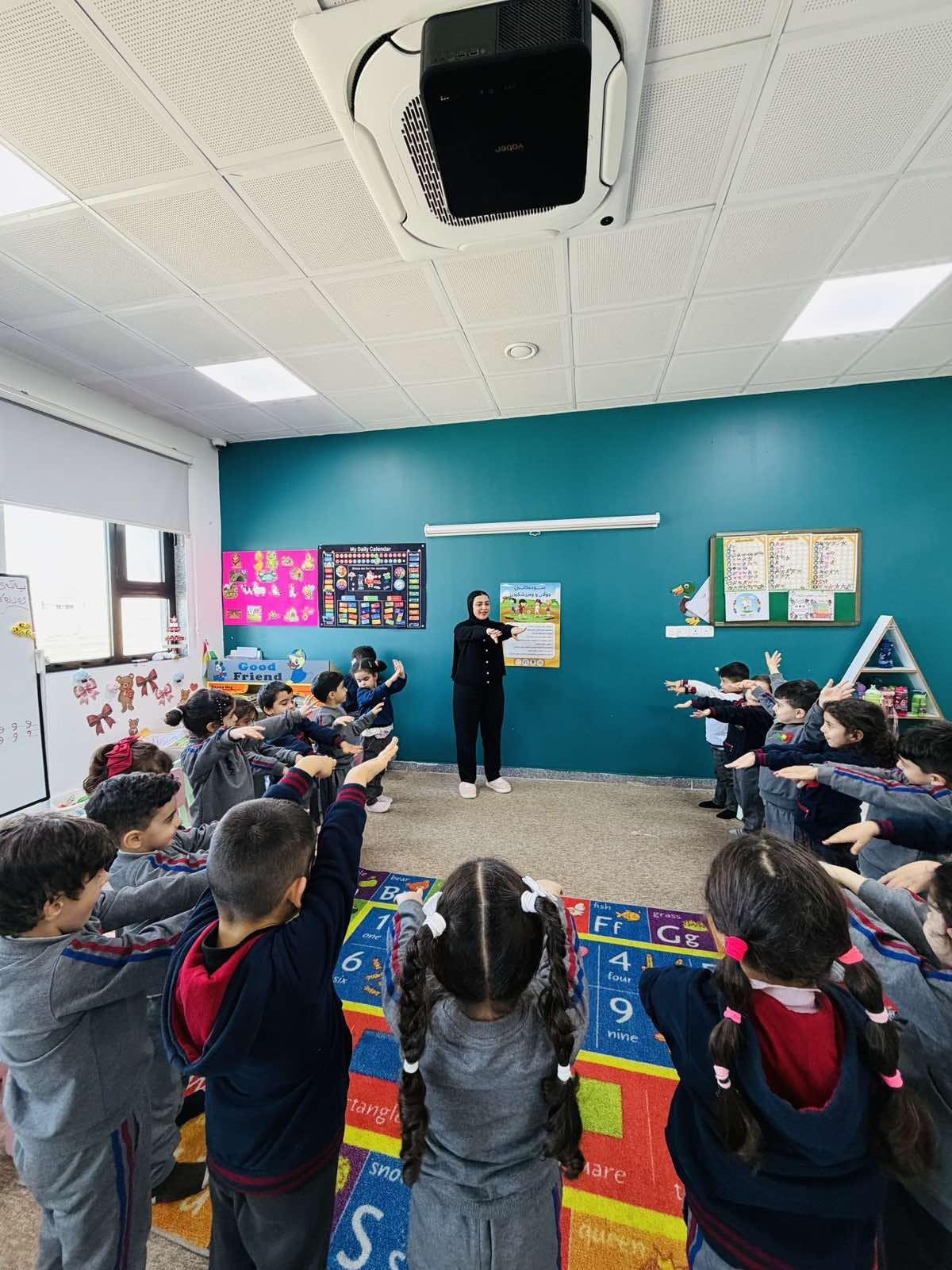
School Health Awareness Campaign for the 2026–2027 Academic Year
Implementing Organization: Human Network for Health and Humanitarian Work (HUMAN)
Partner Institutions: Directorate of Health Prevention and Sulaymaniyah Directorate of Education
Implementation Period: Early October 2026
Location: More than 20 schools in Sulaymaniyah Governorate, Kurdistan Region of Iraq
Estimated Number of Beneficiaries: Approximately 5,000 students
Number of Awareness Posters: 200
Activity Title: Promoting Health and Environmental Awareness in Schools through Educational Posters on Dental Health, General Hygiene, and Smoking Prevention
1. Background
As part of its ongoing efforts to promote public health and strengthen preventive health awareness among community members, the Human Network for Health and Humanitarian Work (HUMAN) implemented a school-based health awareness activity in early October 2026, coinciding with the beginning of the 2026–2027 academic year. The activity was carried out in cooperation with the Directorate of Health Prevention and the Sulaymaniyah Directorate of Education.
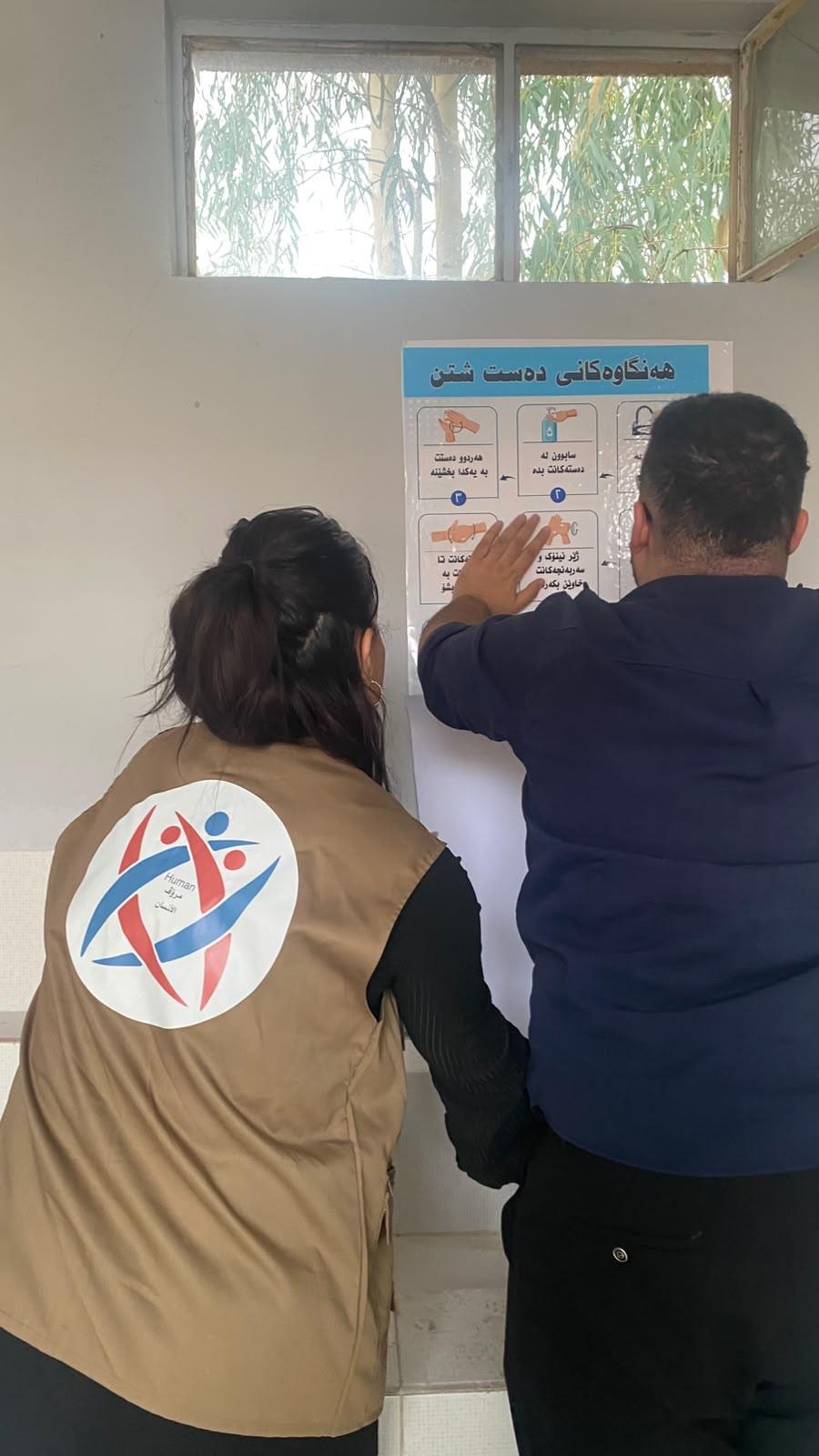
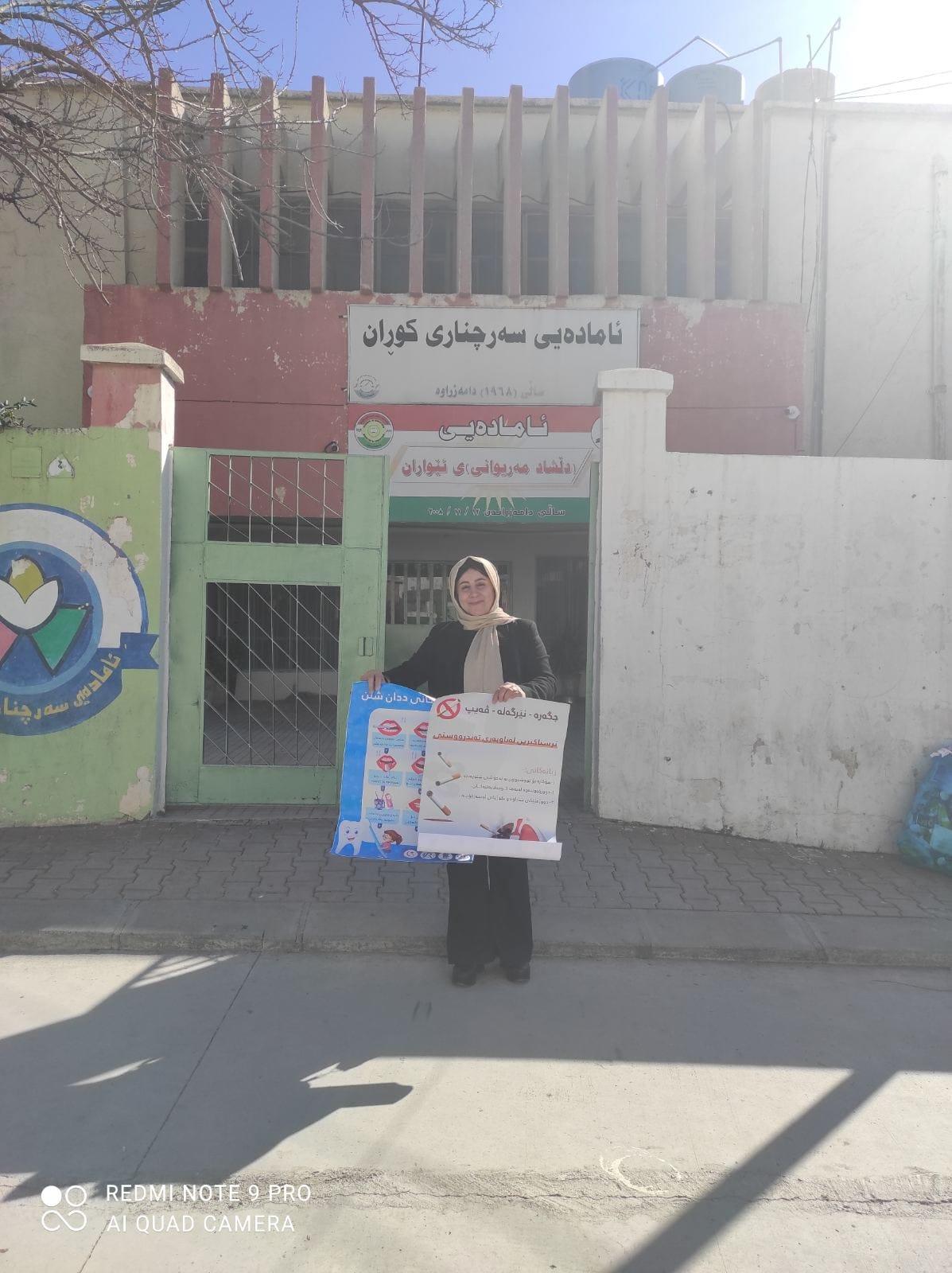
The initiative involved distributing and displaying 200 health awareness posters across more than 20 schools in Sulaymaniyah Governorate. It aimed to strengthen students’ health and environmental awareness, encourage healthy lifestyle practices, promote a clean school environment, prevent disease, and increase understanding of the health risks associated with smoking.
The activity reached an estimated 5,000 students, contributing to efforts to make schools healthier and more supportive learning environments while fostering a culture of prevention, hygiene, and individual and collective responsibility among younger generations.
2. Objectives
The activity aimed to achieve the following objectives:
Enhance students’ health awareness at the beginning of the new academic year.
Raise awareness of oral and dental health and promote proper dental care practices.
Encourage students to maintain clean schools and protect their surrounding environment.
Increase awareness of the dangers of smoking and its harmful effects on individuals and society.
Promote personal and public hygiene as essential measures for disease prevention.
Strengthen cooperation between civil society organizations and health and education institutions to advance health awareness in schools.
3. Activities Implemented
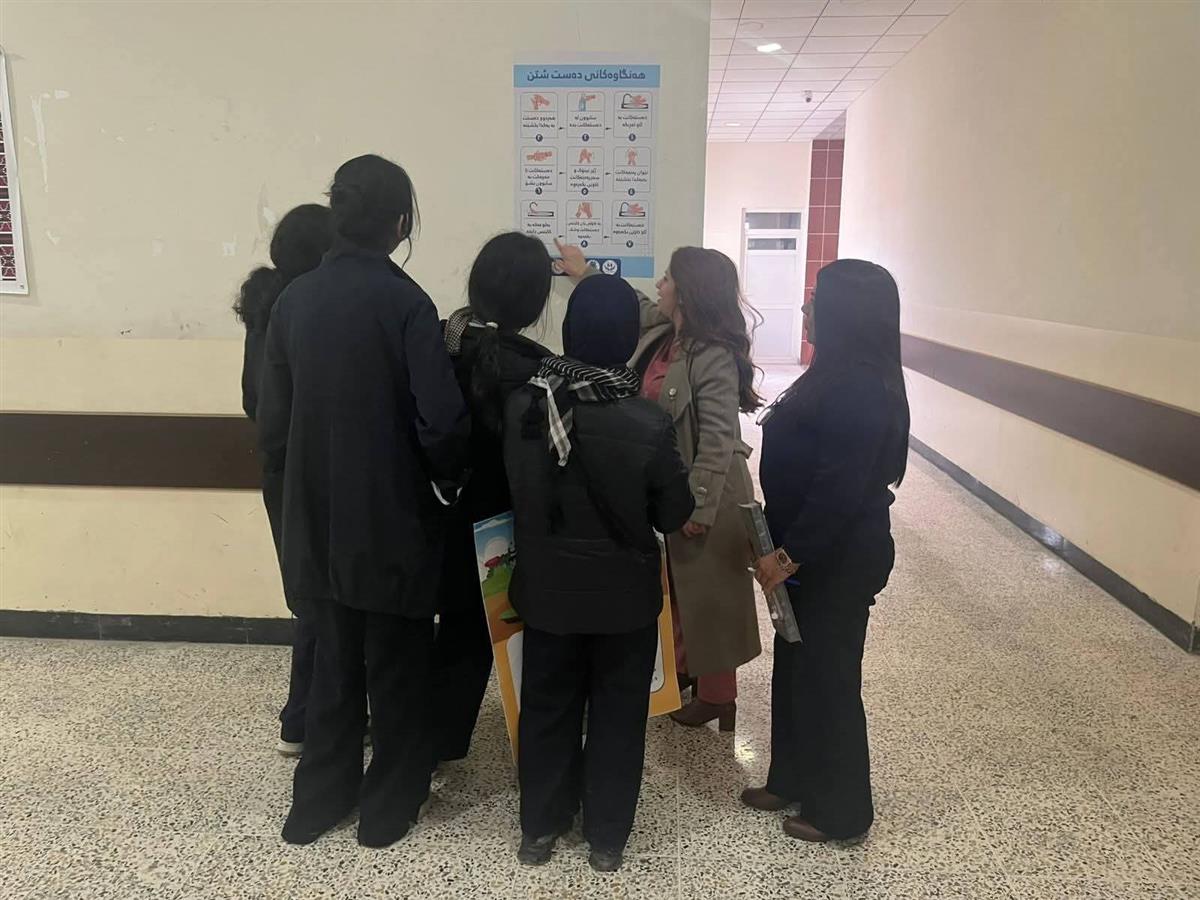
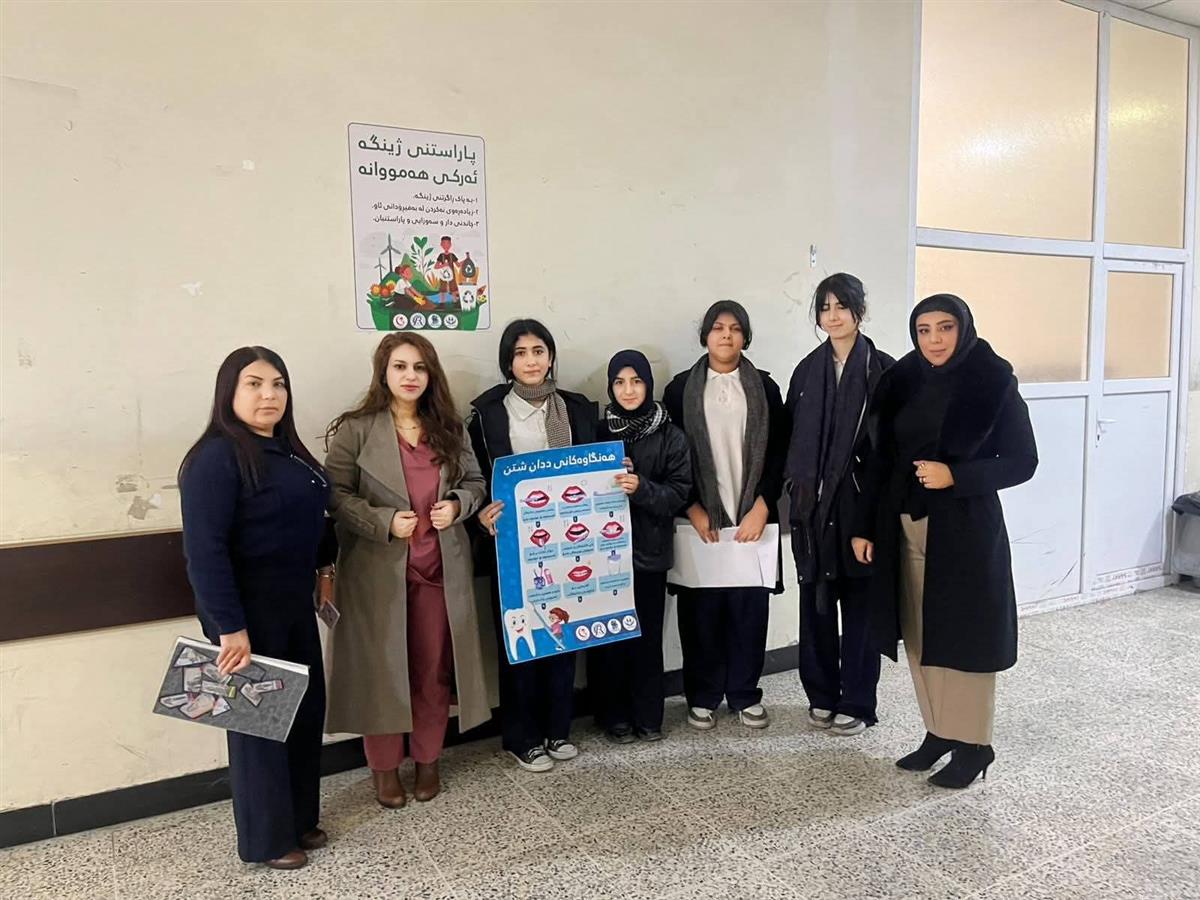
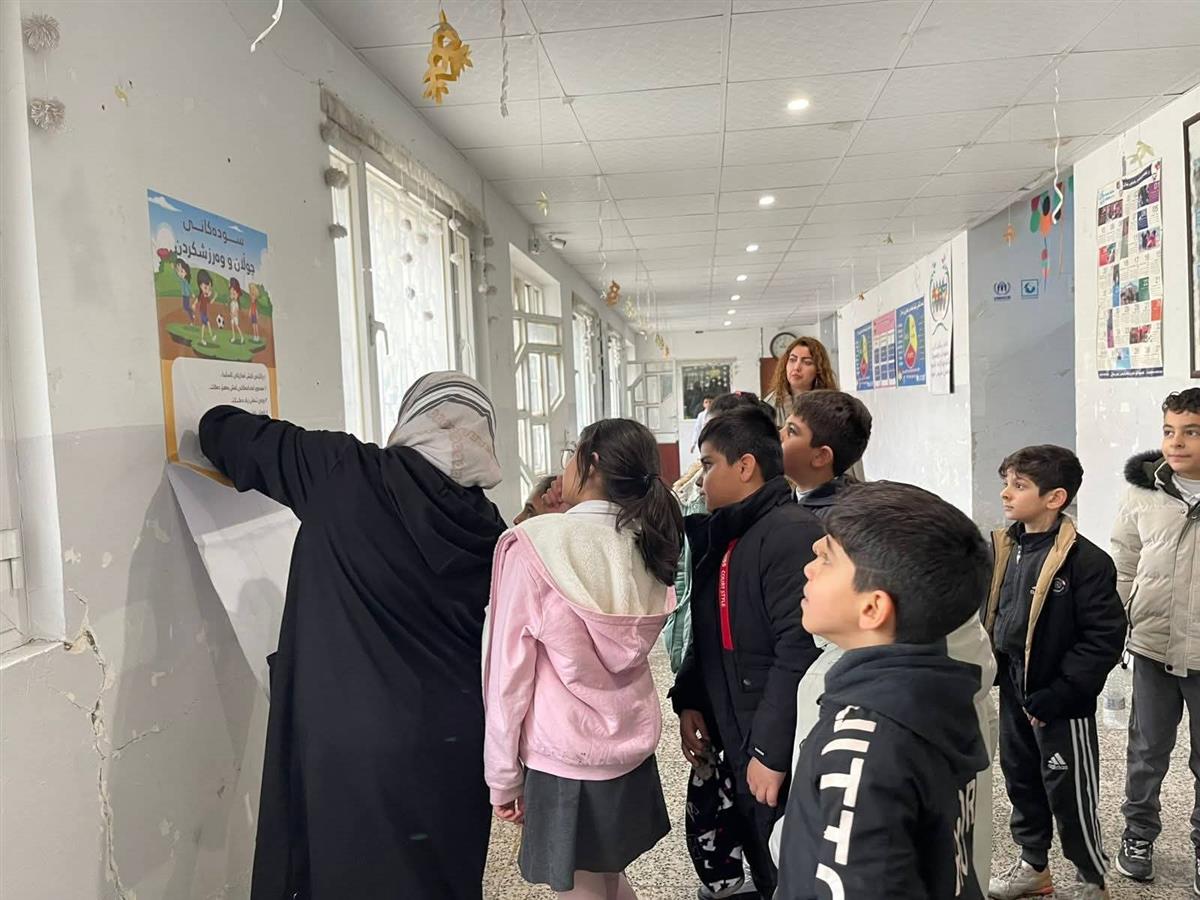
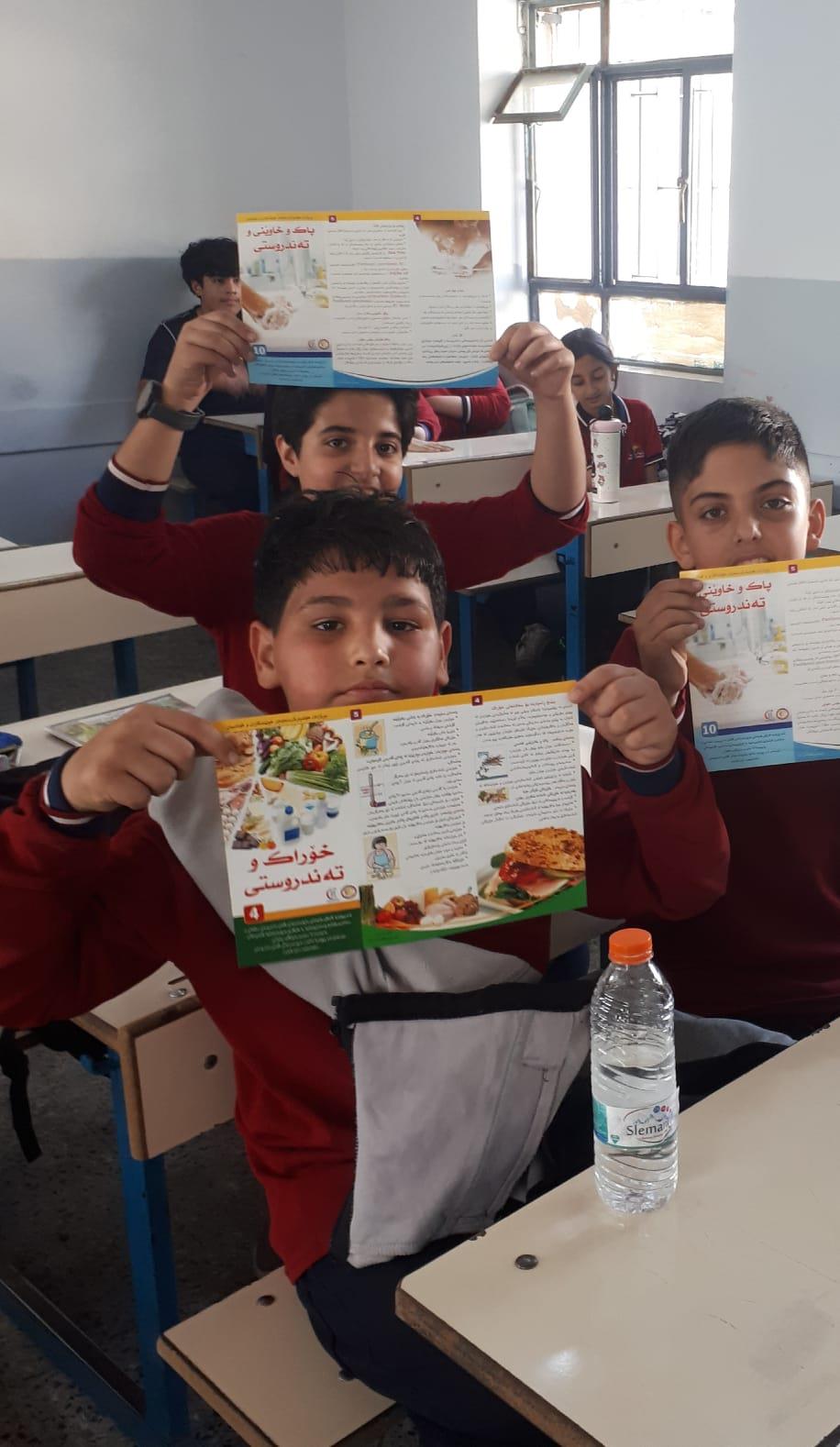
The activity was implemented through the distribution and display of 200 awareness posters in more than 20 schools across Sulaymaniyah Governorate. The posters covered four main thematic areas:
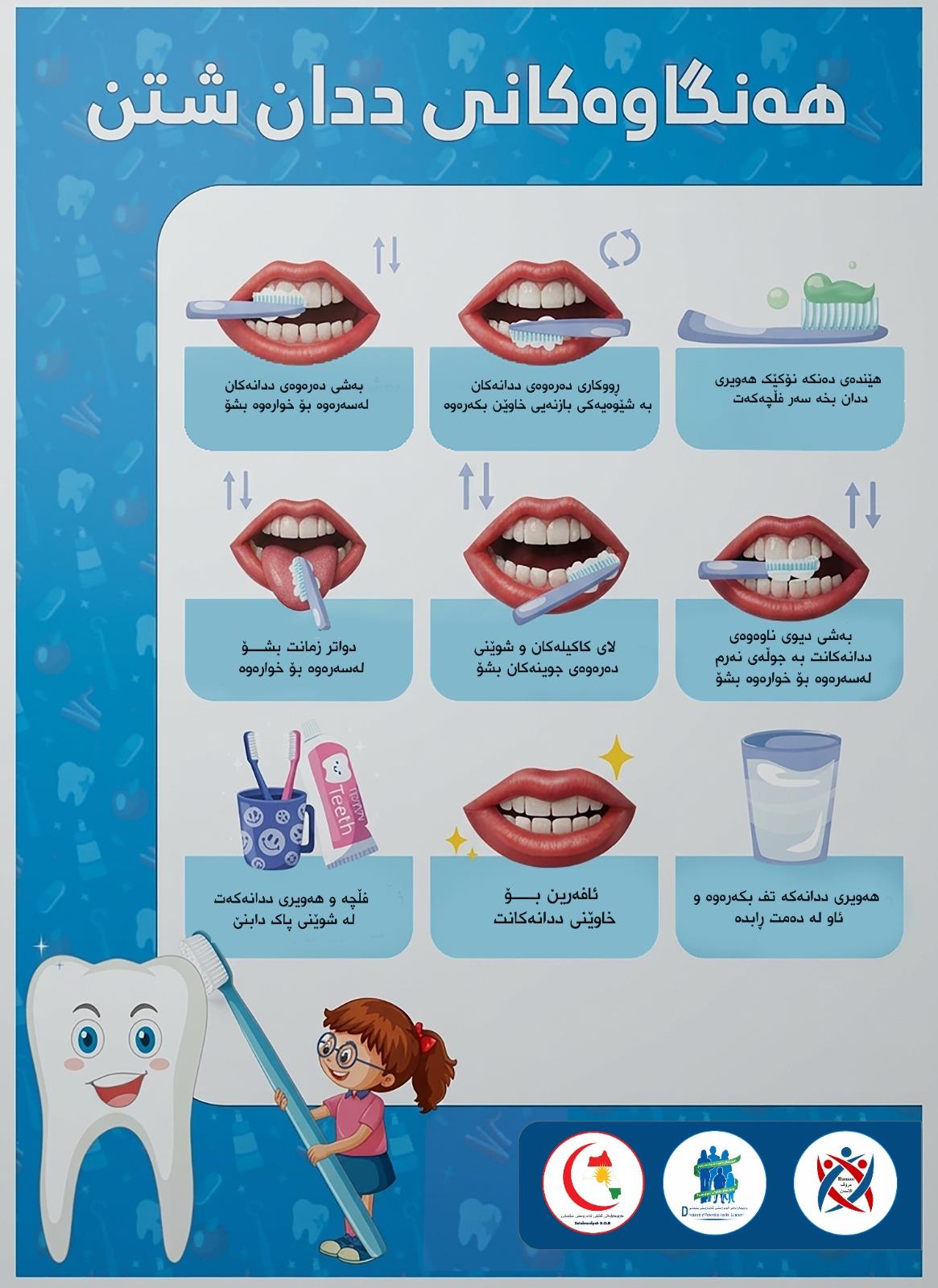
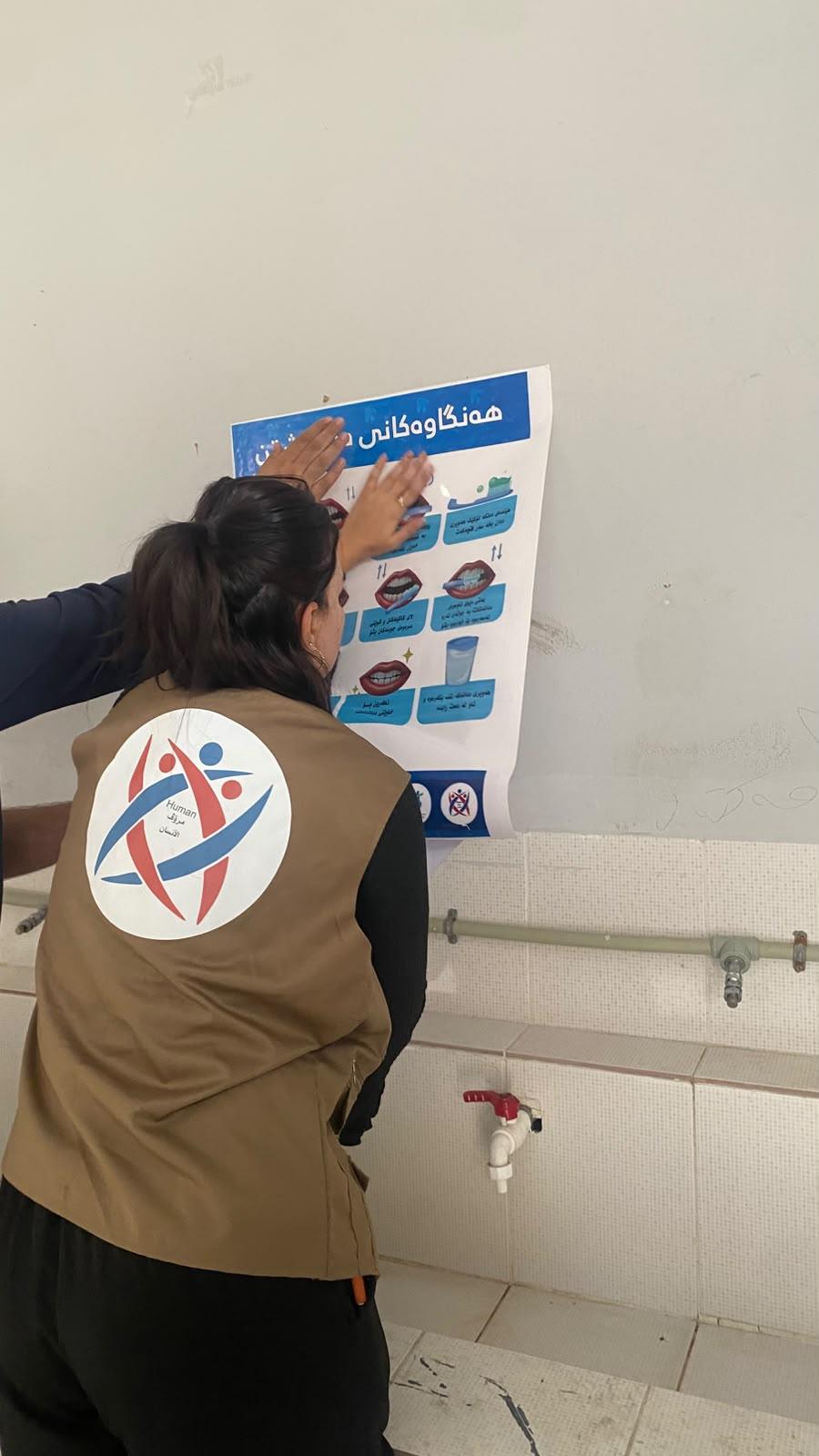
3.1. Oral and Dental Health
The posters highlighted the importance of regular toothbrushing, maintaining good oral hygiene, preventing tooth decay and gum disease, and adopting healthy daily dental care practices.
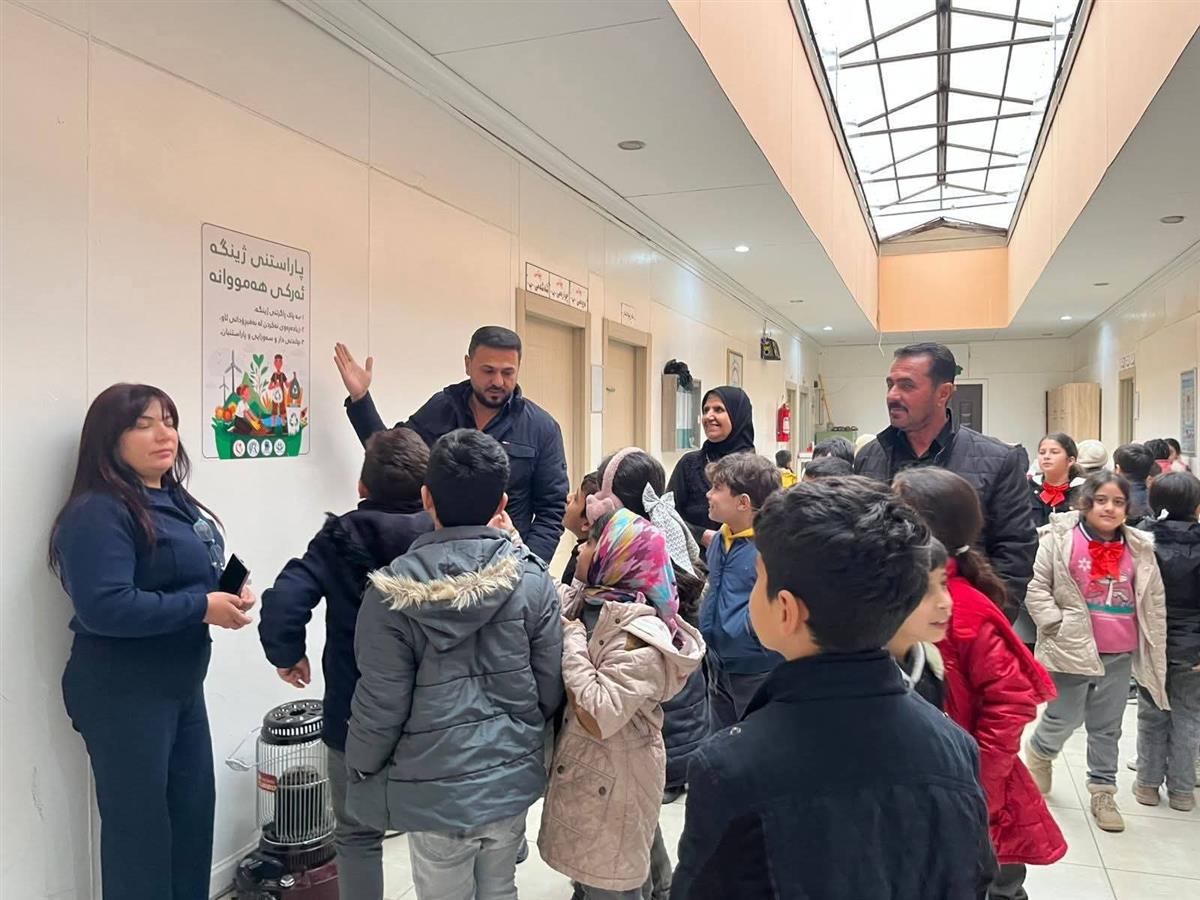
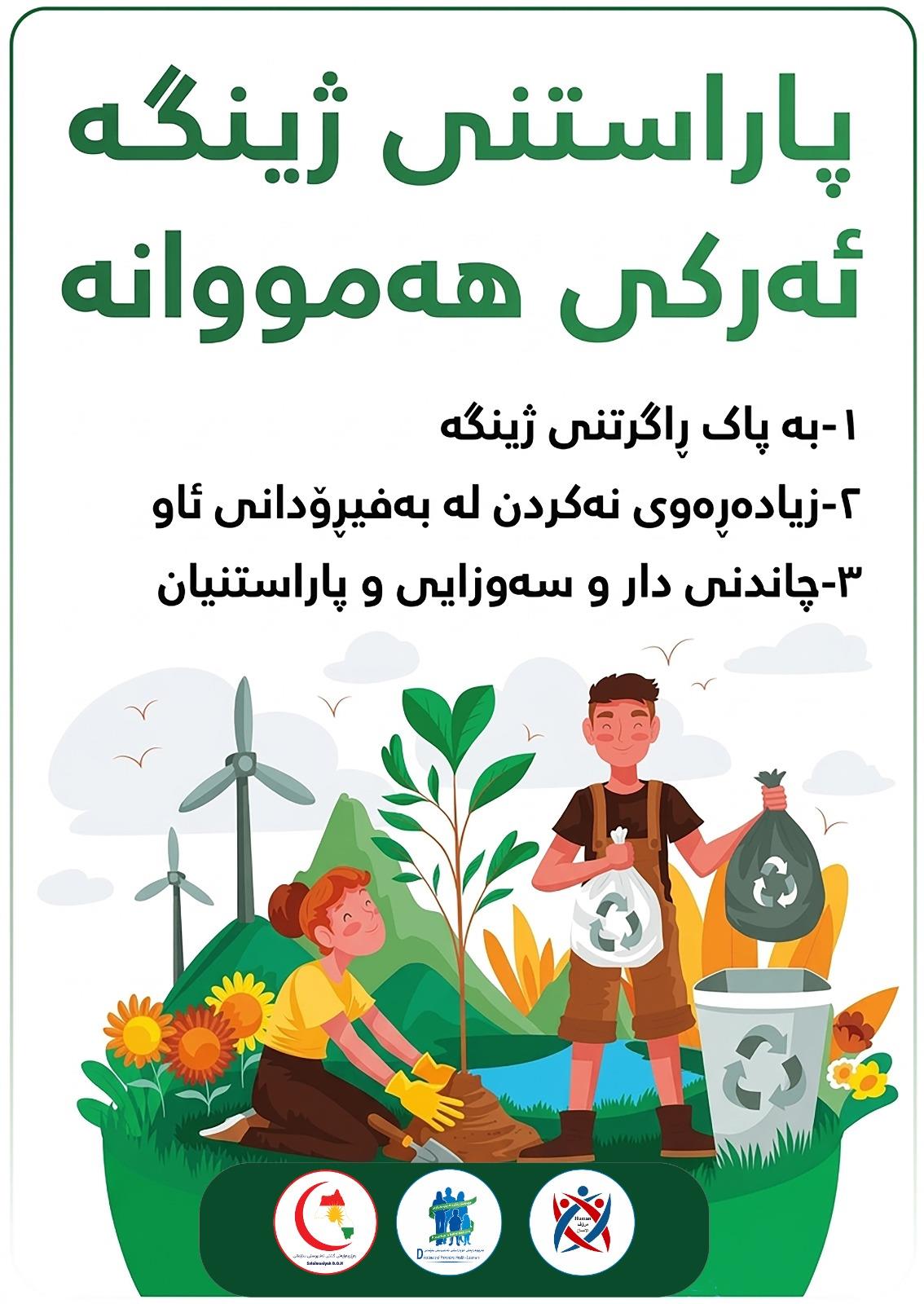
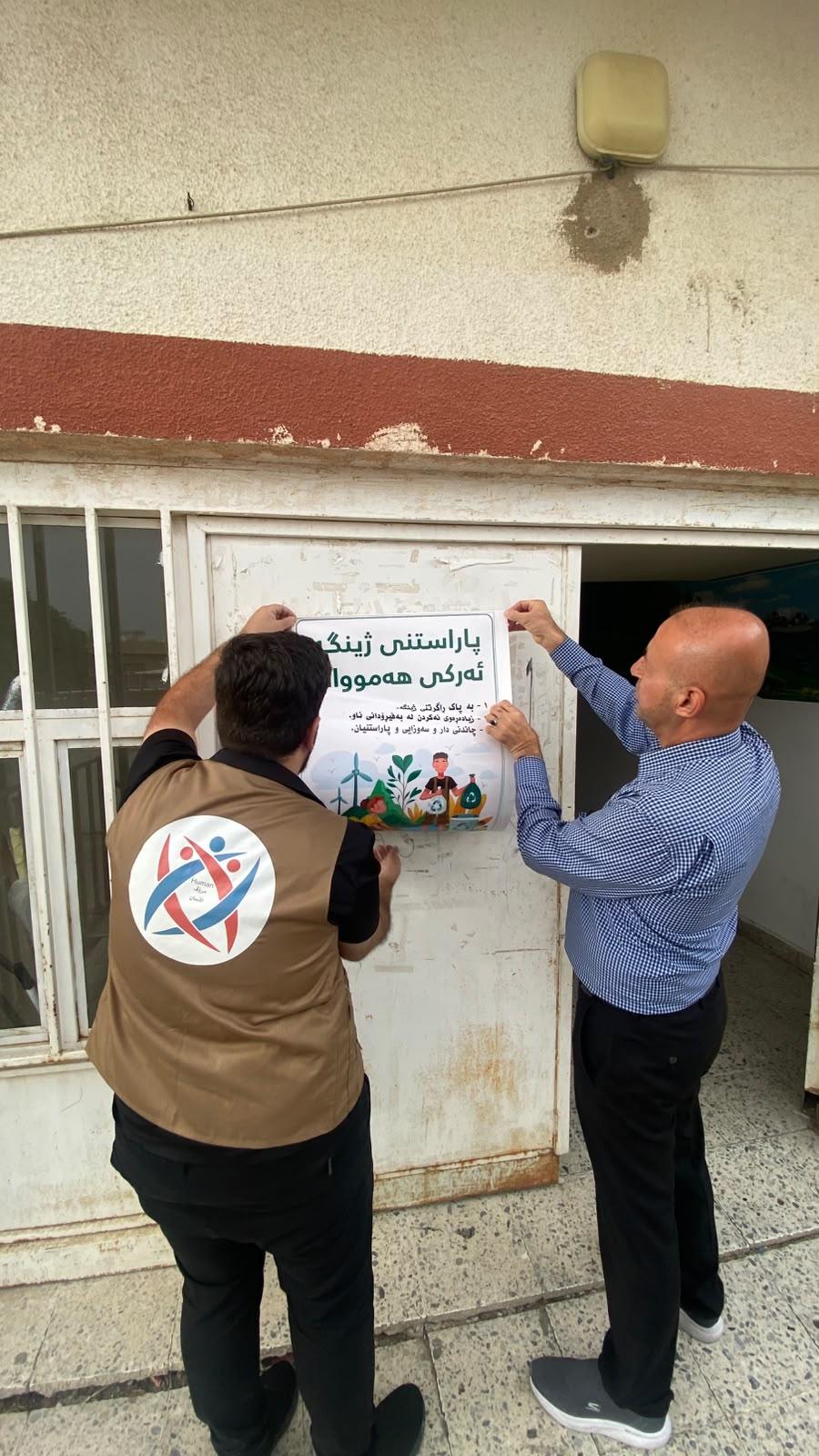
3.2. Maintaining a Clean and Healthy Environment
Awareness messages emphasized the importance of keeping classrooms, schoolyards, and public facilities clean, disposing of waste properly, and encouraging students to take an active role in protecting their school environment from pollution.
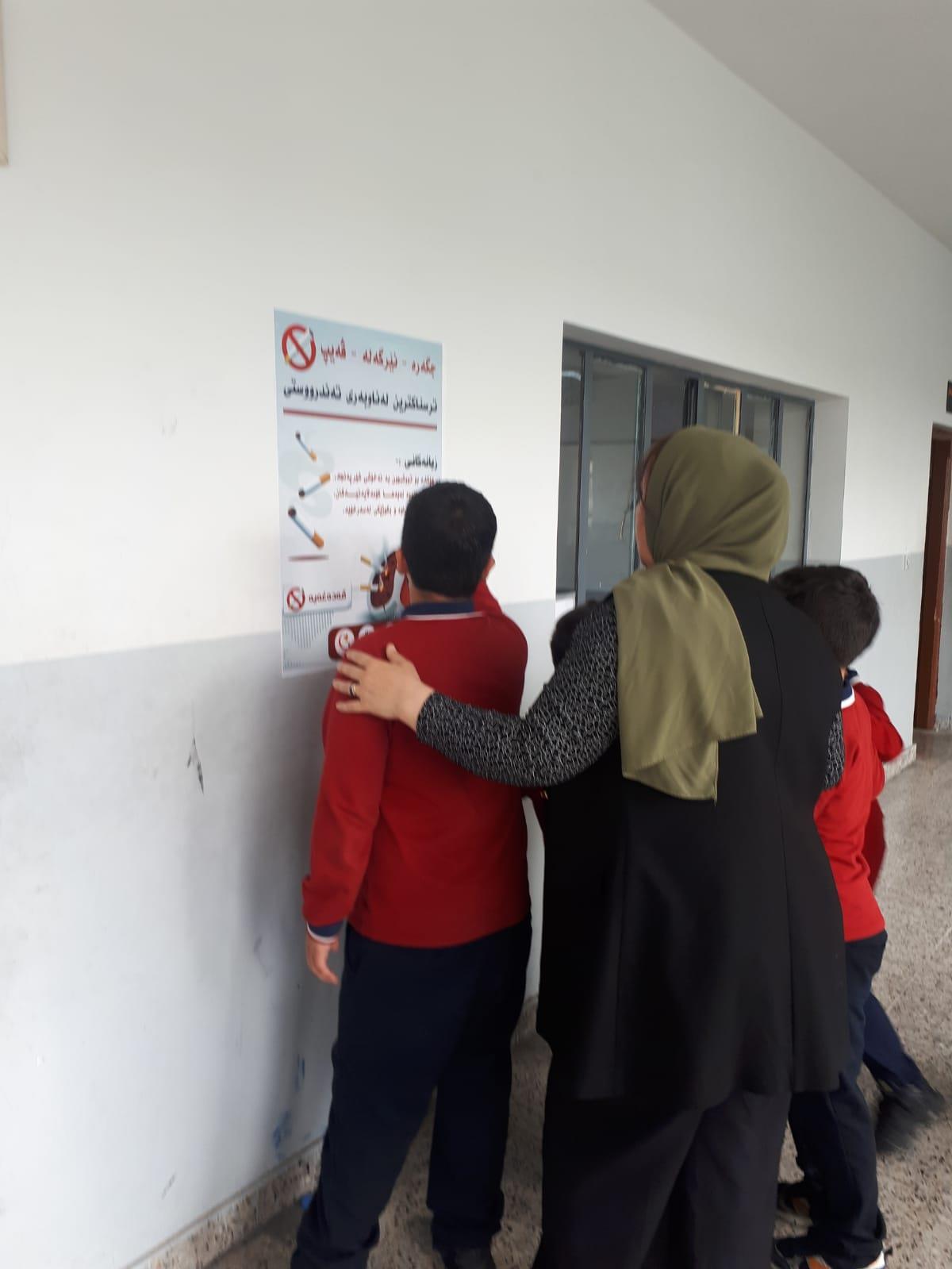
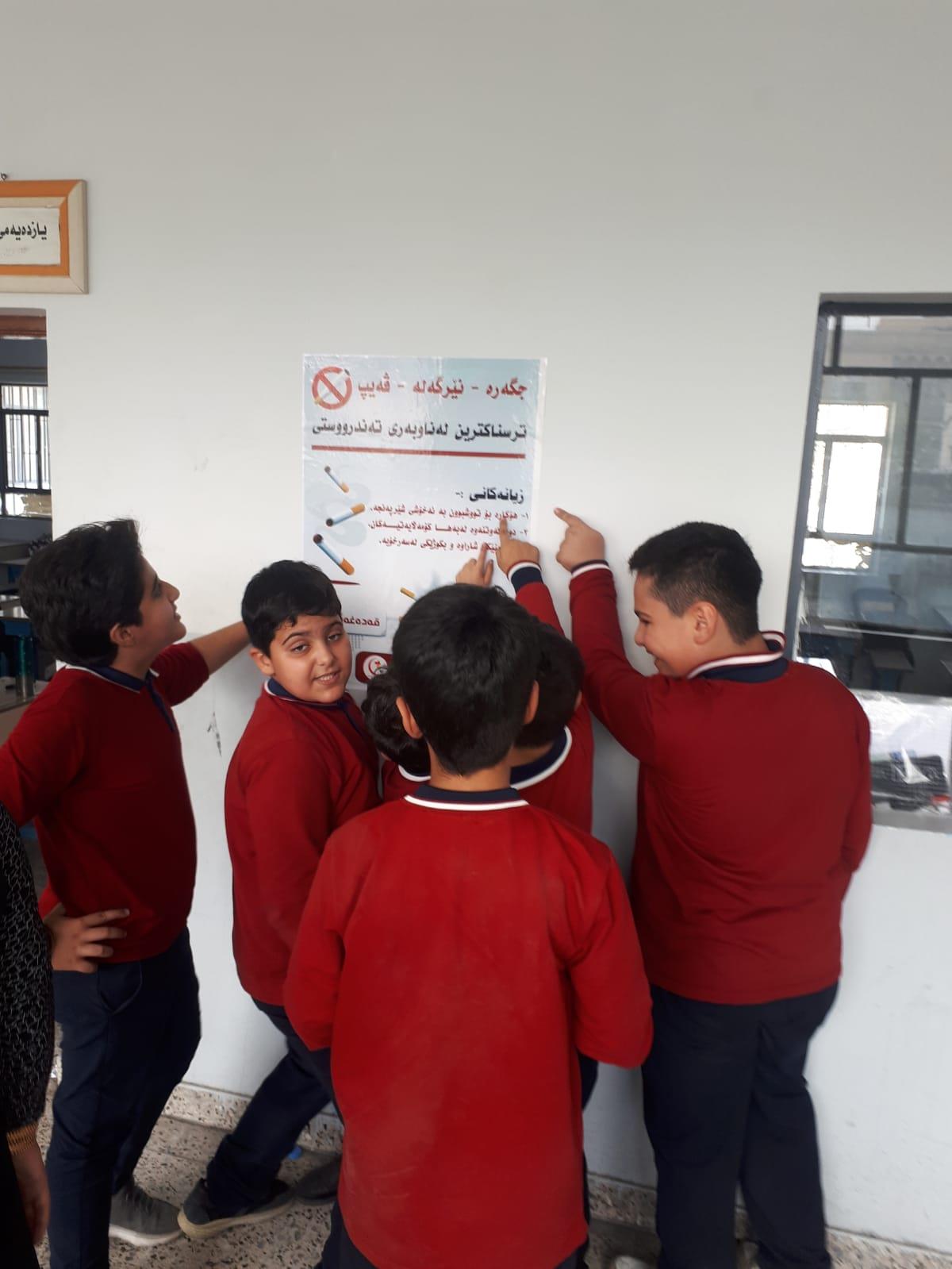
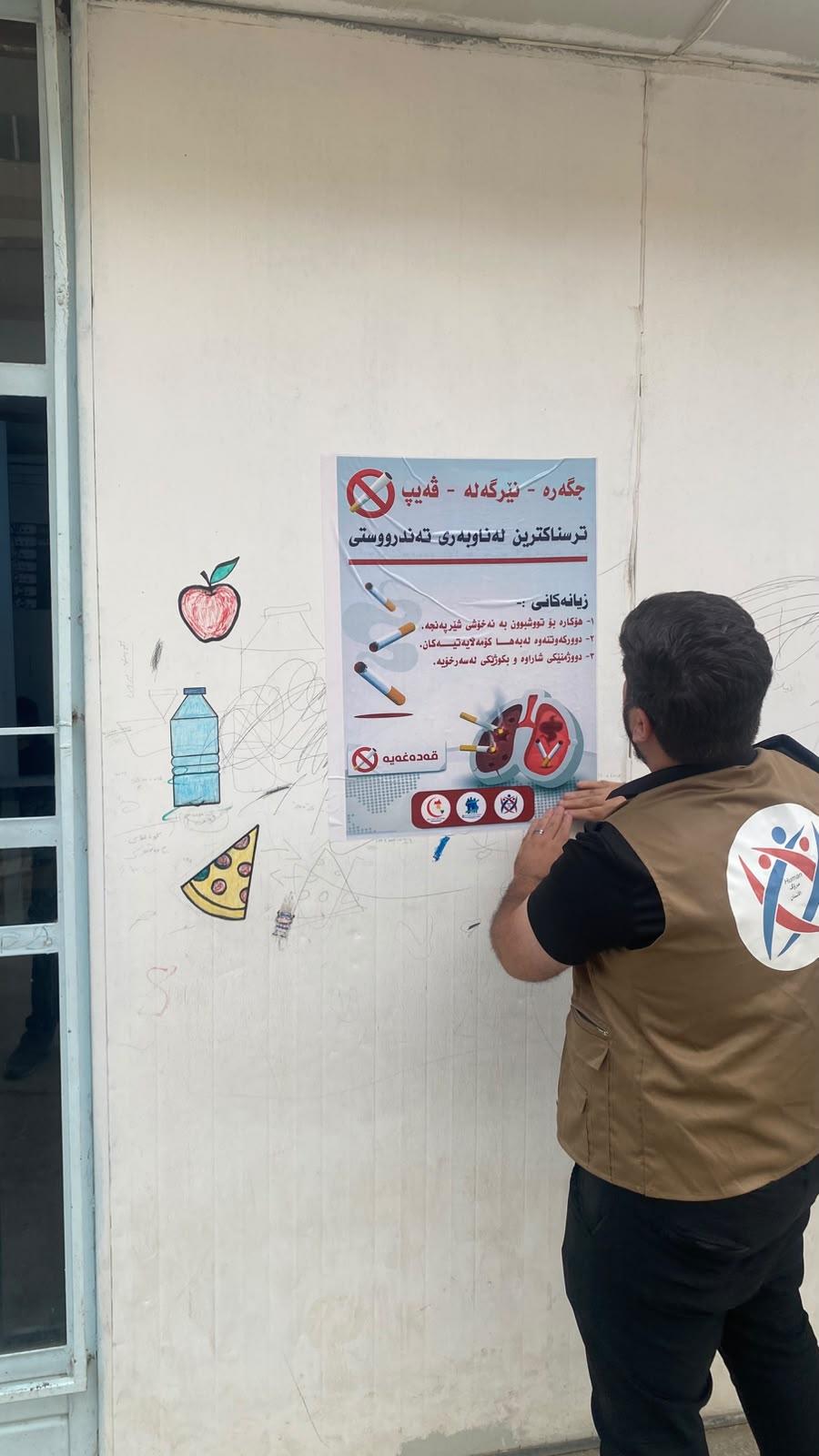
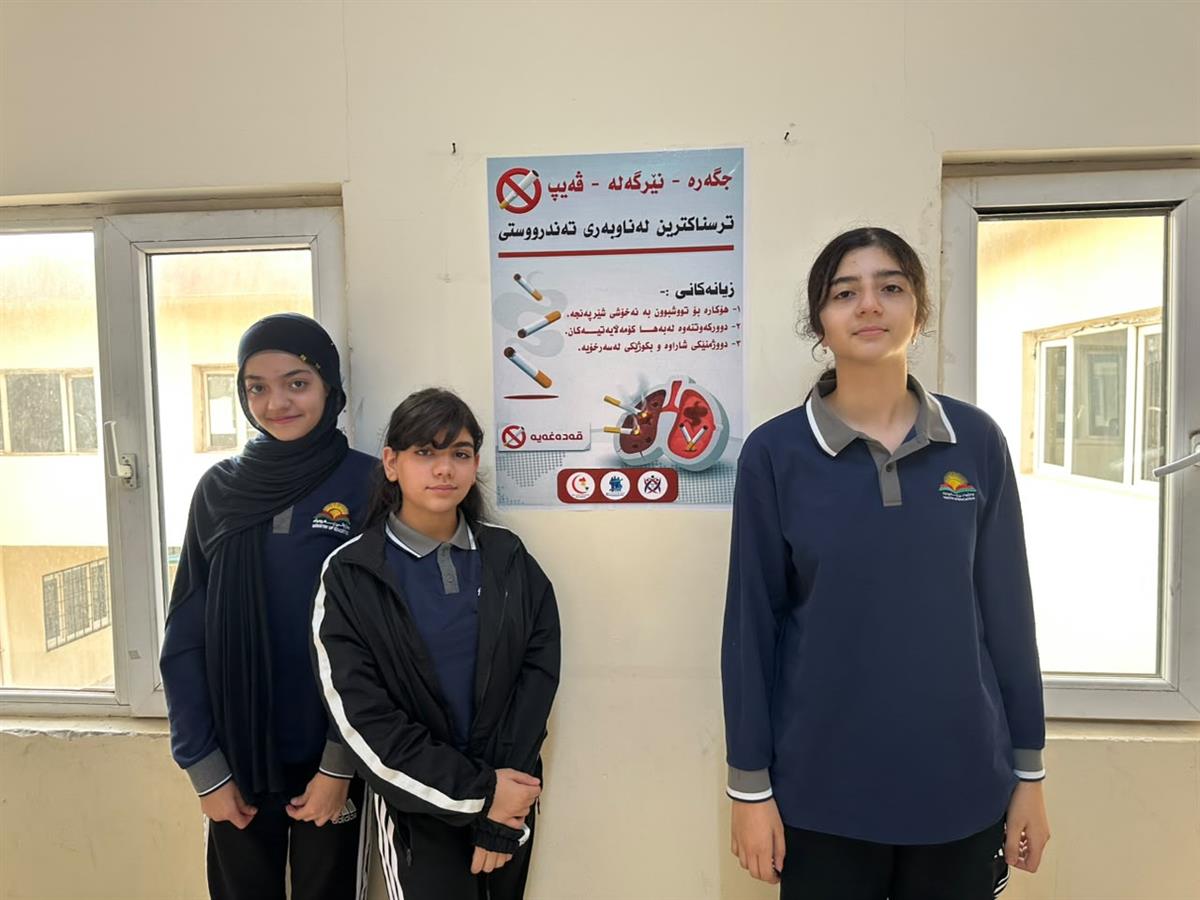
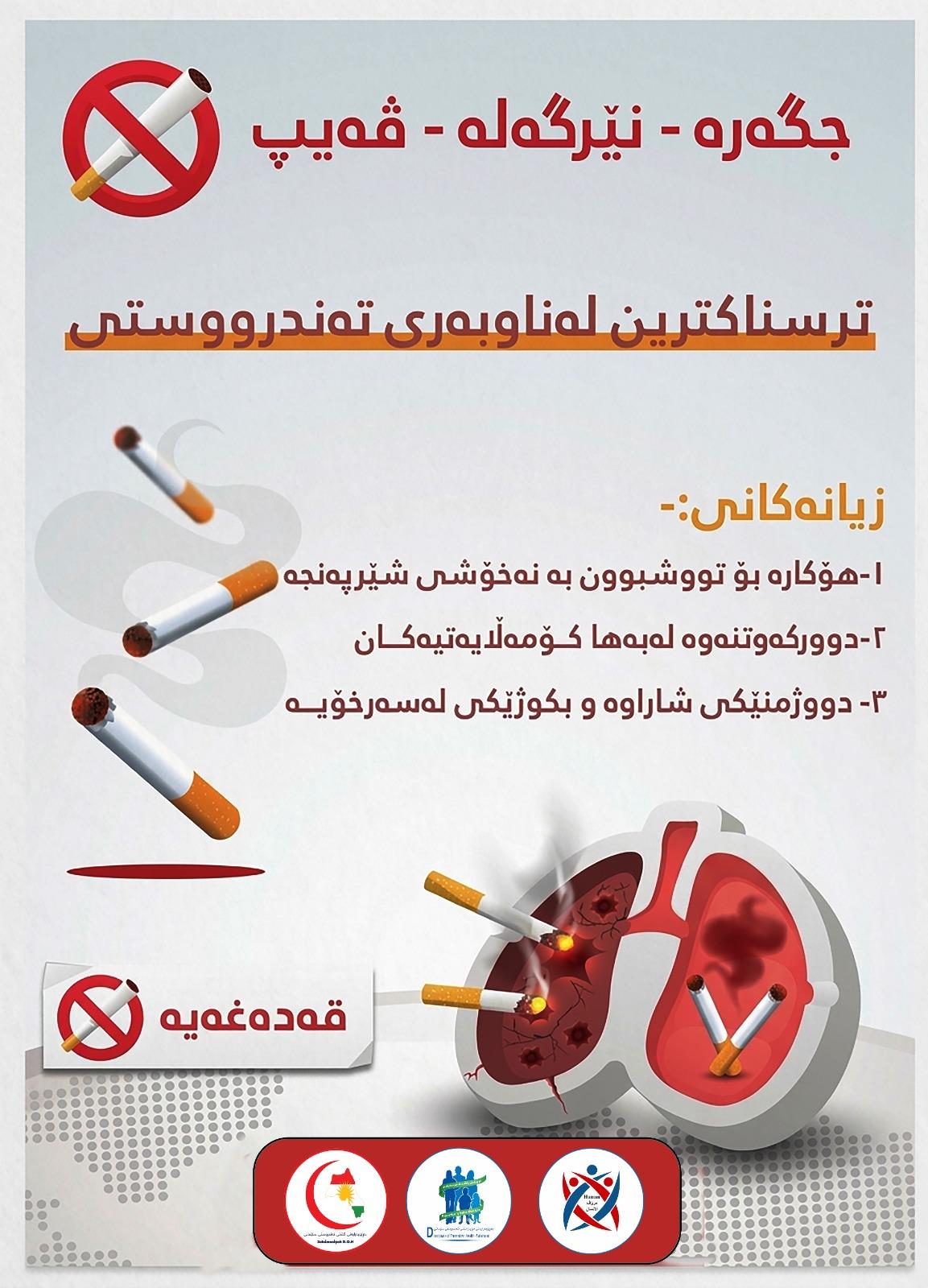
3.3. Smoking Prevention
The posters provided information about the health risks of smoking and second-hand smoke, highlighting their harmful effects on human health and encouraging students to avoid smoking and adopt healthier lifestyles.
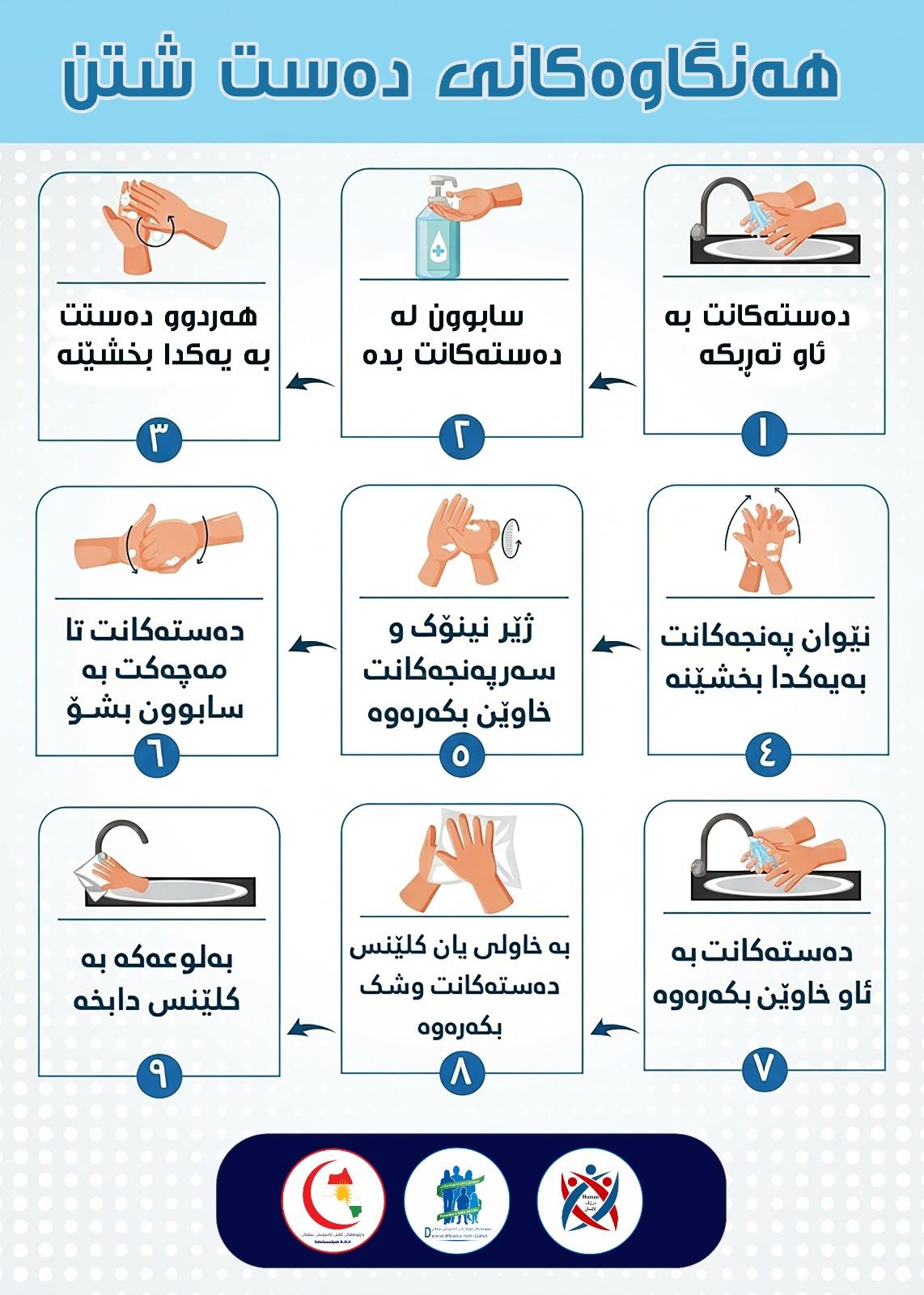
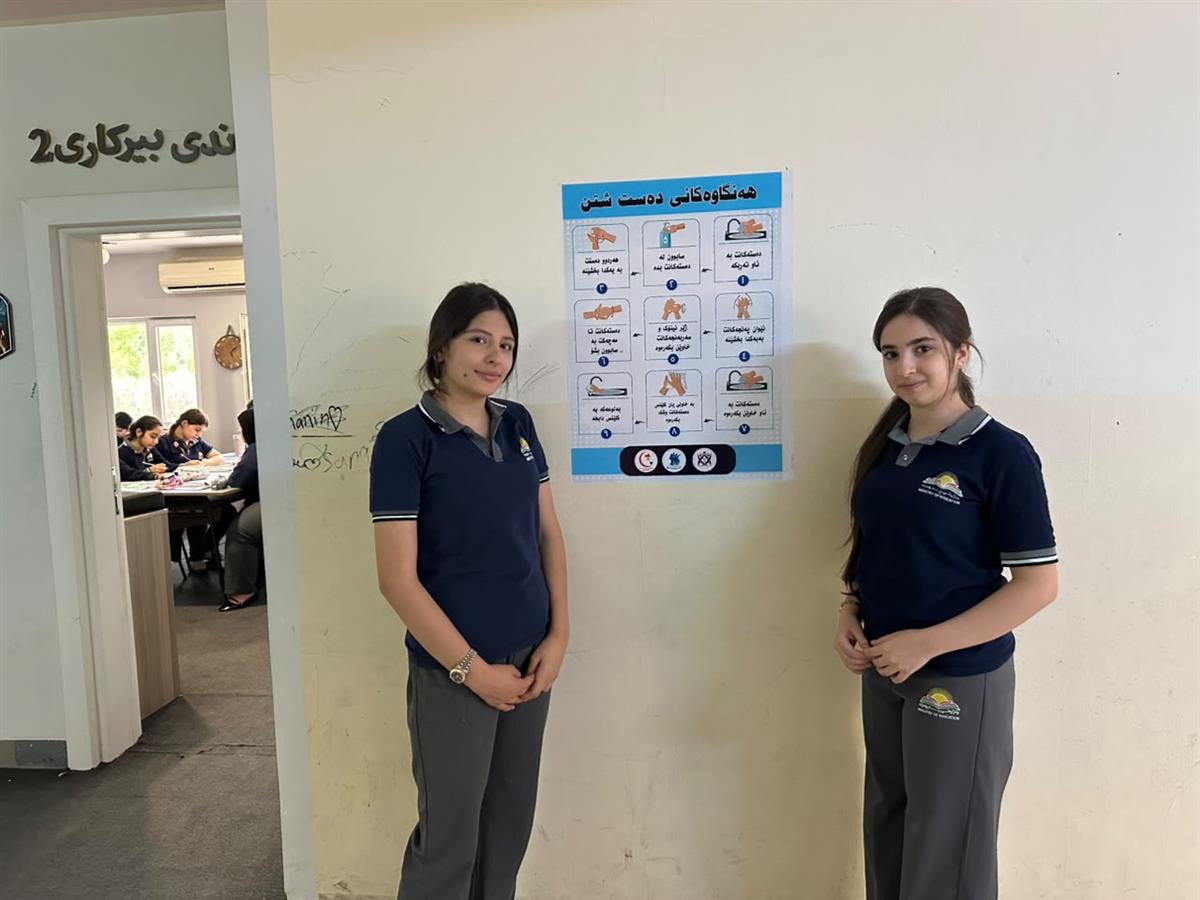
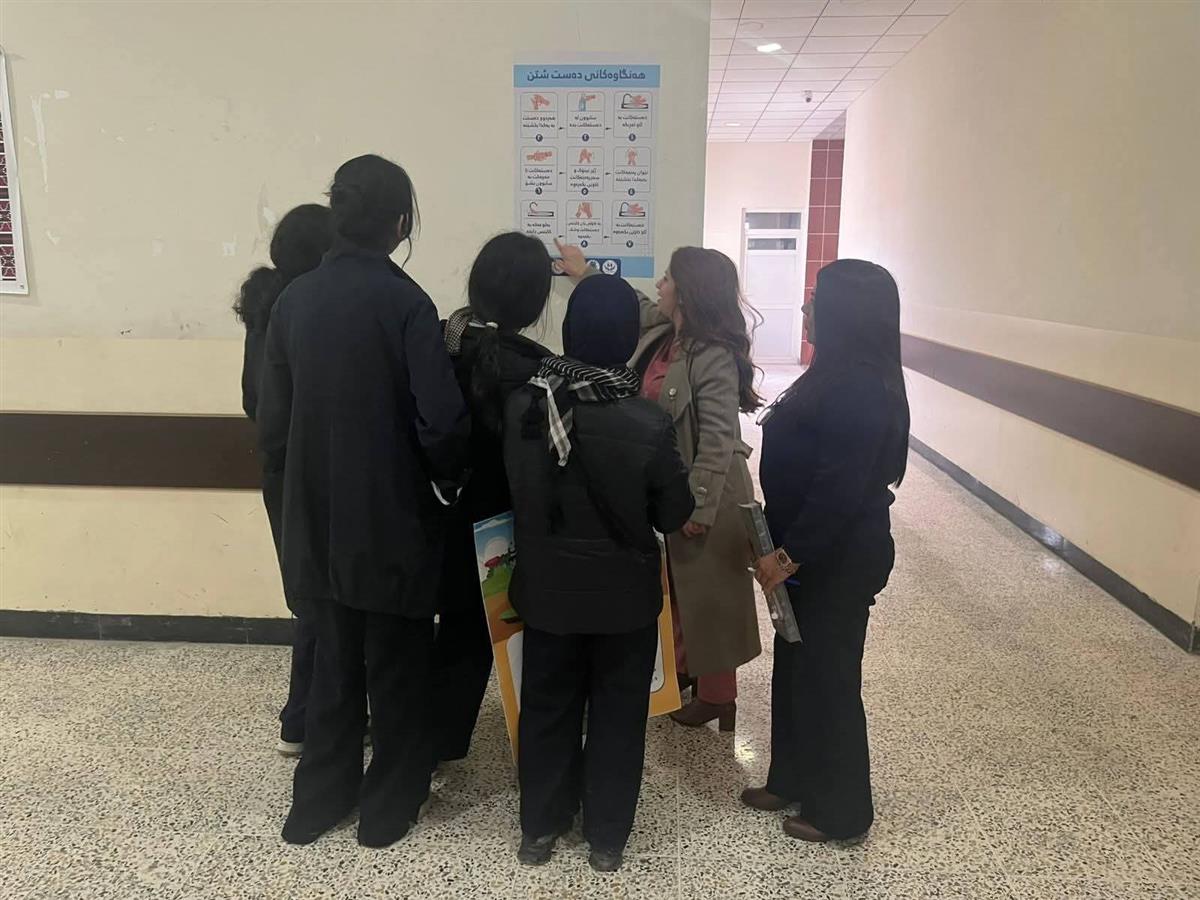
3.4. Personal and General Hygiene
The campaign promoted daily personal hygiene practices and the cleanliness of school facilities, emphasizing the role of proper hygiene in reducing the spread of diseases and infections and maintaining a safe and healthy learning environment.
Awareness posters were selected as a practical visual communication tool to convey health messages clearly and consistently, allowing students to access and reinforce these messages throughout their time at school.
4. Target Groups and Geographical Coverage
The activity targeted school students across Sulaymaniyah Governorate and covered more than 20 schools, with an estimated reach of approximately 5,000 students.
By displaying the posters in appropriate and visible locations within schools, the activity ensured that students could access the awareness messages on an ongoing basis. This approach was intended to reinforce health and environmental concepts and encourage their application in students’ daily lives.
5. Results and Key Quantitative Indicators
The activity achieved the following direct outputs:
More than 20 schools: Covered by the awareness campaign.
Approximately 5,000 students: Estimated number of beneficiaries.
200 awareness posters: Distributed and displayed across participating schools.
Four main awareness themes: Oral and dental health, environmental cleanliness, smoking prevention, and personal and general hygiene.
Three participating institutions: HUMAN, the Directorate of Health Prevention, and the Sulaymaniyah Directorate of Education.
These outputs are expected to contribute to improved health awareness among students, encourage healthier and more hygienic practices, and strengthen the role of schools in promoting preventive health education.
The beneficiary figure represents an estimate. Further follow-up and evaluation would be required to assess changes in students’ knowledge, attitudes, and health-related behaviours resulting from the campaign.
6. Institutional Partnership and Coordination
The activity was implemented in cooperation with the Directorate of Health Prevention and the Sulaymaniyah Directorate of Education, demonstrating the importance of collaboration between civil society organizations and government institutions in promoting school health.
This partnership supported the dissemination of health awareness messages to a substantial number of students and strengthened coordination between the health and education sectors in pursuit of shared preventive health objectives.
The experience also highlights the importance of maintaining joint coordination and developing school-based health awareness programmes to ensure that students receive accurate, relevant, and sustainable health information.
7. Recommendations
Based on the objectives and implementation of the activity, the Human Network for Health and Humanitarian Work (HUMAN) recommends the following:
Continue implementing health awareness campaigns in schools throughout the academic year.
Regularly update awareness posters and educational materials to reflect students’ ages, needs, and levels of understanding.
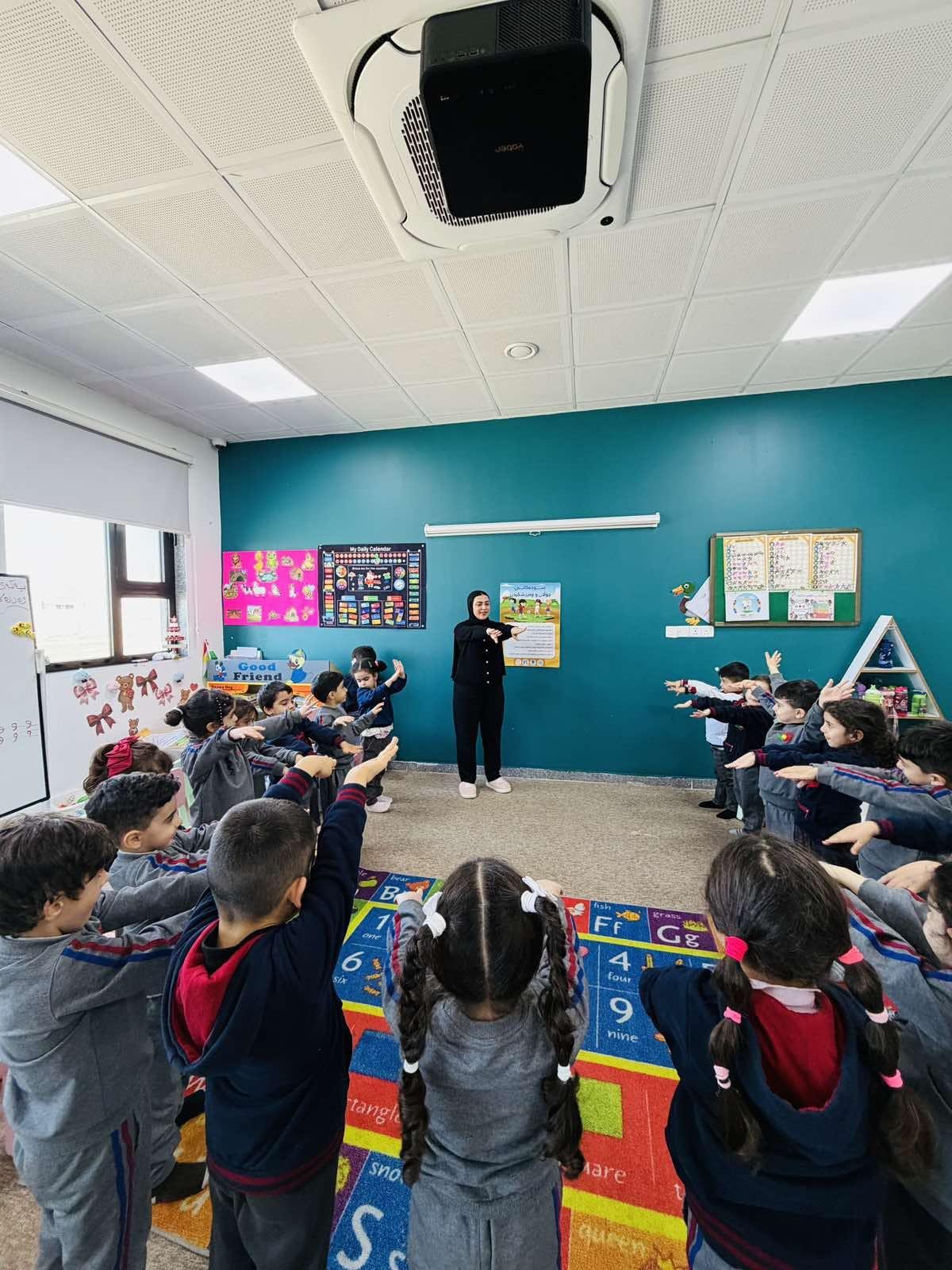
Organize interactive awareness sessions on oral and dental health, personal and environmental hygiene, and the risks of smoking.
Encourage school administrations, teachers, and students to participate actively in maintaining clean and healthy school environments.
Strengthen cooperation among the Directorate of Health Prevention, the Directorate of Education, and civil society organizations to expand the reach and impact of school health initiatives.
Develop monitoring and evaluation mechanisms to assess students’ understanding of health messages and identify potential changes in their health-related behaviours.
8. Conclusion
This activity reflects the ongoing commitment of the Human Network for Health and Humanitarian Work (HUMAN) to promoting public health and strengthening preventive health awareness across society, particularly among children and school students, who represent an important foundation for building a healthier and more environmentally conscious community.
Through its implementation in more than 20 schools, the display of 200 awareness posters, and an estimated reach of approximately 5,000 students, the campaign provided ongoing health messages on dental care, environmental cleanliness, smoking prevention, and general hygiene.
HUMAN emphasizes the importance of sustaining and expanding such initiatives in cooperation with health and education institutions. Continued investment in school-based health awareness can help strengthen preventive practices, encourage positive behaviours among students, and contribute to healthier, cleaner, and safer learning environments.
9. Acknowledgements
The Human Network for Health and Humanitarian Work (HUMAN) extends its sincere thanks and appreciation to the Directorate of Health Prevention and the Sulaymaniyah Directorate of Education for their cooperation, coordination, and support in implementing this health awareness activity.
HUMAN also expresses its gratitude to school administrations and educational staff for facilitating the dissemination of health messages to students. The Network further acknowledges the contributions of all institutions and stakeholders working to promote health and environmental awareness and protect younger generations.
HUMAN reaffirms its commitment to continued collaboration with health and education institutions and civil society organizations to help build healthy, clean, and safe school environments and strengthen a culture of preventive healthcare throughout the community.
Human Network for Health and Humanitarian Work (HUMAN)
Together for Better Health, a Cleaner Environment, and a Safer Future for Our Children.