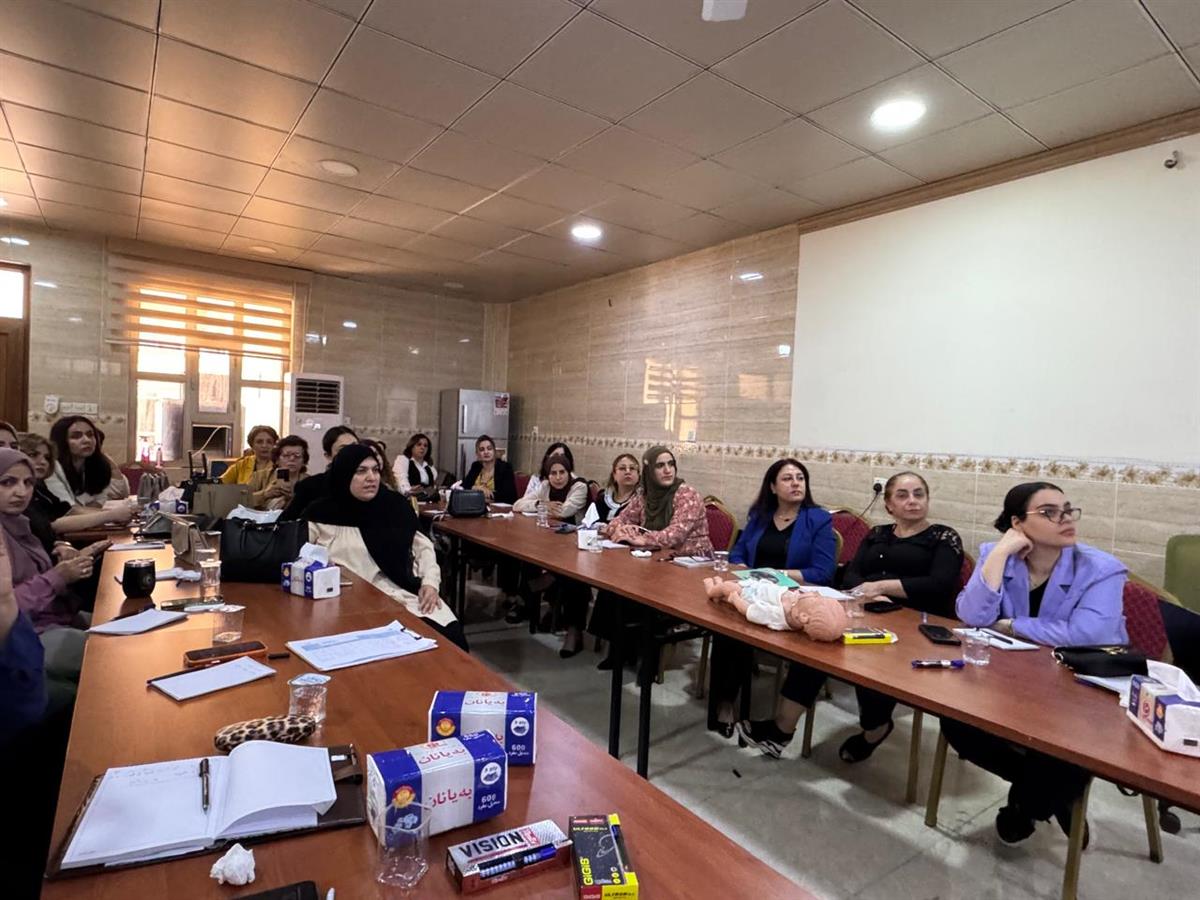
Training Course on First Aid, Healthy Nutrition, and Educational Practices for Kindergarten Children
2026-10-22
Training Course on First Aid, Healthy Nutrition, and Educational Practices for Kindergarten Children
Organizing Organization: Human Network for Health and Humanitarian Work (HUMAN)
Collaborating Institutions: Directorate of Health Prevention and Sulaymaniyah Directorate of Education
Date of Activity: 14 October 2026
Location: HUMAN Headquarters, Sulaymaniyah, Kurdistan Region of Iraq
Target Group: Kindergarten teachers affiliated with the Sulaymaniyah Directorate of Education
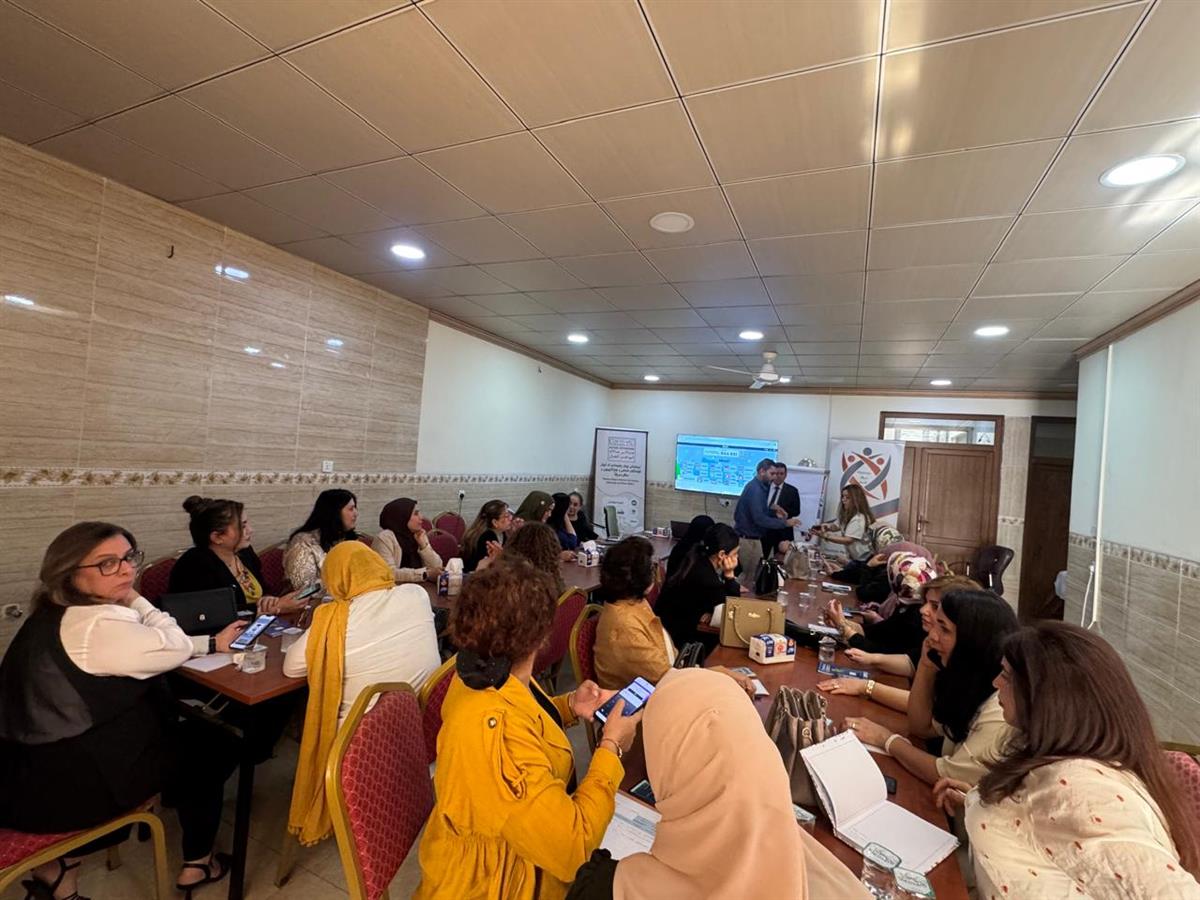
Number of Participants: 25 kindergarten teachers (FEMALE)
Number of Trainers: 3 specialized trainers
1. Background
As part of its efforts to promote health and educational awareness and strengthen the capacities of personnel working in educational institutions, the Human Network for Health and Humanitarian Work (HUMAN), in cooperation with the Directorate of Health Prevention and the Sulaymaniyah Directorate of Education, organized a specialized training course for kindergarten teachers on 14 October 2026.
The course was organized in recognition of the importance of providing a safe and healthy learning environment for children during early childhood, a critical stage in their physical, psychological, and behavioral development. This stage requires specialized knowledge and skills to enable teachers to respond appropriately to emergencies, promote healthy eating habits, and apply educational approaches suitable for children aged 3–5 years.
2. Objectives of the Training
The training course aimed to achieve the following objectives:
Strengthen kindergarten teachers’ capacity to respond to emergencies and provide basic first aid to children.
Raise awareness of the importance of healthy and balanced nutrition for children aged 3–5 years.
Enhance teachers’ knowledge of educational and behavioral approaches appropriate for early childhood.
Strengthen teachers’ role in providing a safe, healthy, and supportive learning environment for children’s development.
Promote coordination and cooperation among health institutions, educational institutions, and civil society organizations in the field of child health and safety.
3. Main Training Topics
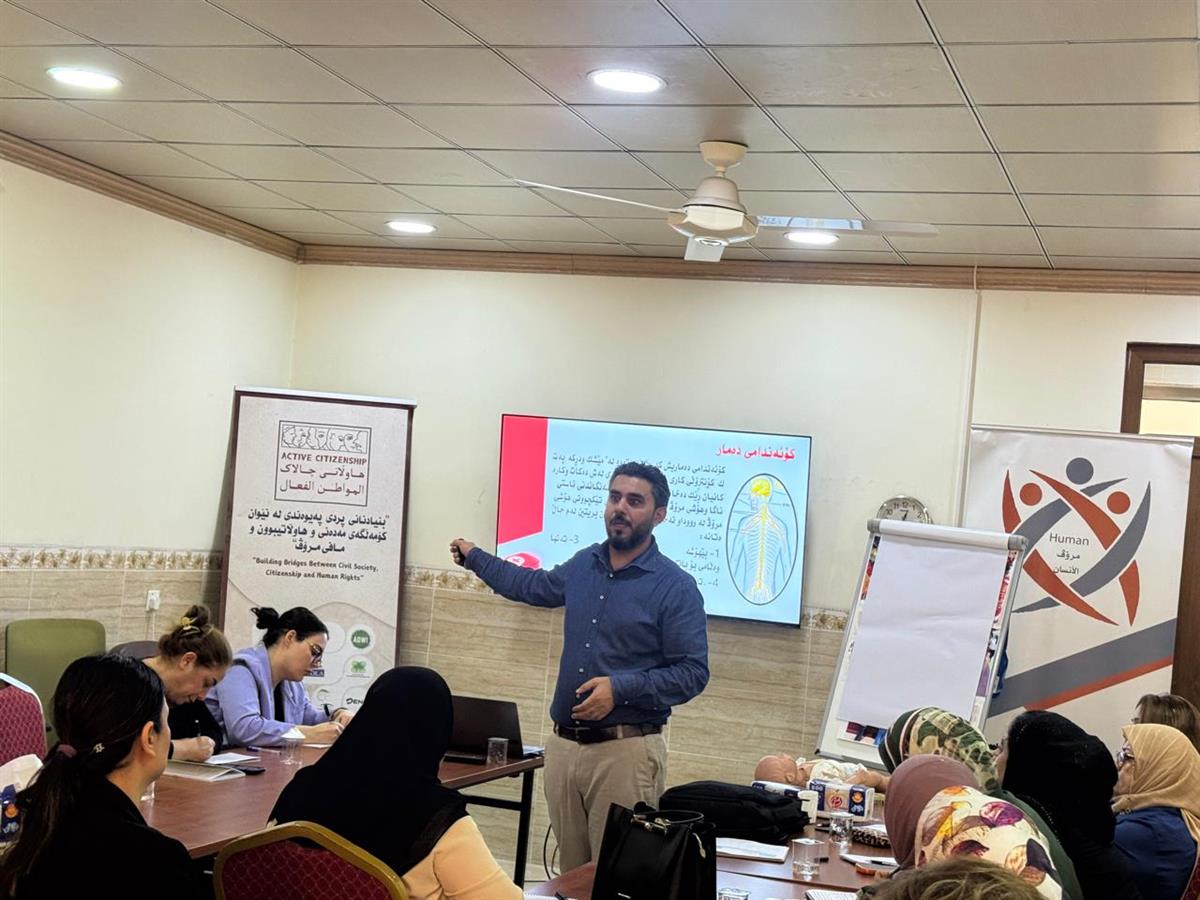
The course covered three main topics, delivered by three specialized trainers, each according to their respective area of expertise.
Topic 1: First Aid for Kindergarten Children
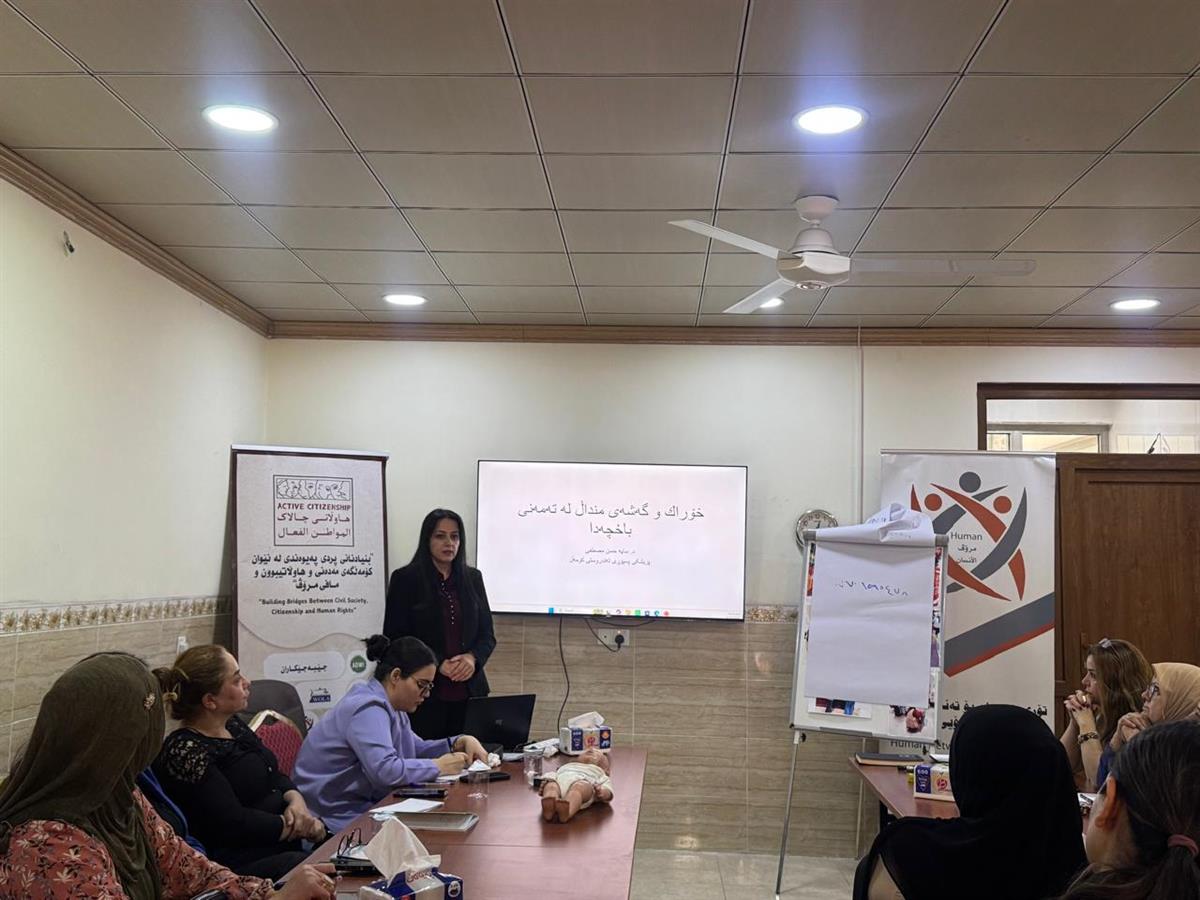
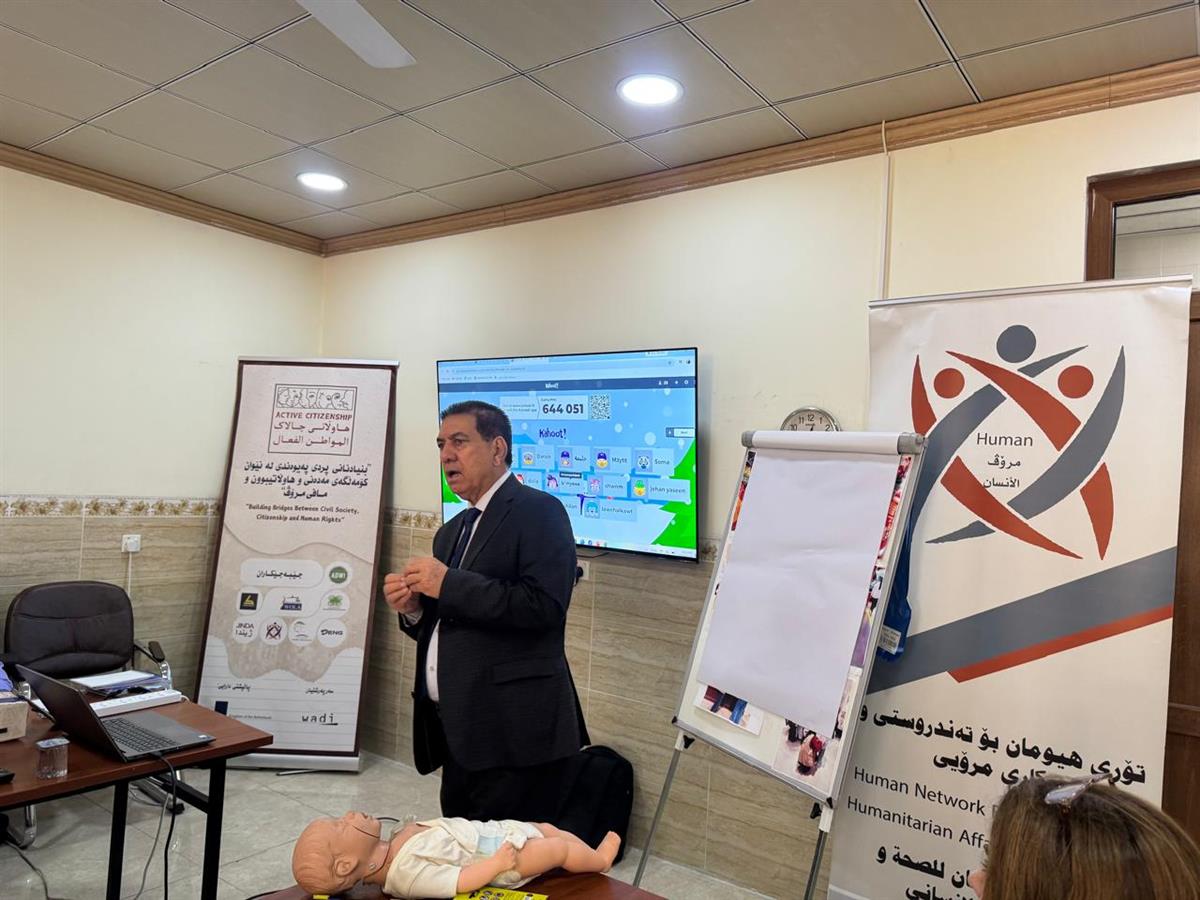
This session addressed the importance of responding promptly and appropriately to emergencies that children may experience in kindergarten settings. It introduced the basic principles of first aid and appropriate responses to common accidents and injuries, with the aim of enhancing children’s safety and reducing potential risks within the educational environment.
Topic 2: Healthy Nutrition for Children Aged 3–5 Years
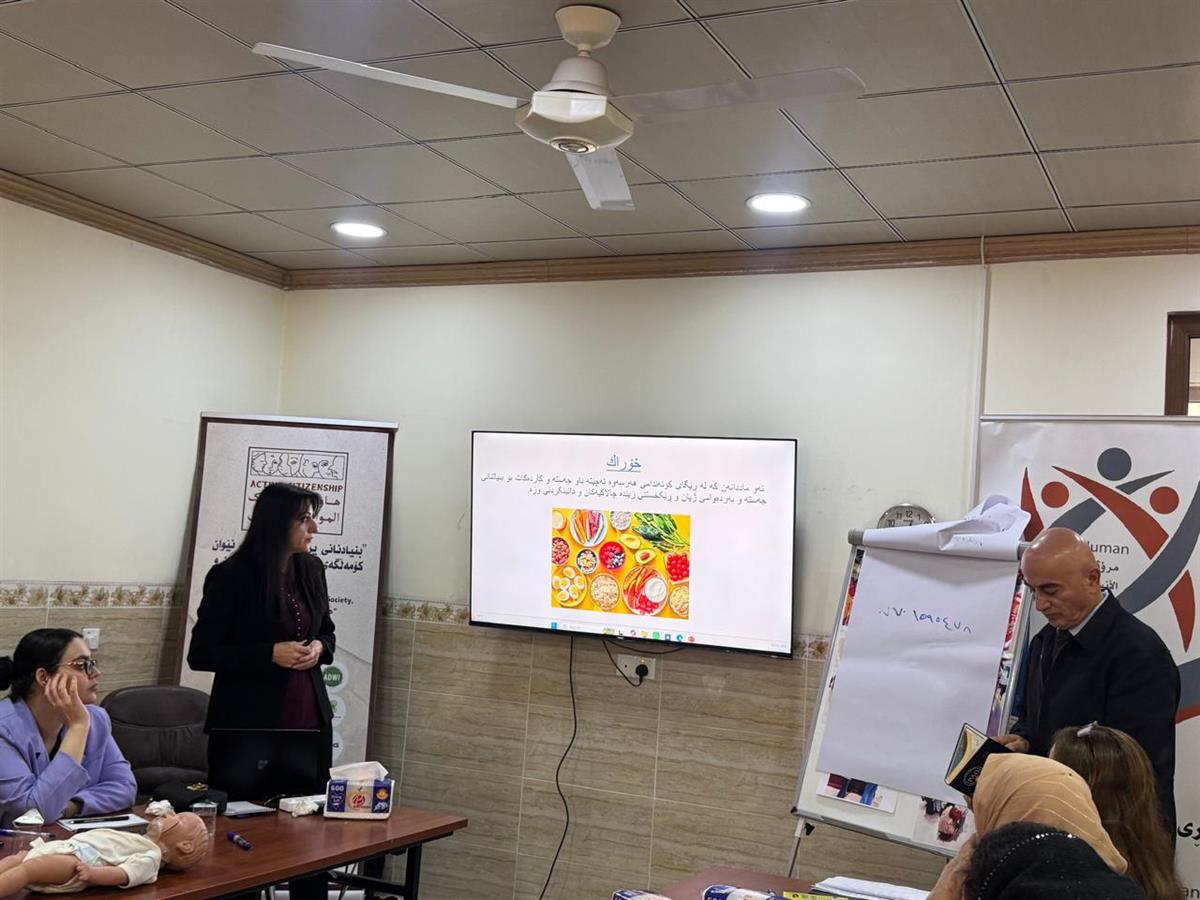
This session focused on the importance of balanced nutrition in supporting children’s physical and cognitive development. It covered healthy eating habits and the nutritional needs of children at this age, while emphasizing teachers’ role in promoting nutritional awareness and encouraging positive eating behaviors among children.
Topic 3: Appropriate Educational Practices for Children Aged 3–5 Years
This session explored educational approaches suited to the developmental and behavioral characteristics of children during early childhood. It emphasized positive interactions with children, understanding their psychological and behavioral needs, and applying supportive educational practices that contribute to their personal development and social interaction within the kindergarten environment.
4. Implementation and Participation
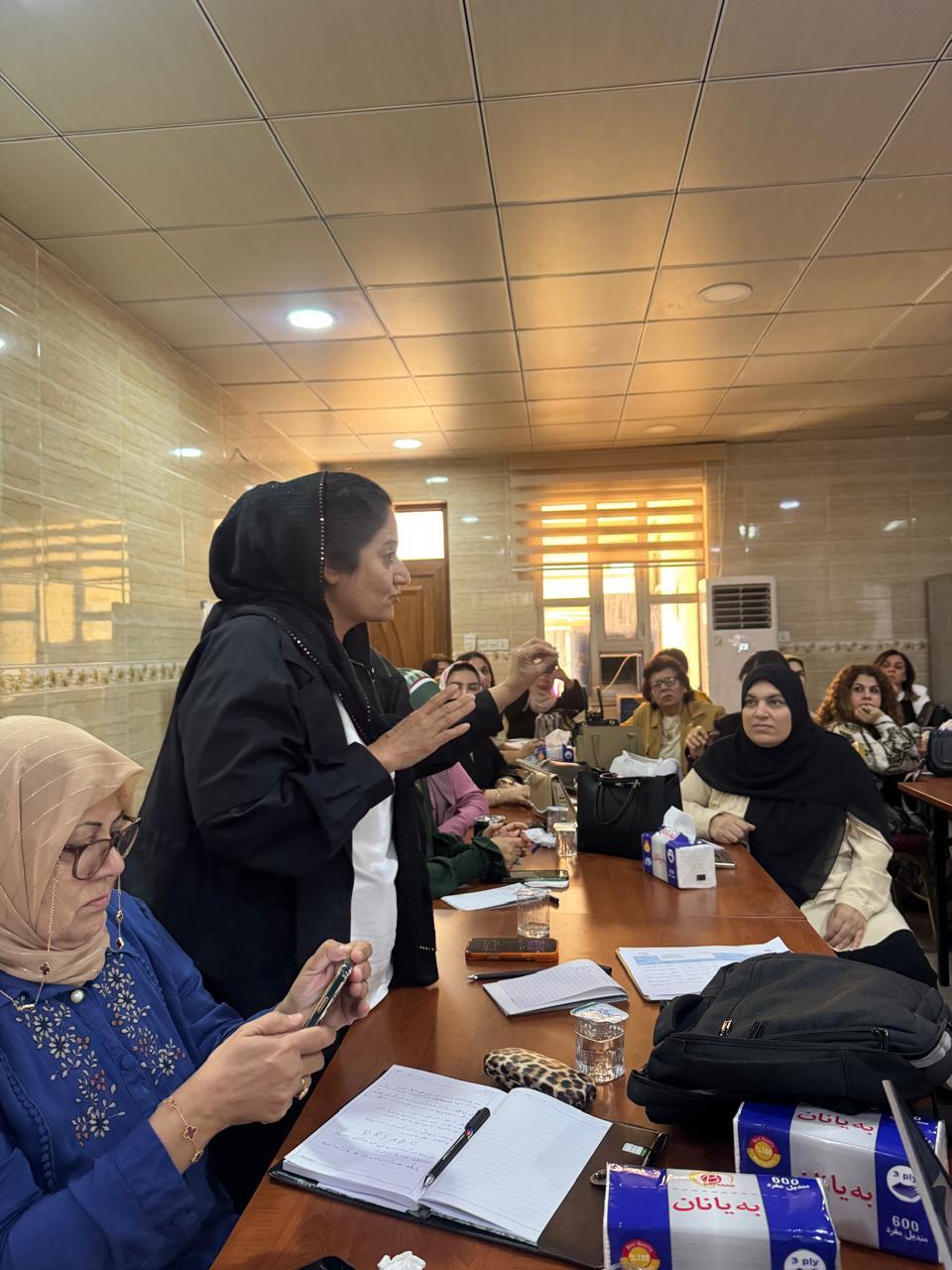
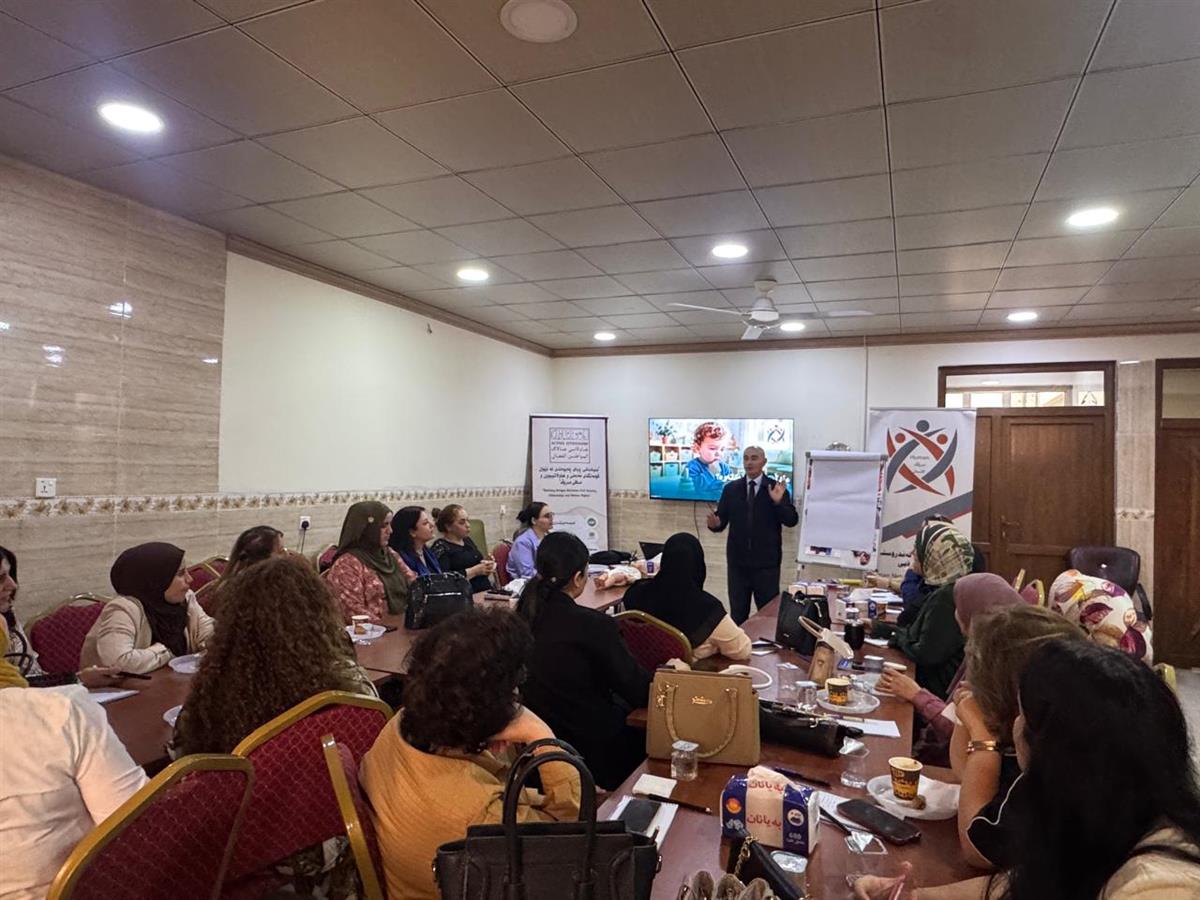
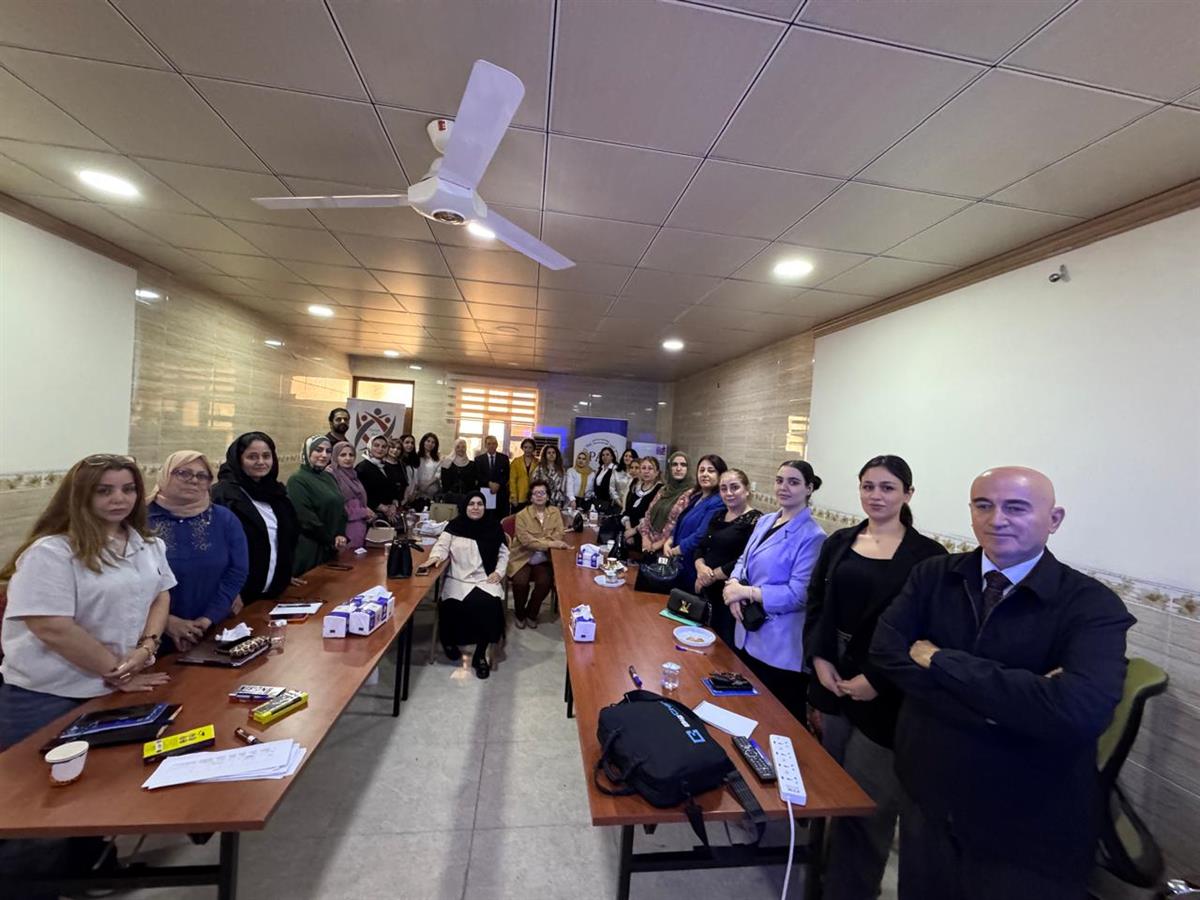
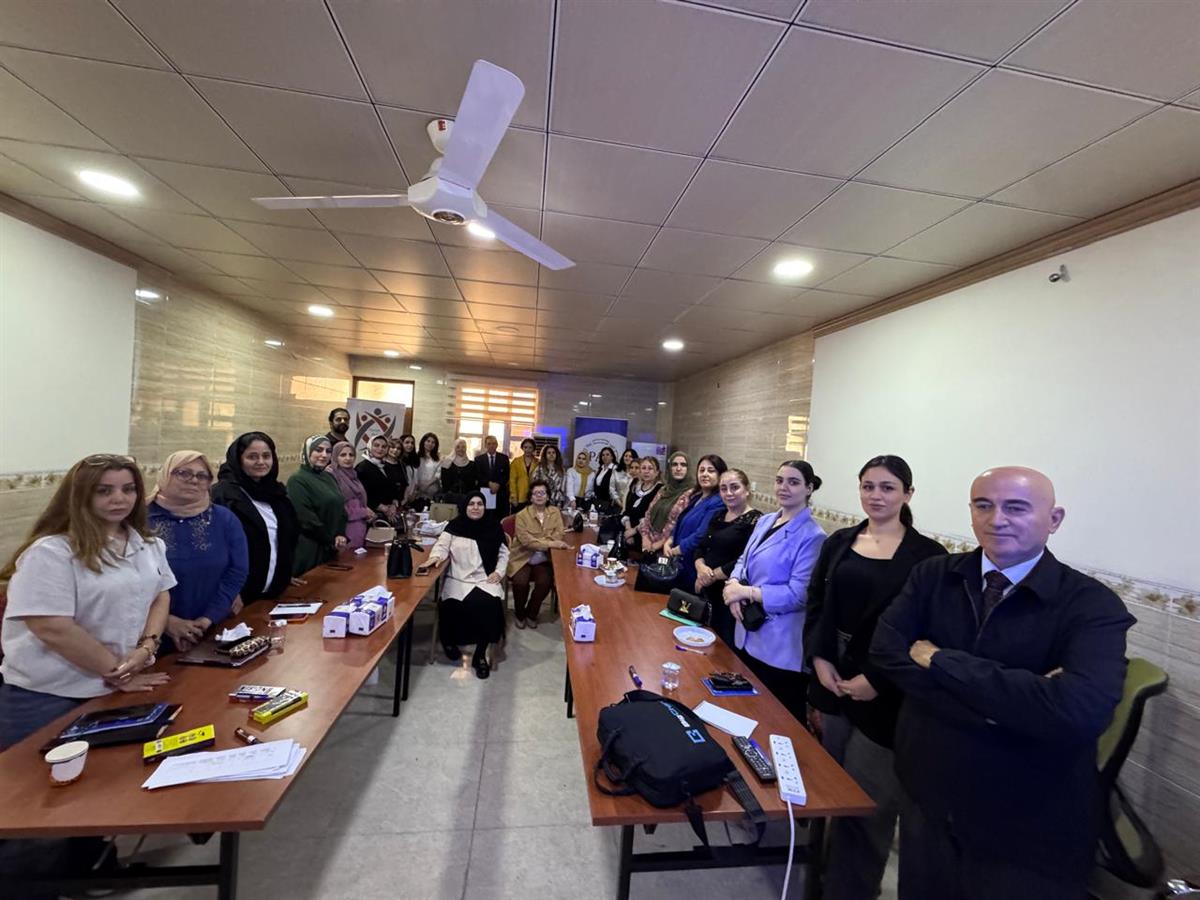
The training course was attended by 25 kindergarten teachers affiliated with the Sulaymaniyah Directorate of Education. Three specialized trainers delivered the sessions, ensuring that the topics were addressed from complementary health, nutrition, and educational perspectives.
The course focused on equipping participants with essential knowledge and information to help them perform their professional responsibilities more effectively. It also aimed to strengthen their ability to address children’s daily needs, particularly in relation to health and safety, nutrition, and behavioral guidance.
The activity was organized through cooperation between HUMAN, the Directorate of Health Prevention, and the Sulaymaniyah Directorate of Education, reflecting the importance of partnerships between the health and education sectors in promoting and protecting children’s health.
5. Results and Key Outputs
The training course contributed to several important outputs, including:
The participation of 25 kindergarten teachers in a specialized training program focusing on child health, safety, and appropriate educational practices.
Enhanced participant knowledge in three key areas: first aid, healthy nutrition, and educational practices.
Increased awareness of preventive health measures and appropriate responses to children’s needs in kindergarten settings.
Strengthened institutional cooperation among health authorities, educational institutions, and civil society organizations.
Positive engagement from participants, who expressed their appreciation for the relevance and importance of the training topics and content.
Recognition of the need to repeat similar training courses and expand their reach to include more kindergarten teachers, given their practical and professional importance.
6. Activity Evaluation
Participants expressed positive feedback on the training topics and their relevance to improving their professional skills. They emphasized the importance of the knowledge covered in the three sessions and its practical application in their daily work with children in kindergarten settings.
Participants also called for the course to be repeated and similar training programs to be organized regularly. Such initiatives would contribute to strengthening kindergarten teachers’ capacities, updating their knowledge, and improving the quality of health care and educational support provided to children.
The positive feedback highlights the importance of continuing training programs that integrate health, nutrition, and educational approaches. It also underscores the need to develop follow-up assessment mechanisms to measure the impact of training on teachers’ daily practices in kindergartens.
7. Recommendations
Based on the outcomes of the activity and participants’ feedback, the Human Network for Health and Humanitarian Work (HUMAN) recommends the following:
Organize specialized training courses for kindergarten teachers on a regular and structured basis.
Expand the scope of training to reach more kindergartens and teachers in different areas under the Sulaymaniyah Directorate of Education.
Strengthen the practical component of first-aid training to address potential accidents and emergencies in kindergarten settings.
Develop accessible educational and guidance materials on healthy nutrition and appropriate educational practices for children aged 3–5 years.
Enhance coordination among the Directorate of Health Prevention, the Directorate of Education, and HUMAN to ensure the continuity of health promotion and awareness programs in educational institutions.
Conduct follow-up assessments to measure the benefits gained by participating teachers and evaluate the impact of training on health-related and educational practices in kindergartens.
Integrate child health and safety awareness into ongoing professional development programs for educational personnel.
8. Conclusion
The Human Network for Health and Humanitarian Work (HUMAN) emphasizes that investing in the professional development of kindergarten teachers is an important step toward creating safe and healthy learning environments and supporting children’s healthy development during early childhood.
HUMAN expresses its sincere appreciation for the constructive cooperation of the Directorate of Health Prevention and the Sulaymaniyah Directorate of Education, as well as for the valuable contributions of the specialized trainers and the active participation of the kindergarten teachers.
The Network reaffirms the importance of continued collaboration and the development of training initiatives that contribute to protecting children’s health, enhancing their safety, and improving the quality of care and education provided to them.
Human Network for Health and Humanitarian Work (HUMAN)
Working together for a healthier society and a safer environment for children.