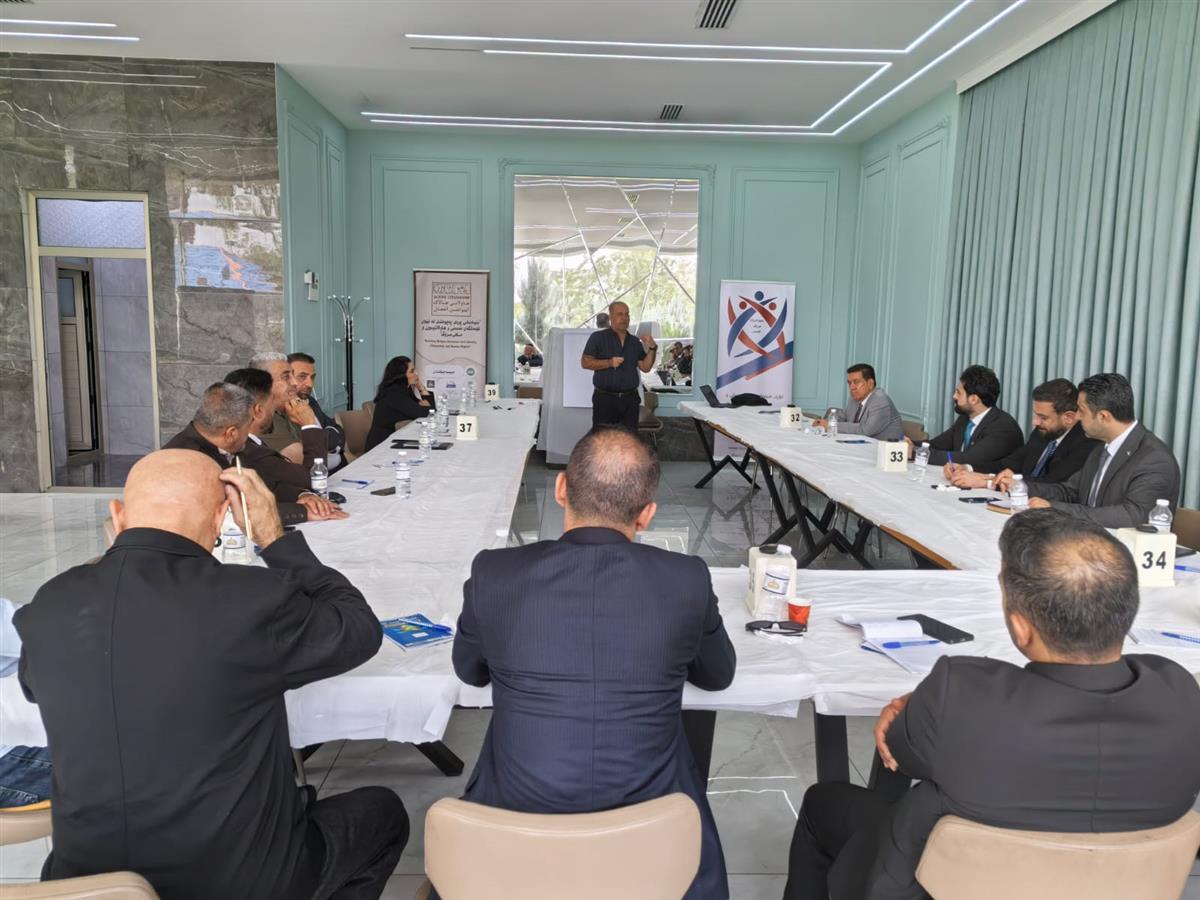
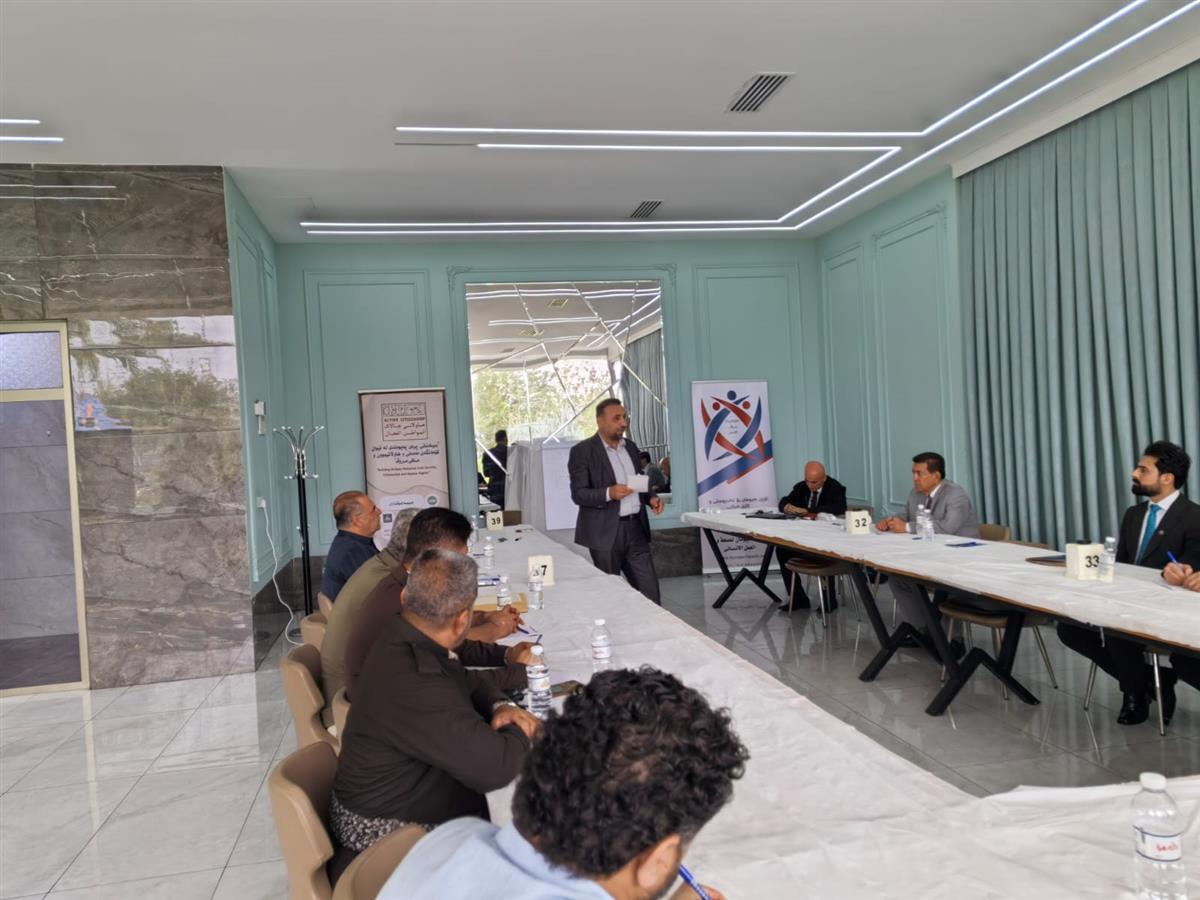
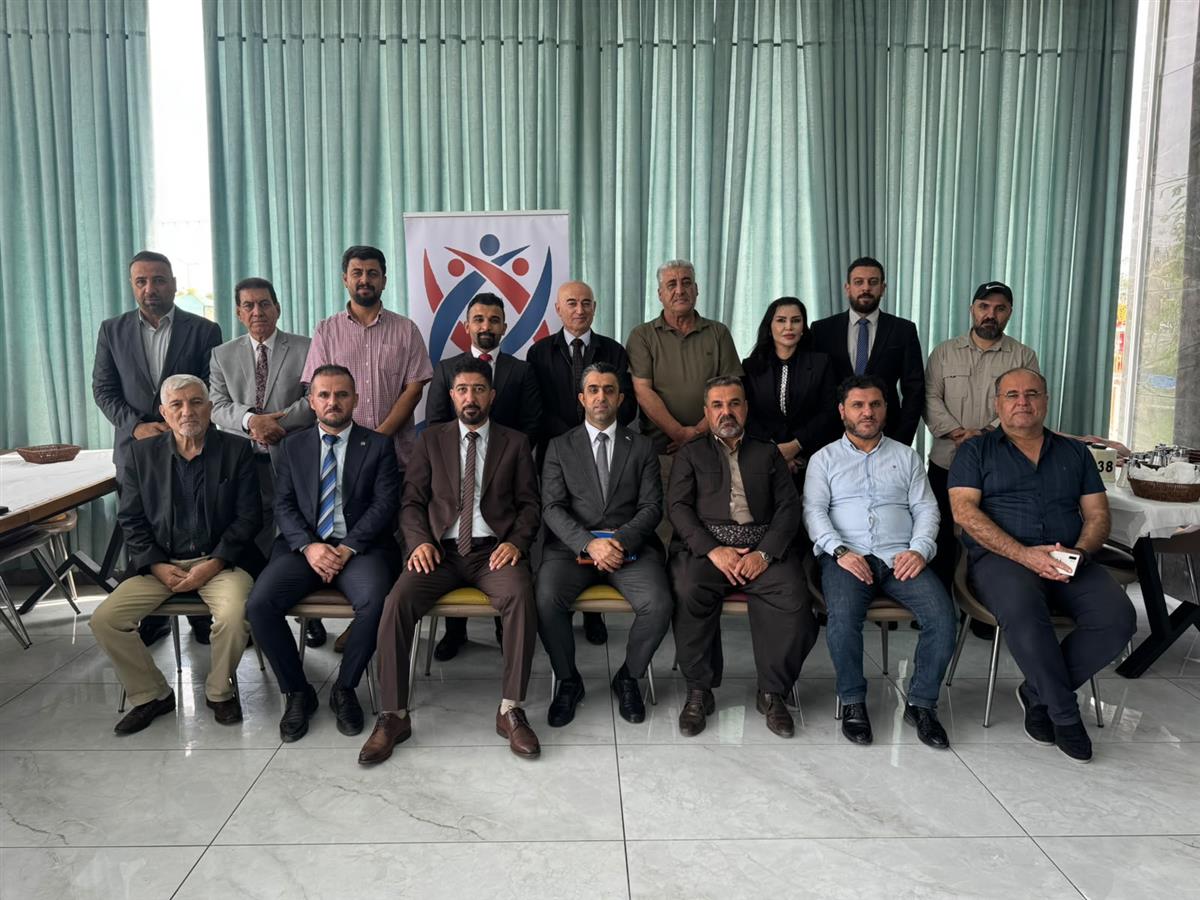
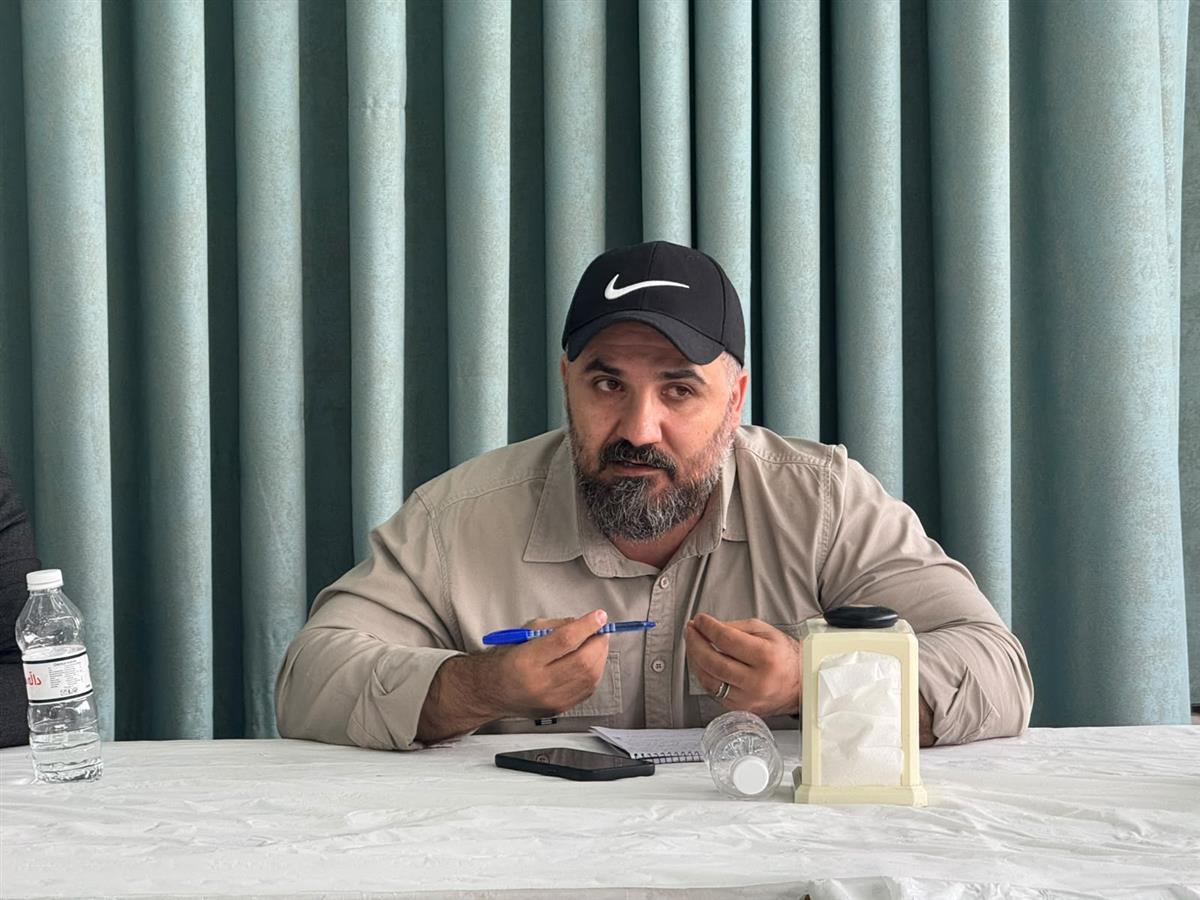
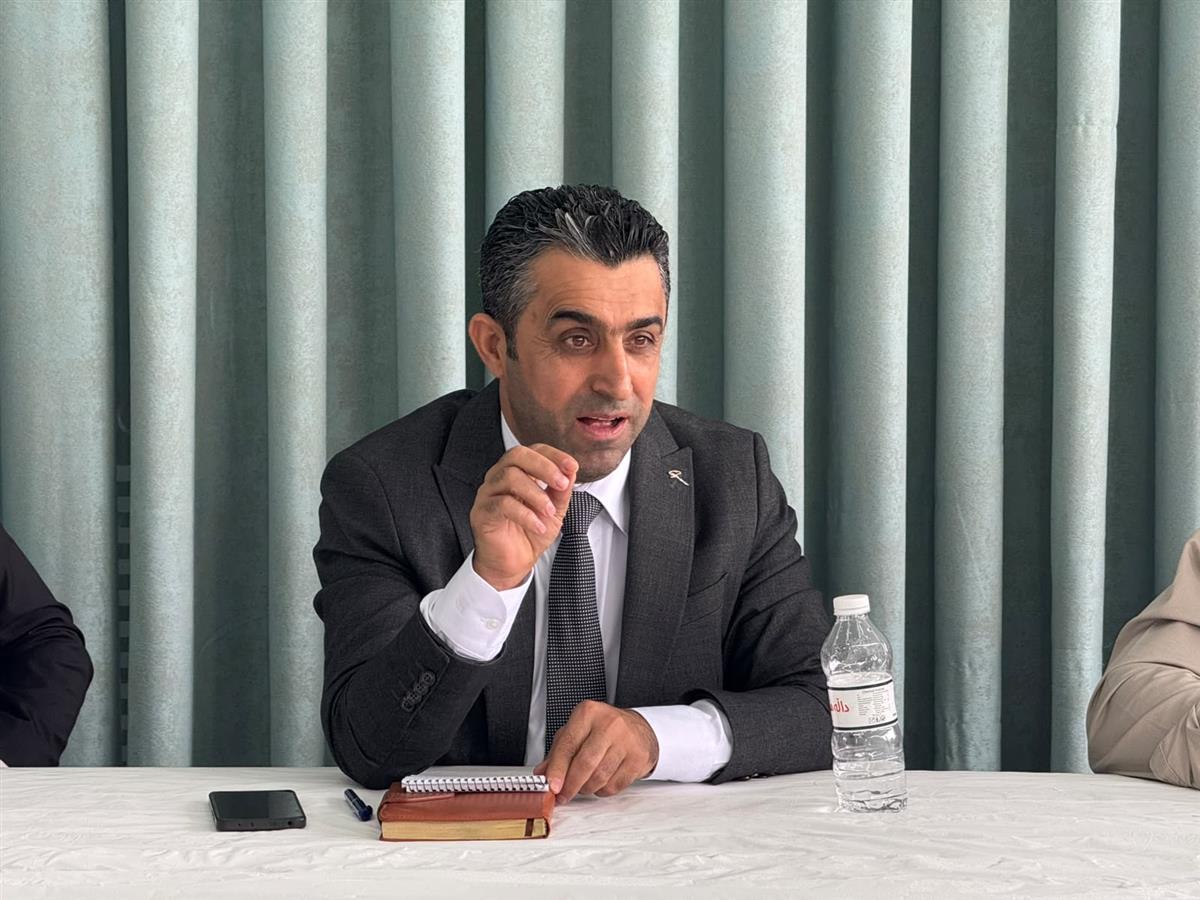
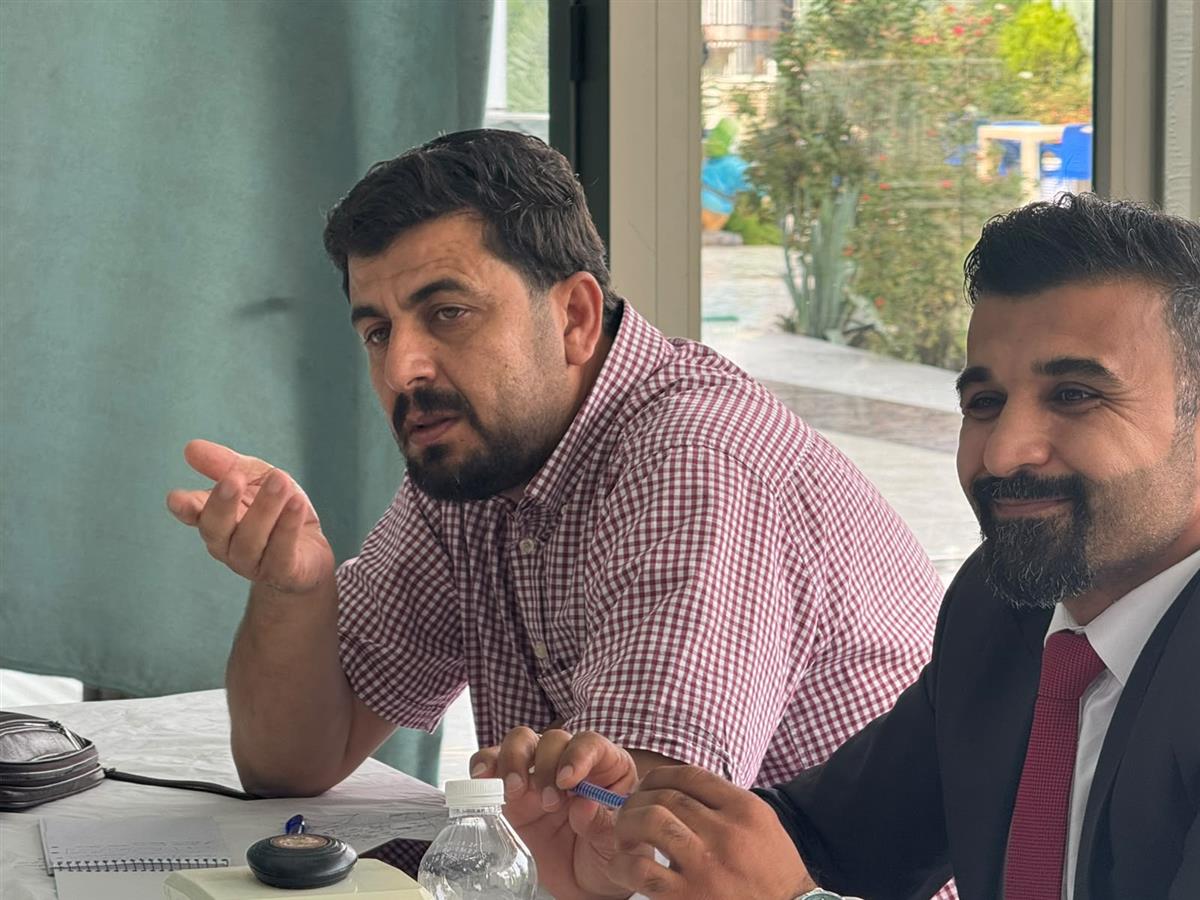
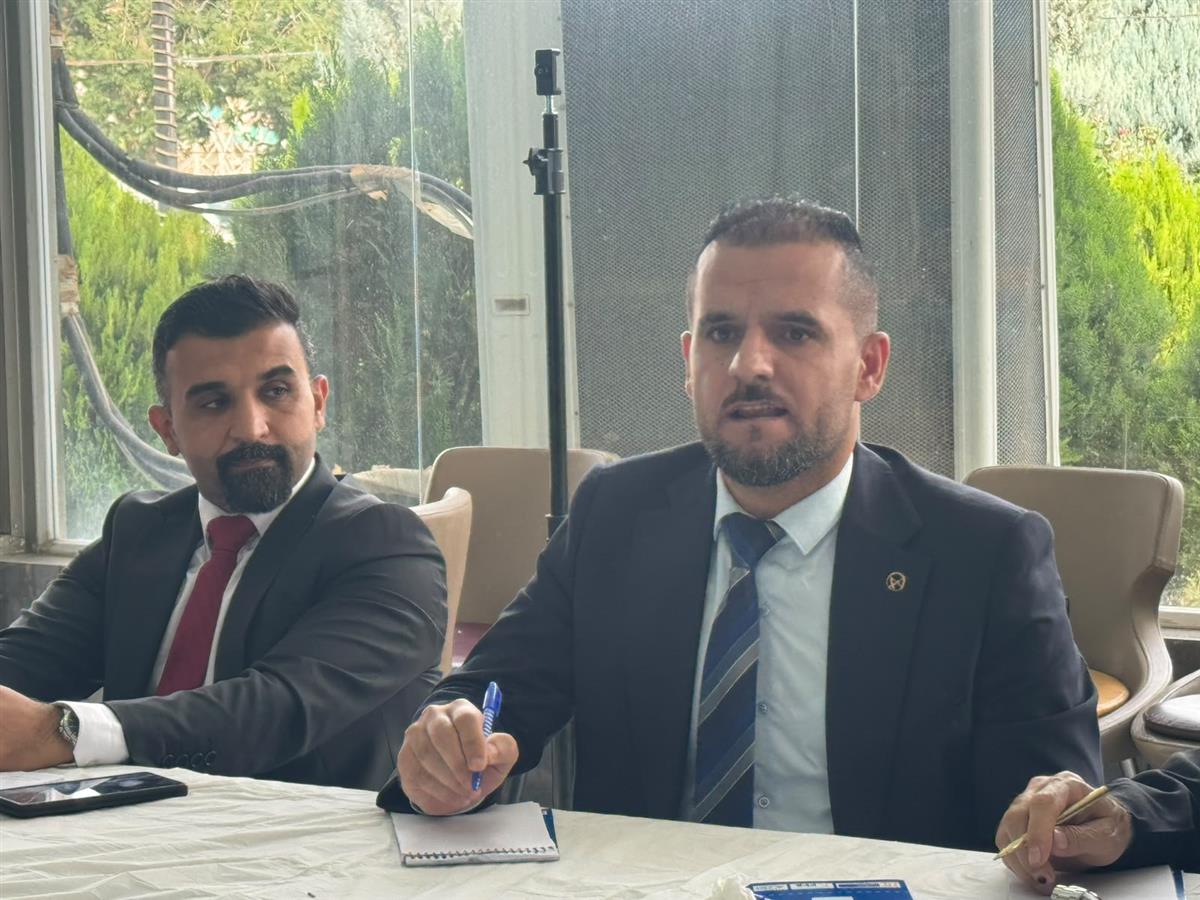
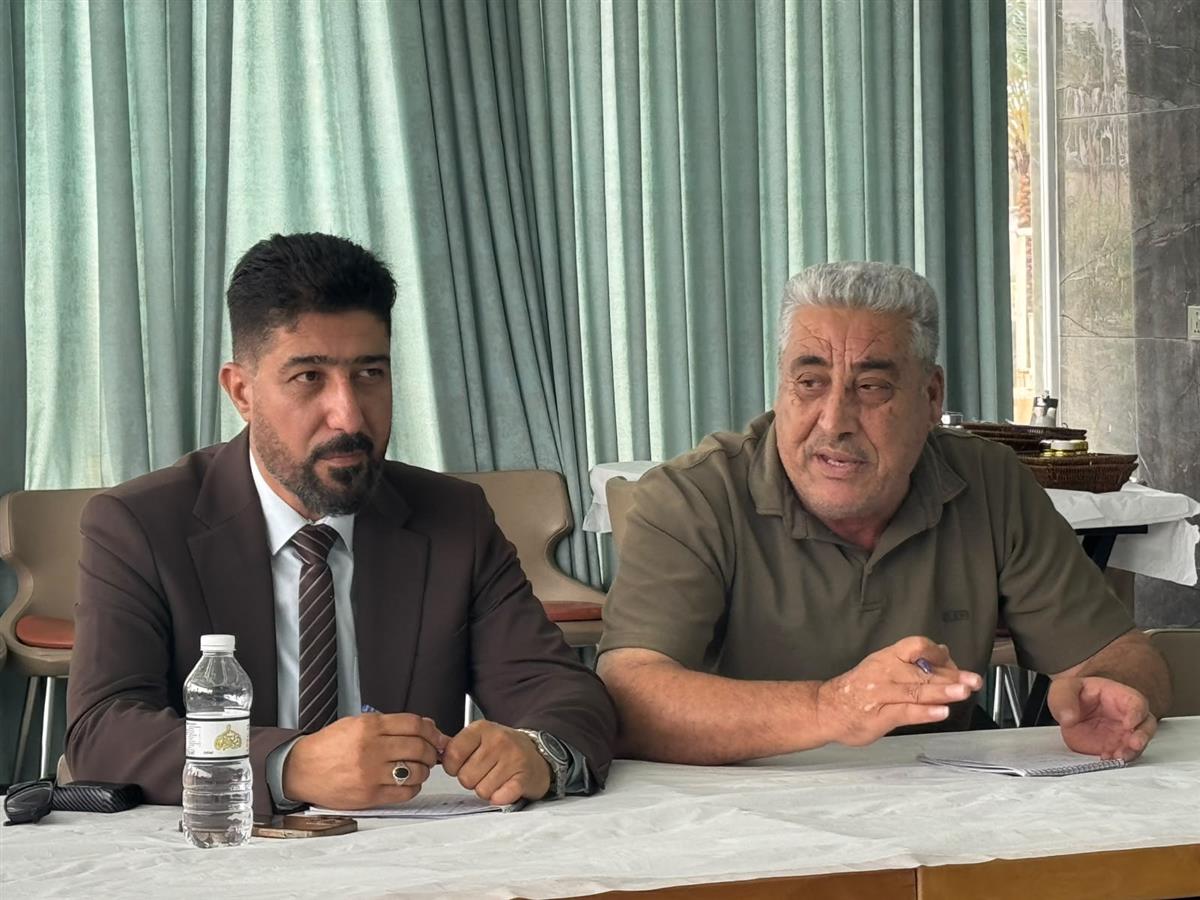
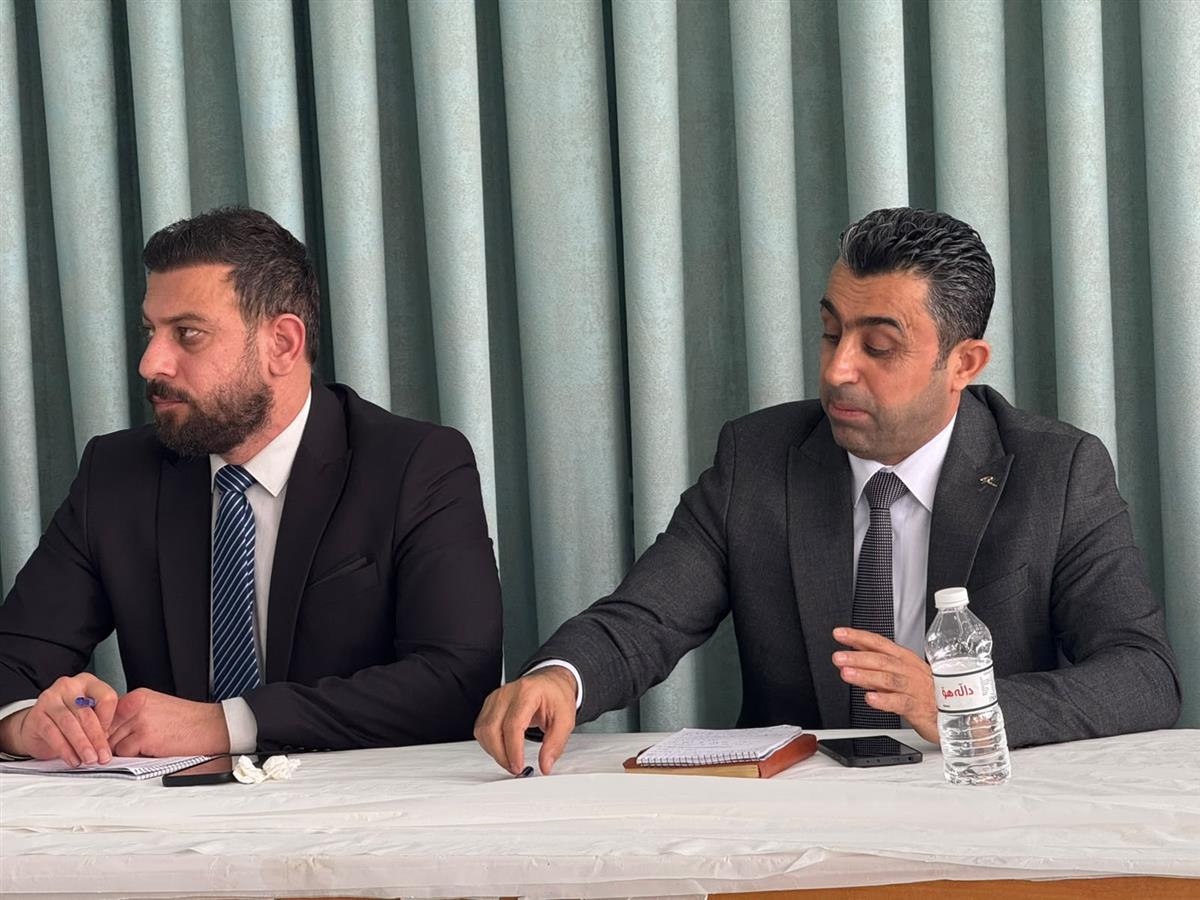
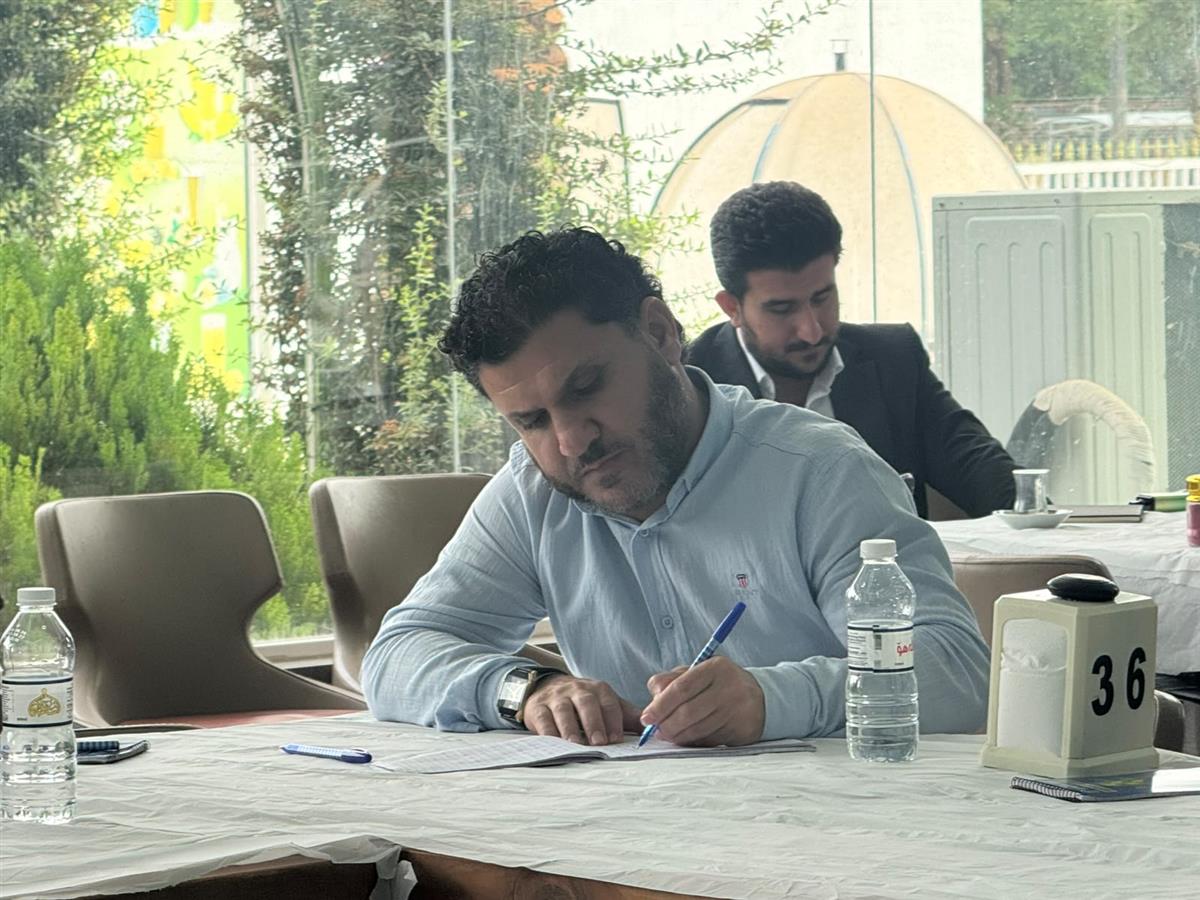
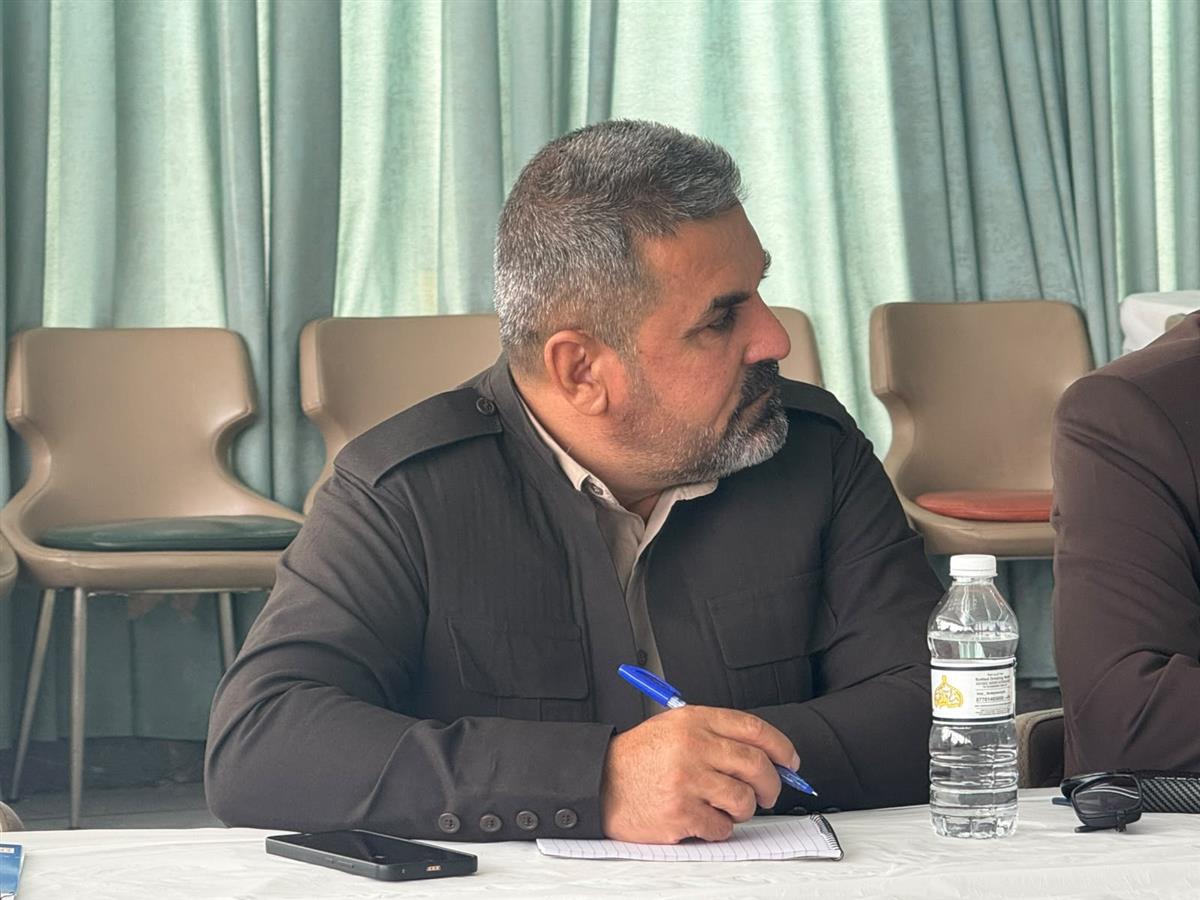
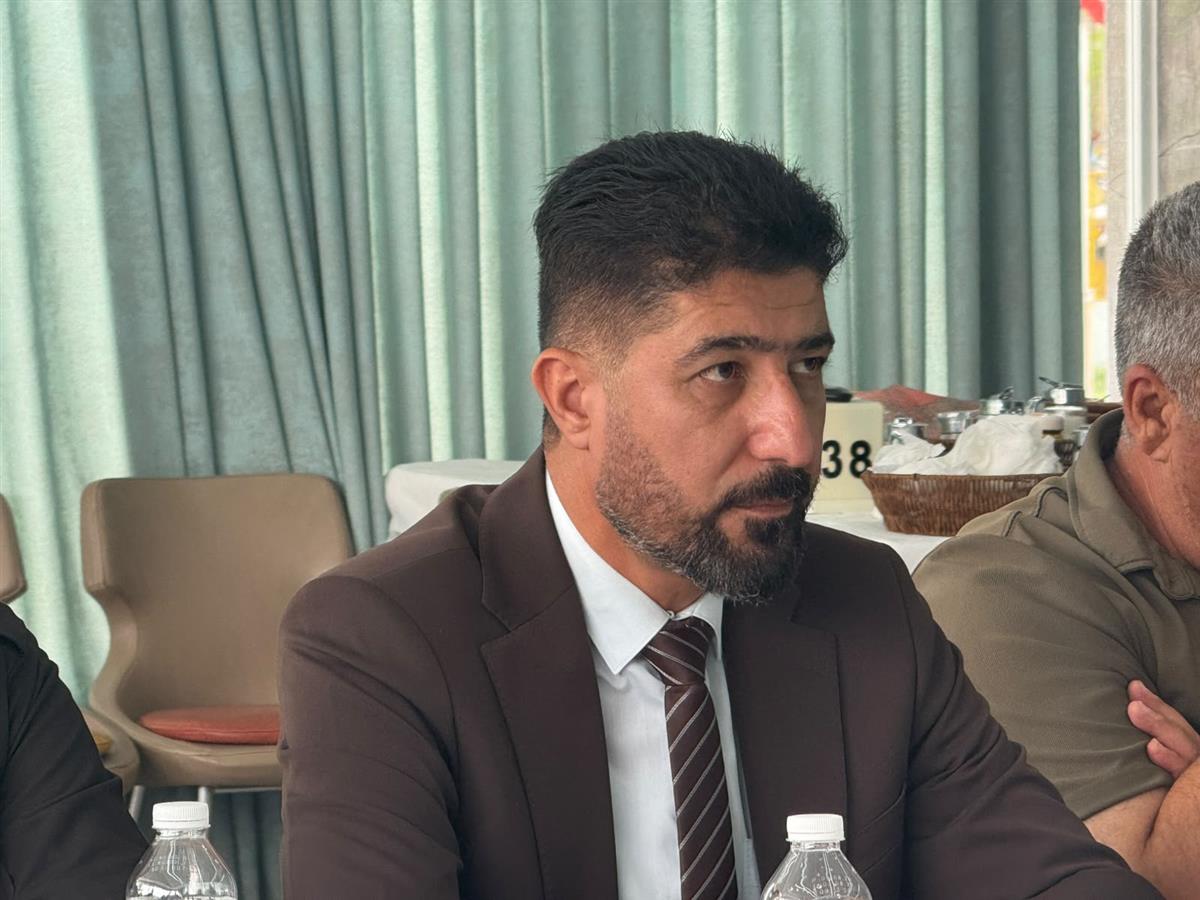
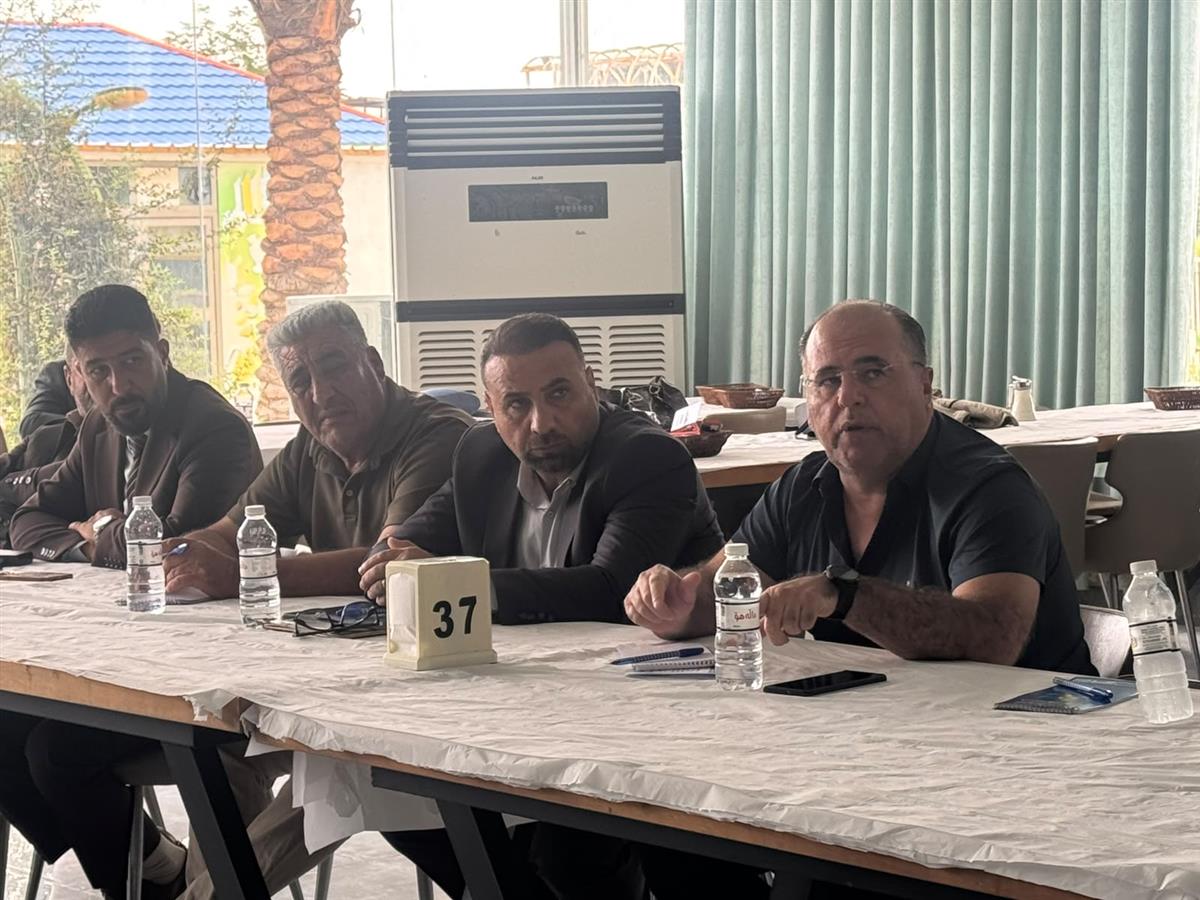
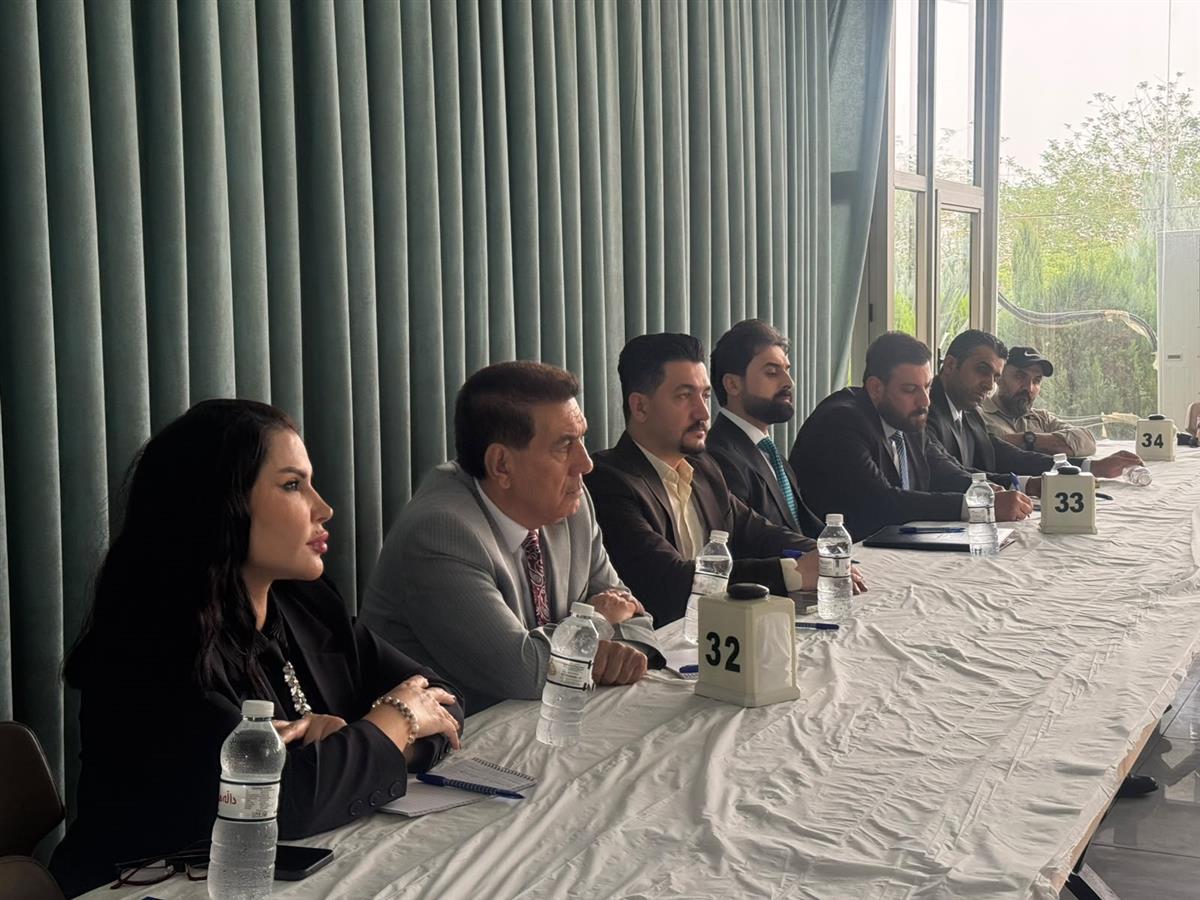
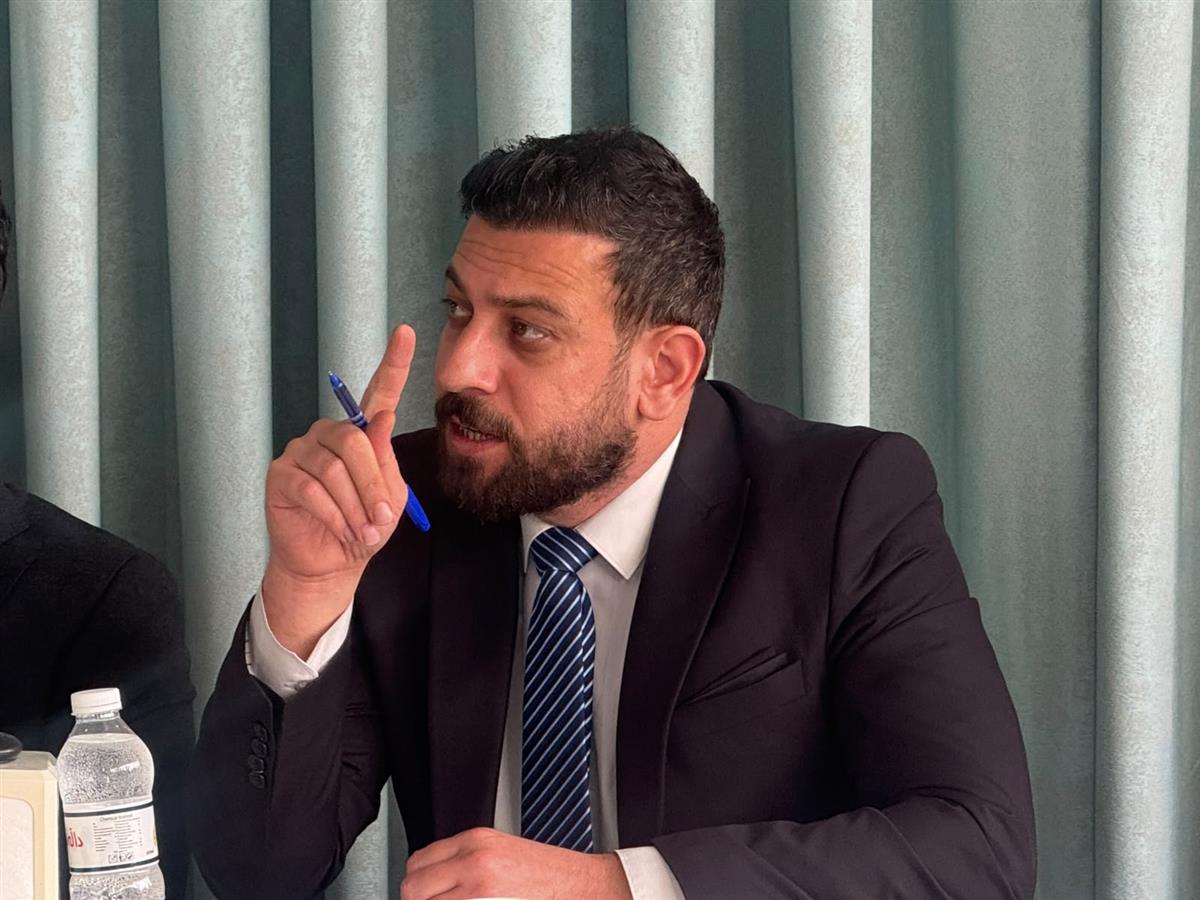
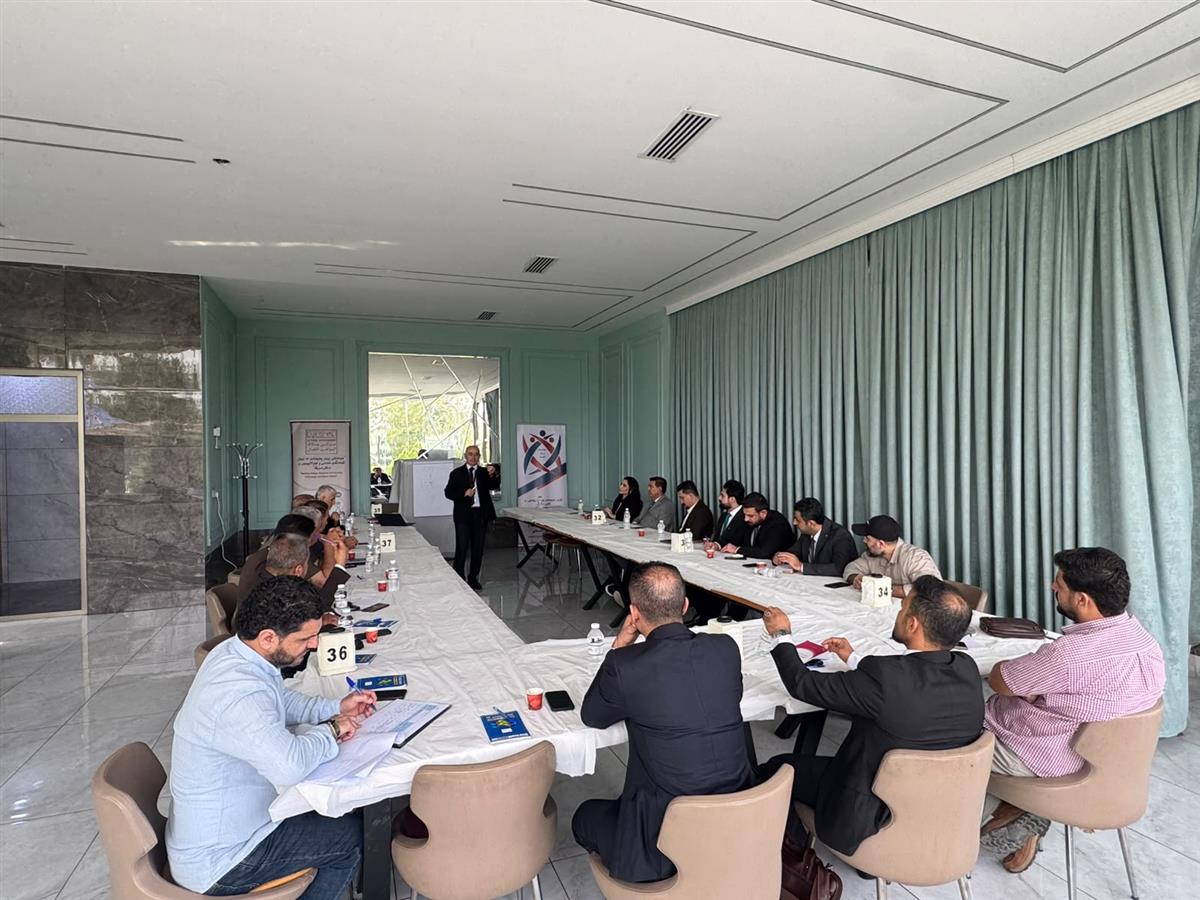
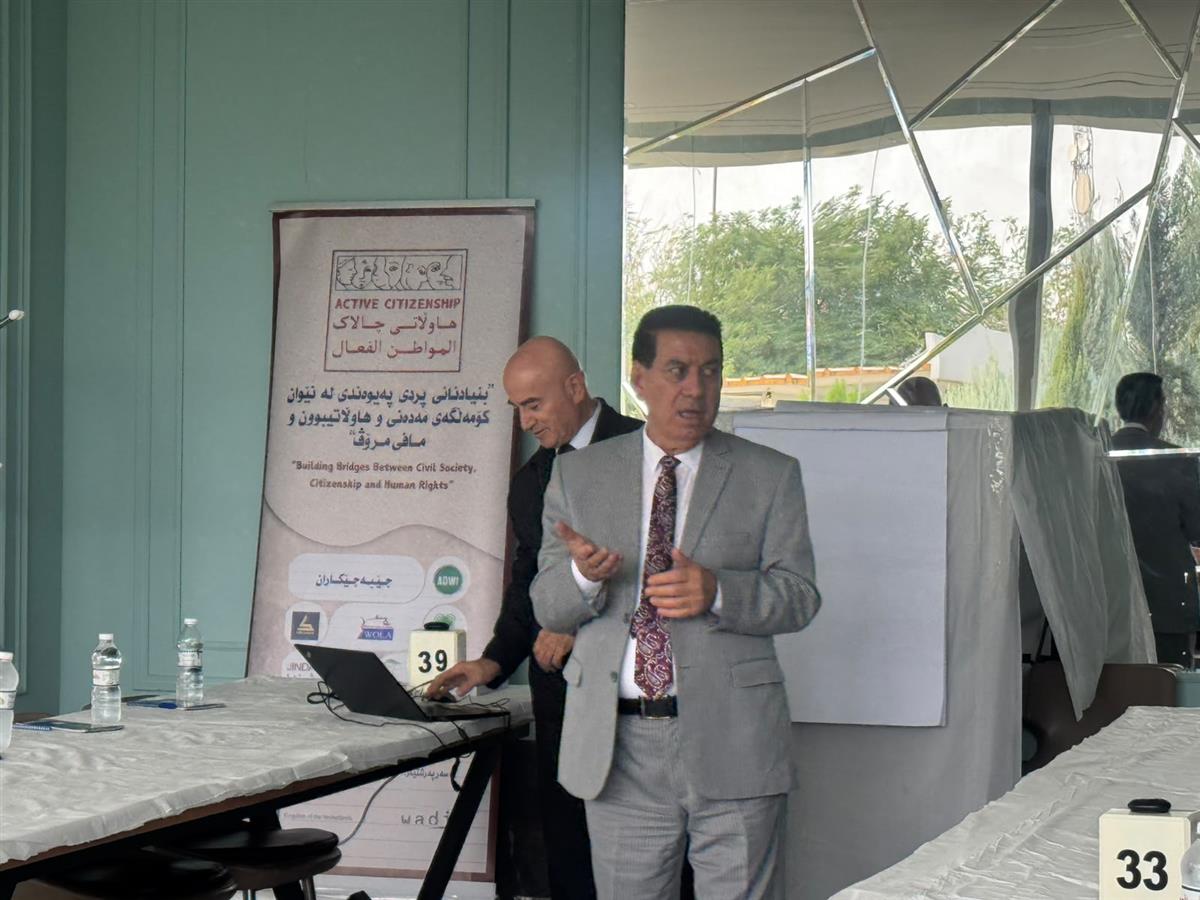
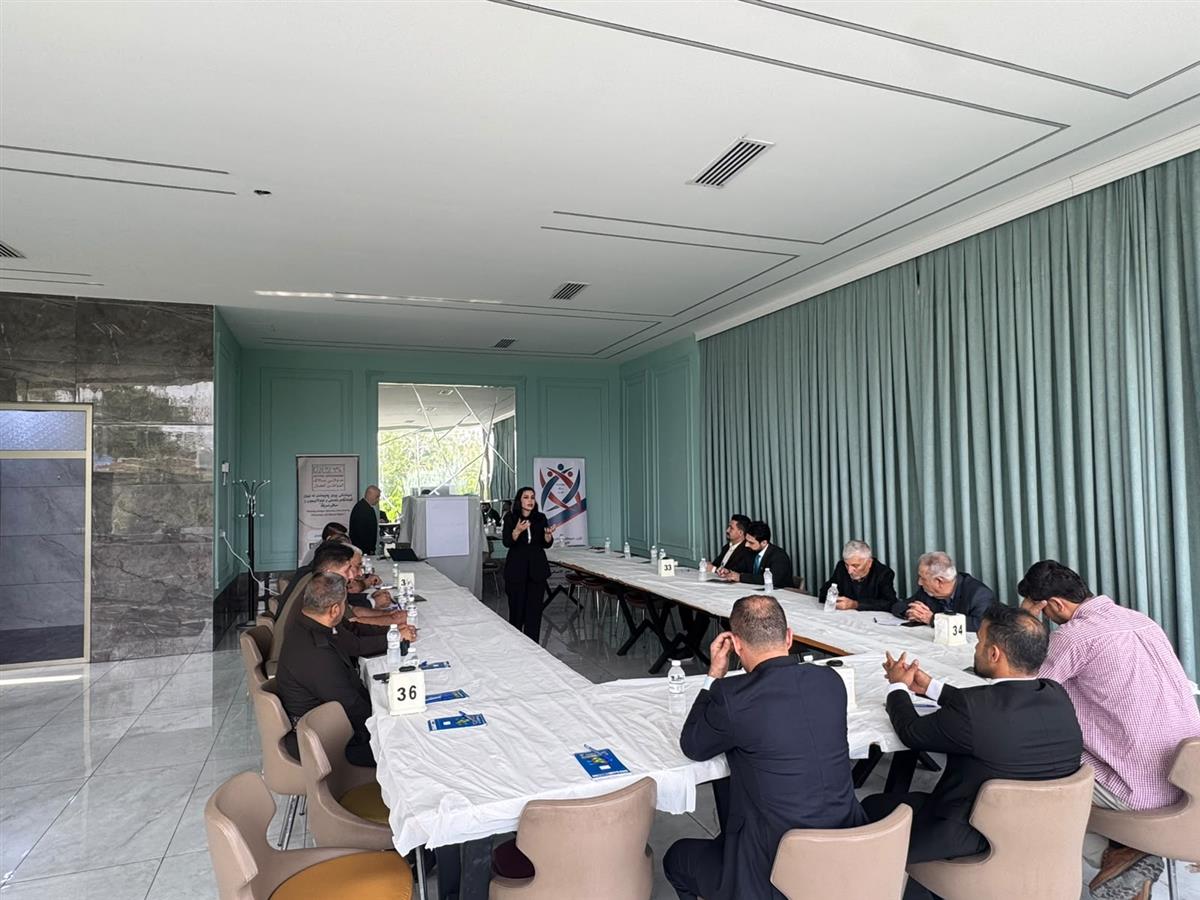
the Health Committee Meeting in Garmian Independent Administration
2026-10-21
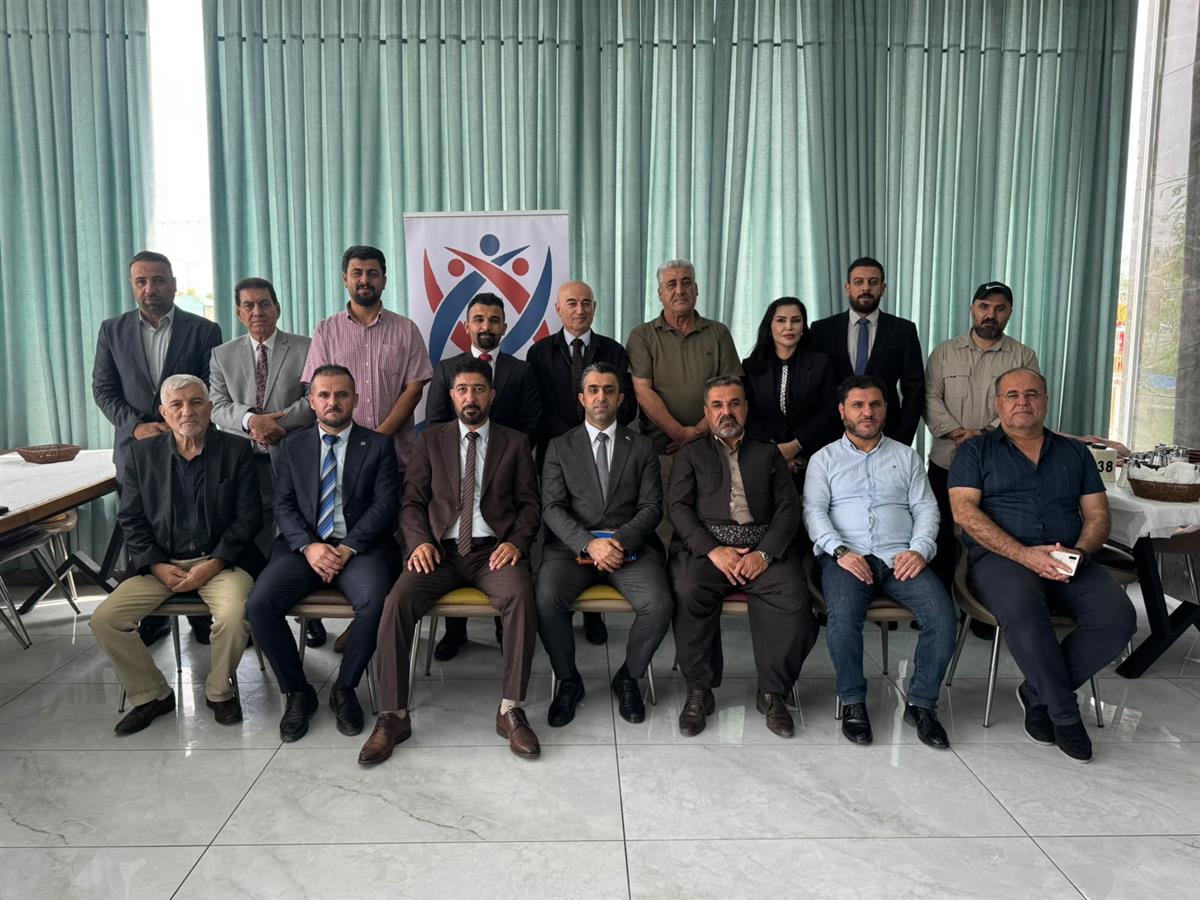
the Health Committee Meeting in Garmian Independent Administration
Organized by: Human Network for Health and Humanitarian Work (HUMAN)
Date: 12 October 2026
Location: Garmian Independent Administration, Kalar, Kurdistan Region of Iraq
Meeting Title: Discussing the Health Situation in Garmian, Identifying Challenges and Needs, and Strengthening Joint Coordination to Address Them
1. Background
As part of its ongoing efforts to promote community participation, strengthen coordination among health institutions and relevant stakeholders, and improve responses to citizens’ health needs, the Human Network for Health and Humanitarian Work (HUMAN) organized a meeting of the Health Committee in Garmian Independent Administration on 12 October 2026.
The meeting was held as part of HUMAN’s commitment to providing a platform for dialogue and consultation among government institutions, academic bodies, civil society organizations, experts, and community representatives. It aimed to discuss recent developments in the health sector, identify existing challenges, assess needs and priorities, and explore practical solutions based on cooperation and the complementary roles and responsibilities of relevant stakeholders.
2. Participants
The meeting brought together representatives from various institutions and sectors concerned with health and public services, including:
Officials and representatives of health institutions and services.
Representatives of civil society organizations.
A representative of the University of Garmian.
Academics, experts, and retired professionals.
Women representatives.
Other relevant stakeholders and community representatives involved in health and public service issues in the region.
The diversity of participants enriched the discussions by facilitating the exchange of experience and perspectives and identifying potential areas for cooperation to address health challenges in Garmian.
3. Key Discussion Topics and Proceedings
Discussions focused on reviewing recent developments in the health sector in Garmian Independent Administration, examining the main challenges facing health institutions and citizens, and identifying needs requiring coordinated action among relevant institutions and stakeholders.
Participants emphasized the importance of moving beyond identifying problems towards taking practical steps to address them. They also highlighted the need to strengthen communication and cooperation between the health sector and other sectors whose activities directly or indirectly affect public health and community safety.
The meeting further stressed that many health and public service challenges cannot be addressed by health institutions alone. Instead, they require coordinated efforts across multiple sectors, as well as effective use of the expertise, resources, and capacities available within government institutions, academic bodies, and community organizations.
4. Key Outcomes and Results
The meeting resulted in several important outcomes:
4.1. Strengthening Inter-Institutional Coordination
Participants emphasized the importance of enhancing cooperation among health institutions, government authorities, academic bodies, and community organizations to ensure a more effective response to health needs in Garmian.
4.2. Proposal to Establish a Multi-Sectoral Joint Committee
Participants proposed establishing a joint committee bringing together representatives from the following sectors:
Health institutions and relevant health authorities.
The education sector.
The University of Garmian.
The agriculture sector.
Local administration.
Other relevant institutions and stakeholders, depending on the nature of the issue or identified need.
The proposed committee would be responsible for identifying public health challenges, examining their underlying causes, assessing the resources and interventions required, coordinating available capacities, proposing practical solutions, and following up on implementation in cooperation with the relevant stakeholders.
4.3. Strengthening the Role of Academic Institutions and Experts
The meeting highlighted the importance of drawing on scientific, academic, and professional expertise, including the experience of retired professionals, to analyze existing challenges and develop appropriate, evidence-informed recommendations and solutions.
4.4. Expanding Community Participation
Participants stressed the importance of involving civil society organizations and women representatives in identifying health priorities, communicating citizens’ needs, and contributing to solutions that reflect local realities and community needs.
4.5. Encouraging Contributions from Partner Organizations
The German Cooperation Organization and Rwanga Organization expressed their willingness to provide support and contribute to addressing the challenges discussed, within the scope of their respective capacities and available resources. This willingness represents an opportunity to strengthen cooperation and promote complementary efforts among relevant stakeholders.
4.6. Documenting Outcomes and Submitting Recommendations to Relevant Authorities
At the conclusion of the meeting, the key findings and recommendations arising from the discussions were compiled and submitted to the relevant authorities for consideration and appropriate follow-up action.
5. Recommendations
Based on the discussions and outcomes of the meeting, the following recommendations were put forward:
Review the proposal to establish a multi-sectoral joint committee, identifying its membership, operational mechanisms, mandate, and responsibilities.
Identify and prioritize the main health challenges in Garmian Independent Administration, classifying them according to their urgency, significance, and need for intervention.
Establish clear mechanisms for coordination and information sharing among health institutions, the education and agriculture sectors, the university, local administration, and other relevant stakeholders.
Develop a joint action plan specifying proposed activities, responsible institutions, required resources, implementation timelines, and monitoring and evaluation mechanisms.
Strengthen the contribution of the University of Garmian, academics, and experts in providing scientific advice, conducting research into health challenges, and proposing evidence-based solutions.
Ensure meaningful participation by civil society organizations, women, and relevant community groups in identifying health needs and monitoring institutional responses.
Maintain and strengthen engagement with supporting and partner organizations, including the German Cooperation Organization and Rwanga Organization, to explore opportunities for technical and logistical support and contributions to addressing identified challenges within their available capacities.
Follow up on the recommendations submitted to the relevant authorities, assess the level of response and progress achieved, and hold periodic meetings to review implementation and agree on subsequent steps.
6. Conclusion
The meeting represented an important step towards strengthening dialogue and coordination among health institutions, government sectors, academic bodies, and civil society organizations in Garmian Independent Administration. It reaffirmed the importance of collaborative action in identifying health challenges, assessing needs, and developing practical and sustainable solutions based on complementary roles, shared responsibility, and the effective use of available expertise and resources.
The Human Network for Health and Humanitarian Work (HUMAN) reaffirms its commitment to supporting initiatives that promote community participation, accountability, and institutional cooperation. HUMAN will continue working with relevant authorities and partners to strengthen responses to health needs and contribute to improving the quality and accessibility of services provided to citizens.
7. Acknowledgements and Appreciation
The Human Network for Health and Humanitarian Work (HUMAN) extends its sincere appreciation to all participants in the Health Committee meeting in Garmian Independent Administration, including representatives of health and education institutions, academic bodies, local administration, civil society organizations, experts, and women representatives, for their valuable contributions, constructive feedback, and practical recommendations.
HUMAN also expresses its appreciation to the German Cooperation Organization and Rwanga Organization for their willingness to cooperate and contribute, within their respective capacities, to efforts aimed at addressing health and public service challenges in the region.
HUMAN believes that sustaining and developing this cooperation is essential to strengthening collective action, ensuring more effective responses to citizens’ needs, and reinforcing the principle of shared responsibility for protecting public health and improving health services.
Human Network for Health and Humanitarian Work (HUMAN)
Health is a right. Collective action is the foundation of change..