Medical Professional Conduct and Ethics: Protecting Patients’ Rights and Healthcare Workers’ Rights
2026-09-21
Roundtable Discussion on Medical Professional Conduct and Ethics
Activity Title:
Medical Professional Conduct and Ethics: Protecting Patients’ Rights and Healthcare Workers’ Rights
Date: 19 September 2026
Location: Titanic Hotel, Sulaymaniyah, Kurdistan Region of Iraq
Organized by: Human Network for Health and Humanitarian Work (HUMAN)
In Cooperation with: General Directorate of Health – Sulaymaniyah
Participants: 23 medical and healthcare professionals
Geographical Focus: Sulaymaniyah Governorate, Kurdistan Region of Iraq
Activity Type: Awareness-raising, participatory dialogue and group work
1. Executive Summary
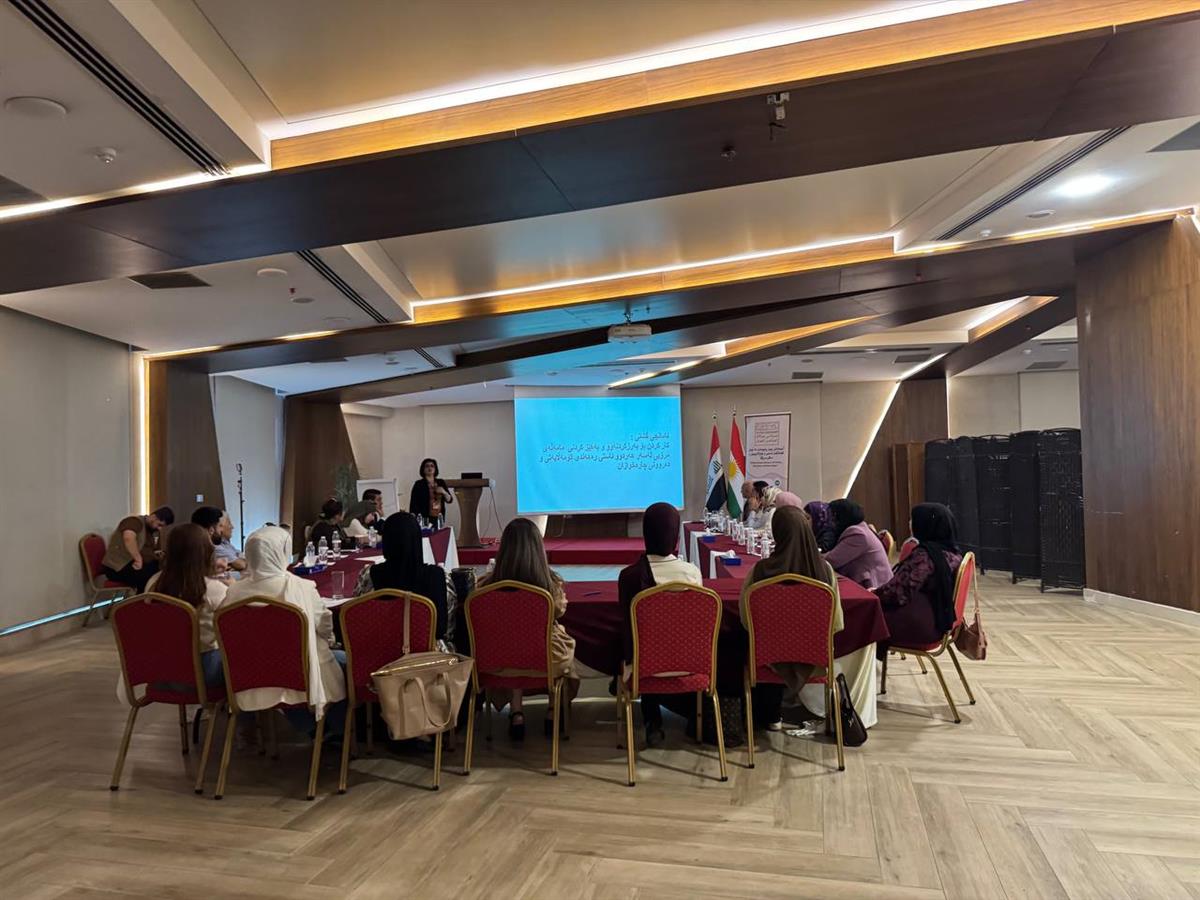
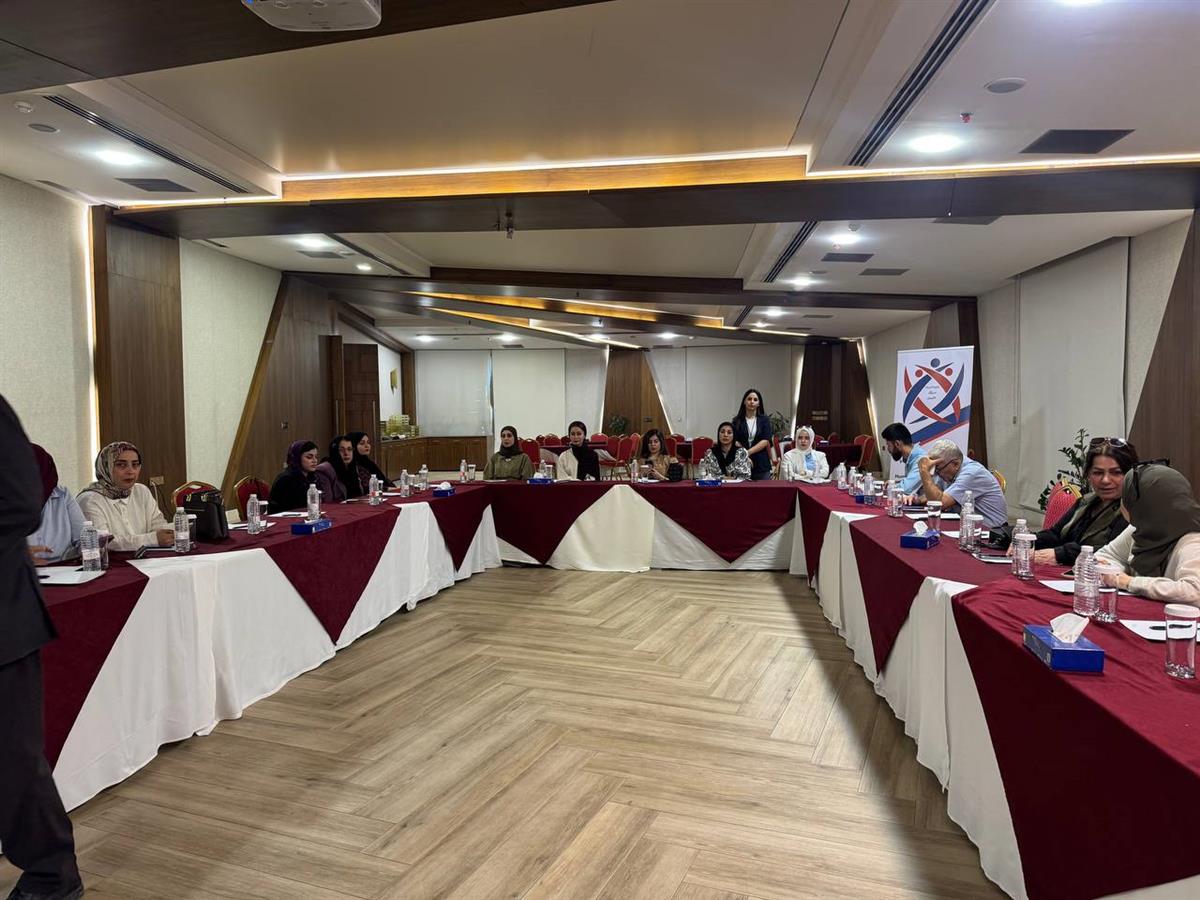
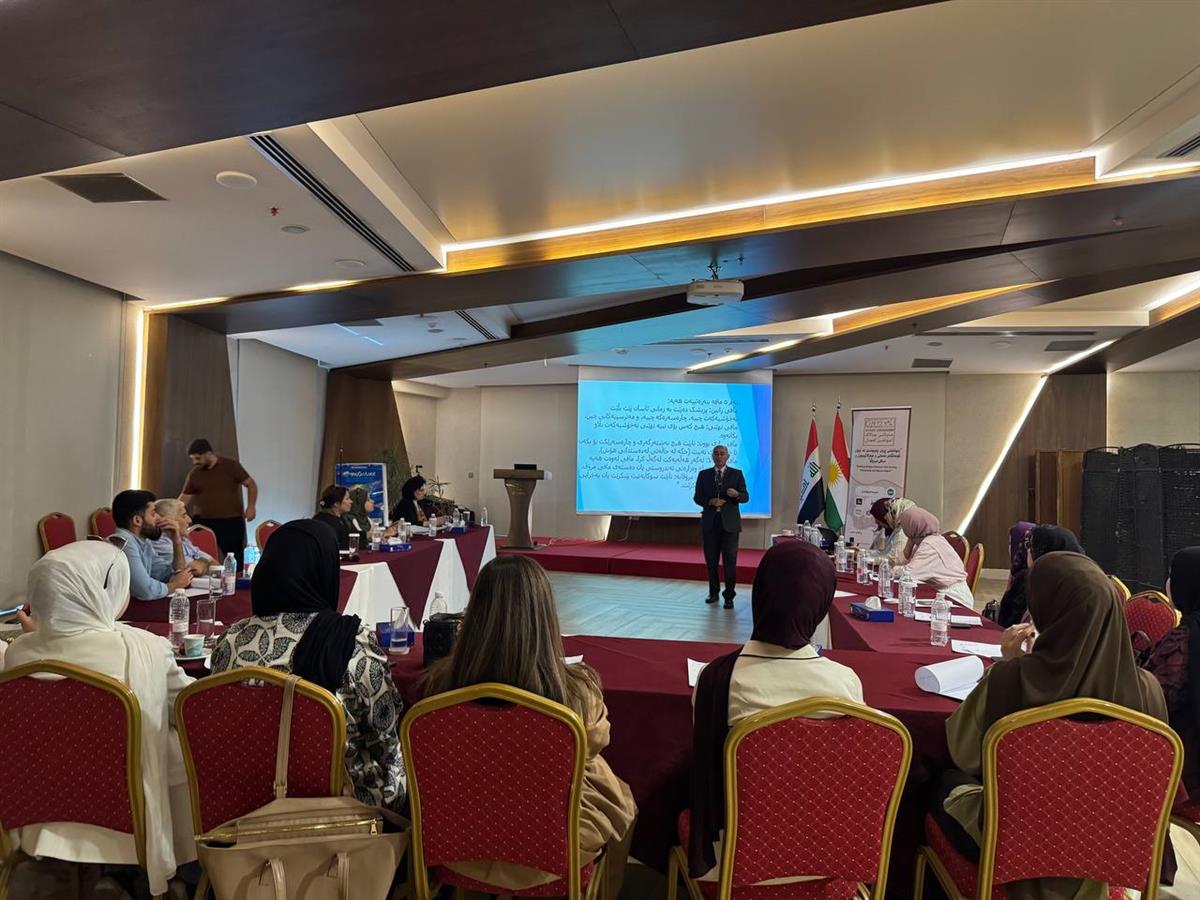
On 19 September 2026, the Human Network for Health and Humanitarian Work (HUMAN), in cooperation with the General Directorate of Health – Sulaymaniyah, organized a roundtable discussion on Medical Professional Conduct and Ethics at the Titanic Hotel in Sulaymaniyah.
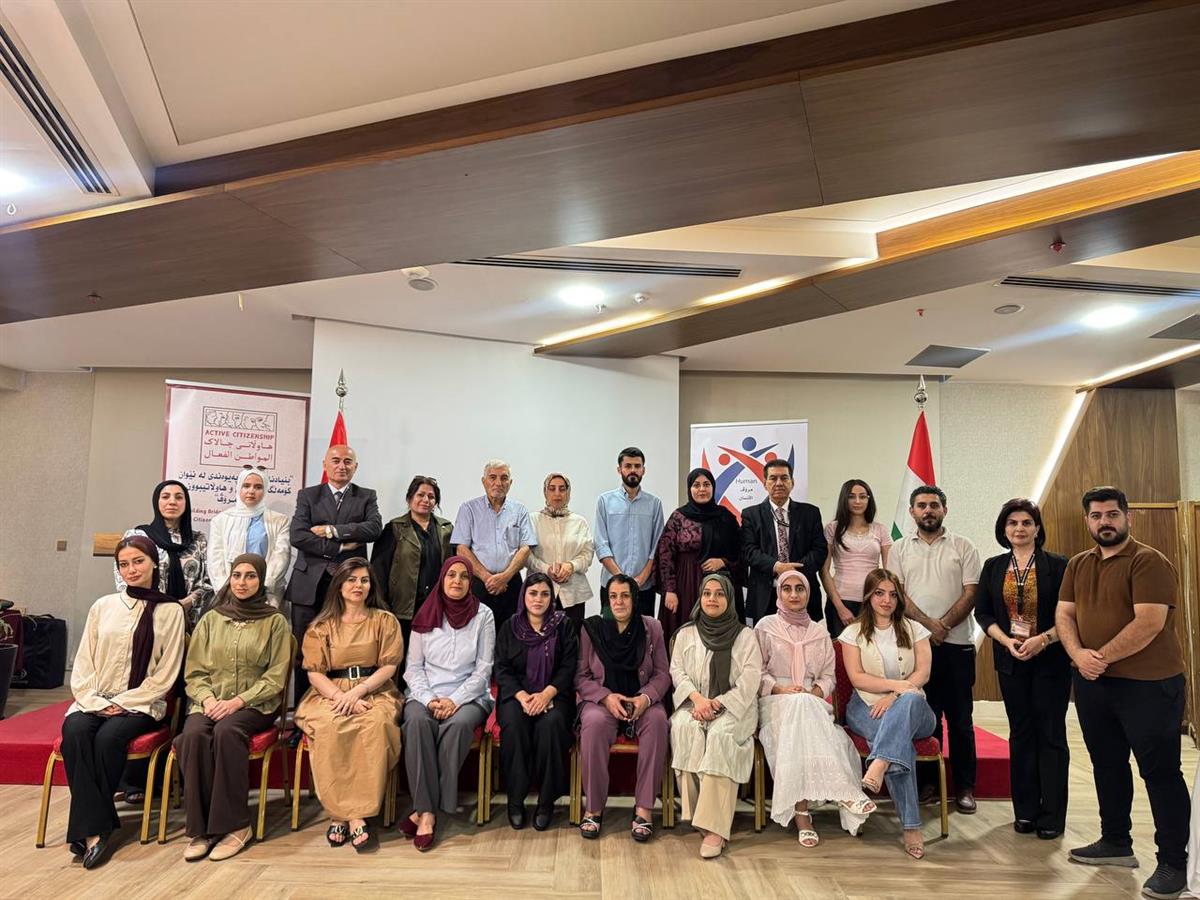
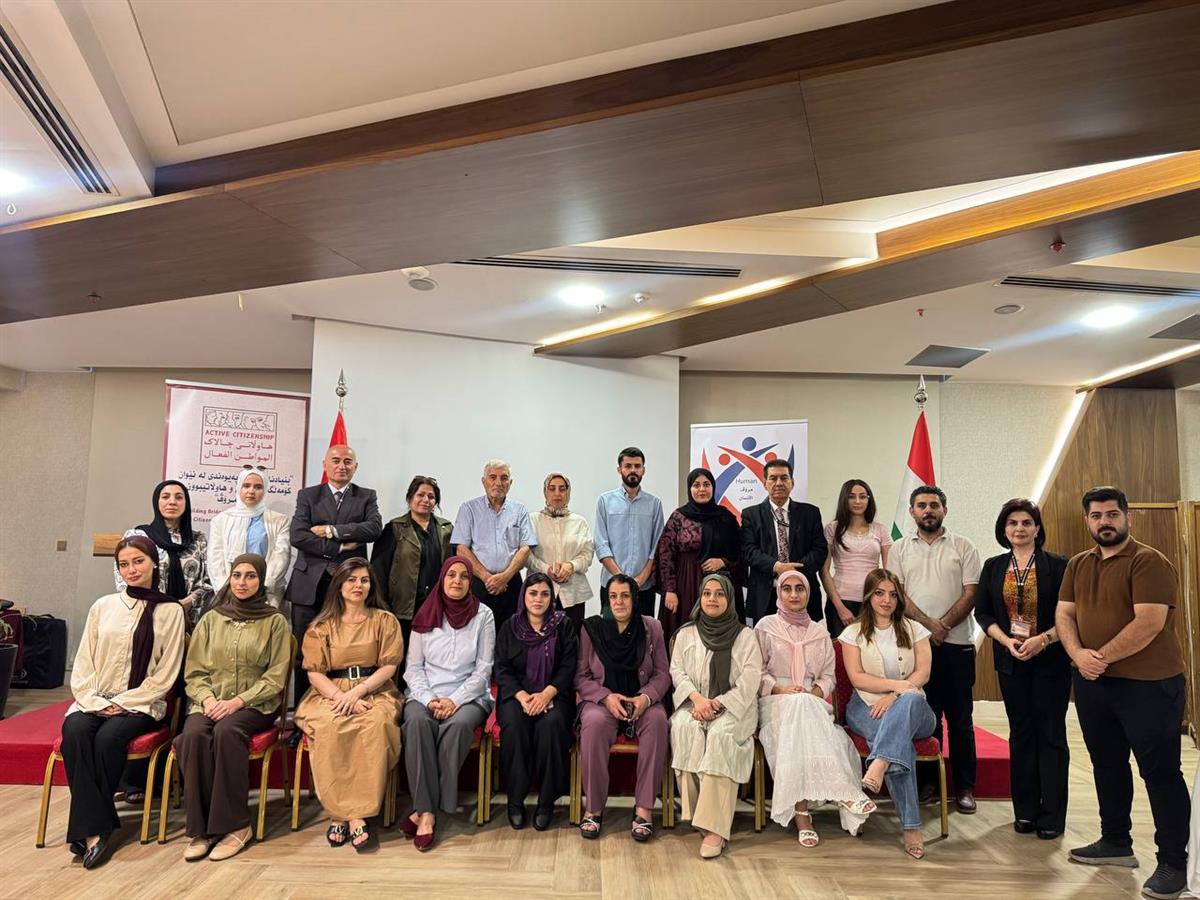
The activity brought together 23 medical and healthcare professionals representing health institutions in Sulaymaniyah to discuss professional conduct, medical ethics, patients’ rights, healthcare workers’ rights and the implementation of relevant laws and regulations governing the health sector.
The roundtable was designed as a participatory platform that combined an awareness-raising session with open discussion and group work. Participants discussed practical challenges in the relationship between healthcare providers and patients, including communication, dignity, confidentiality, professional responsibility, complaints mechanisms, legal protection and the need for a safe working environment for healthcare workers.
Particular attention was given to the importance of implementing relevant legal and regulatory frameworks, including provisions related to patients’ rights, human rights principles and the protection of healthcare professionals.
The discussions demonstrated strong interest among healthcare professionals in strengthening ethical and rights-based approaches to healthcare delivery. Participants emphasized that the existence of laws and regulations needs to be complemented by continuous awareness, practical implementation, institutional procedures, accountability mechanisms and constructive dialogue between healthcare providers, patients and relevant authorities.
The activity concluded with a set of recommendations focusing on professional training, patients’ rights, protection of healthcare workers, implementation of laws and regulations, complaints mechanisms, institutional coordination and follow-up.
2. Background and Context
Healthcare quality is closely linked to the way healthcare professionals interact with patients and to the extent to which health institutions protect the rights and dignity of both patients and healthcare workers.
Medical professionals operate in an environment where they are required to balance professional responsibilities, ethical principles, patients’ needs, institutional procedures and applicable laws and regulations. At the same time, healthcare workers require a safe and respectful working environment and appropriate legal and institutional protection while performing their professional duties.
In this context, HUMAN organized the roundtable to provide a safe and constructive space for healthcare professionals to reflect on professional conduct and ethics and to discuss practical challenges affecting the implementation of patients’ rights and healthcare workers’ rights.
The activity also contributed to HUMAN’s broader work in public health, health rights, community participation, awareness raising and strengthening accountability within health services.
3. Overall Objective
To strengthen awareness and dialogue among healthcare professionals on medical professional conduct, ethical standards, patients’ rights and healthcare workers’ rights, while identifying practical measures to improve implementation of relevant laws, regulations and rights-based approaches within healthcare institutions.
4. Specific Objectives
The activity aimed to:
Increase awareness of professional conduct and medical ethics among healthcare workers.
Promote respectful, dignified and non-discriminatory treatment of patients.
Strengthen understanding of patients’ rights within healthcare institutions.
Increase awareness of the rights and legal protection of healthcare professionals.
Promote the application of human rights principles in healthcare practice.
Identify challenges affecting the implementation of relevant health laws and regulations.
Provide a platform for healthcare professionals to exchange experiences and practical perspectives.
Develop recommendations for strengthening professional conduct and rights-based healthcare.
Encourage cooperation between healthcare institutions, government authorities and civil society organizations.
Establish a basis for future awareness, training and follow-up activities.
5. Participants and Stakeholders
The roundtable was attended by 23 medical and healthcare professionals representing health institutions in Sulaymaniyah.
The participation of healthcare professionals was particularly important because the discussion focused on practical challenges encountered in healthcare settings and on the relationship between professional standards, legal obligations and patients’ rights.
The cooperation of the General Directorate of Health – Sulaymaniyah also provided an important institutional dimension to the activity and strengthened the potential for future follow-up and coordination.
6. Methodology
The activity used a participatory methodology consisting of four interconnected components:
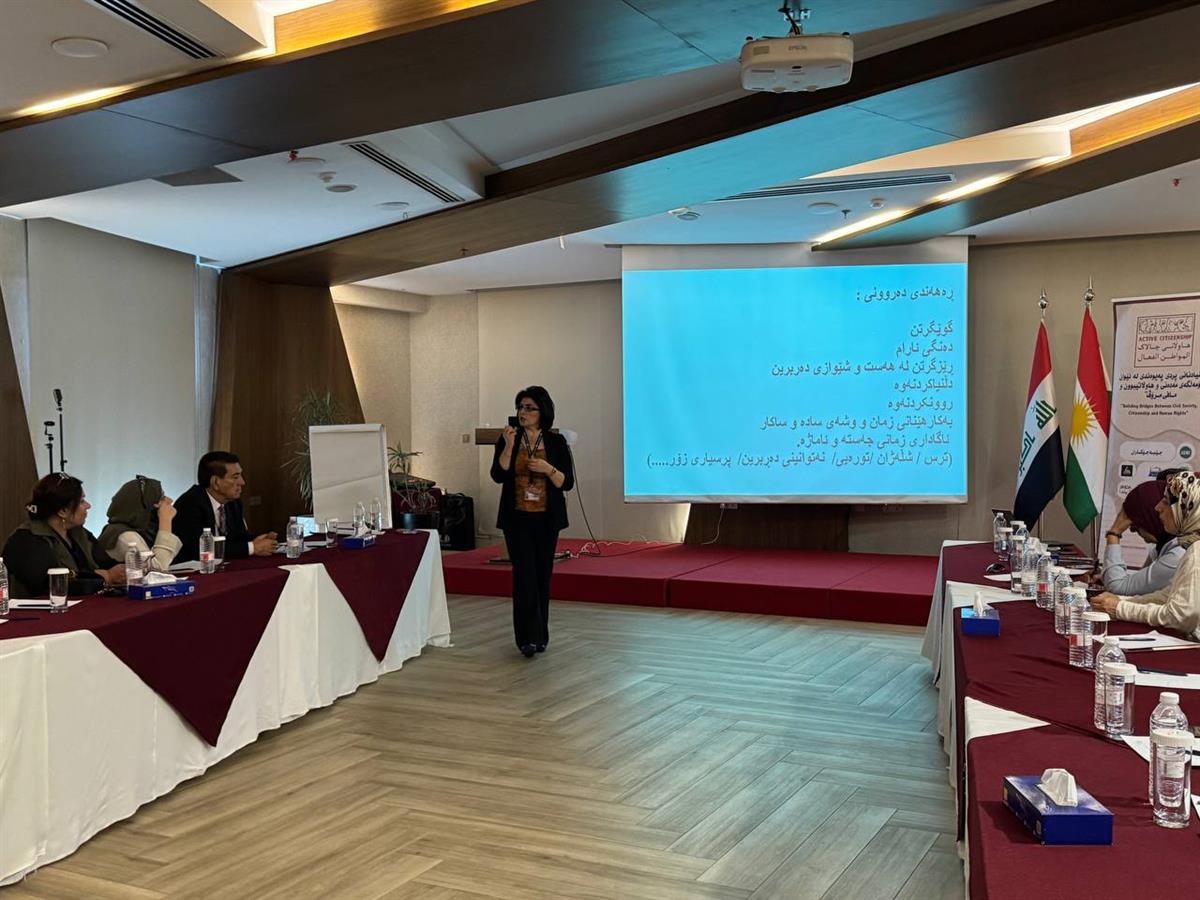
6.1 Awareness-Raising Session
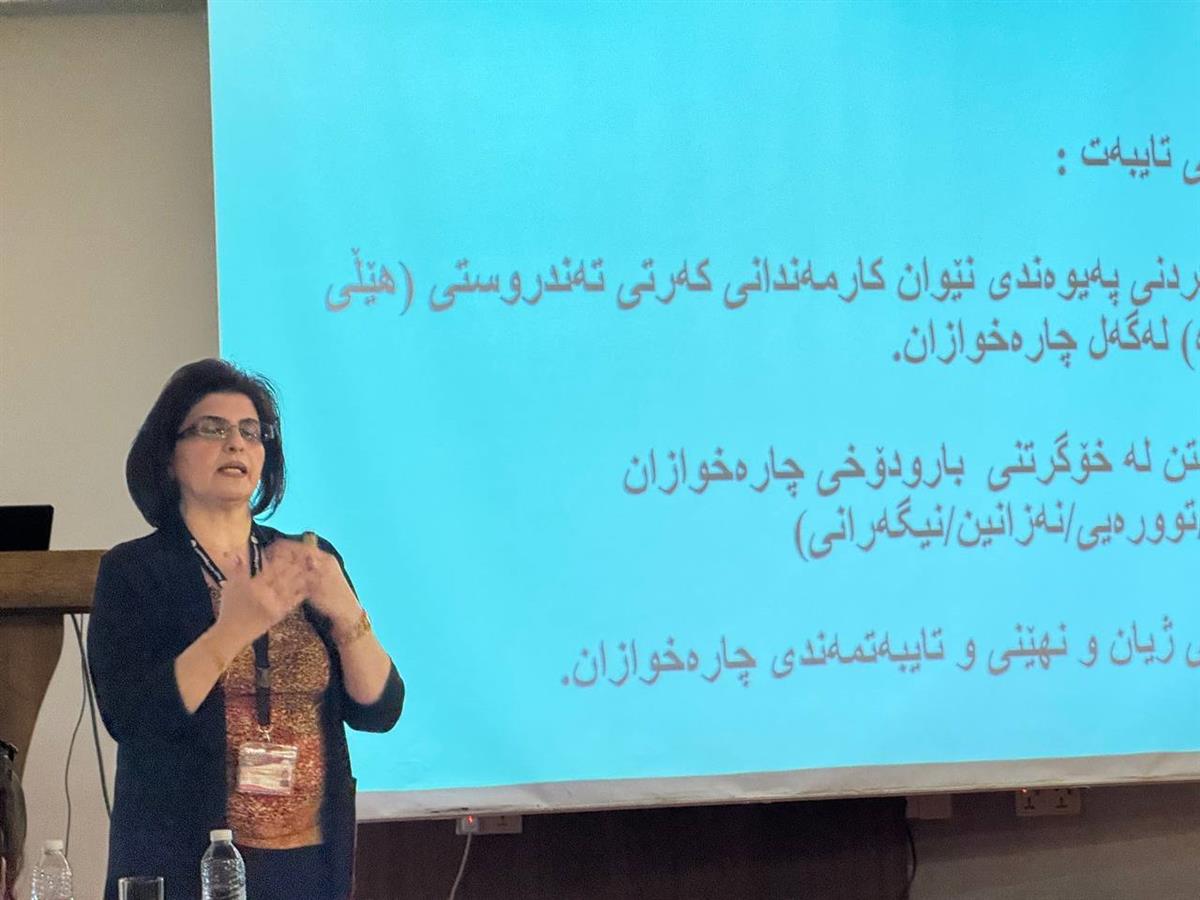
The activity began with an awareness-raising session addressing:
Medical professional conduct.
Medical ethics.
Human rights principles in healthcare.
Patients’ rights.
Healthcare workers’ rights.
Professional responsibilities.
Relevant laws and regulations.
Communication between healthcare providers and patients.
6.2 Open Discussion
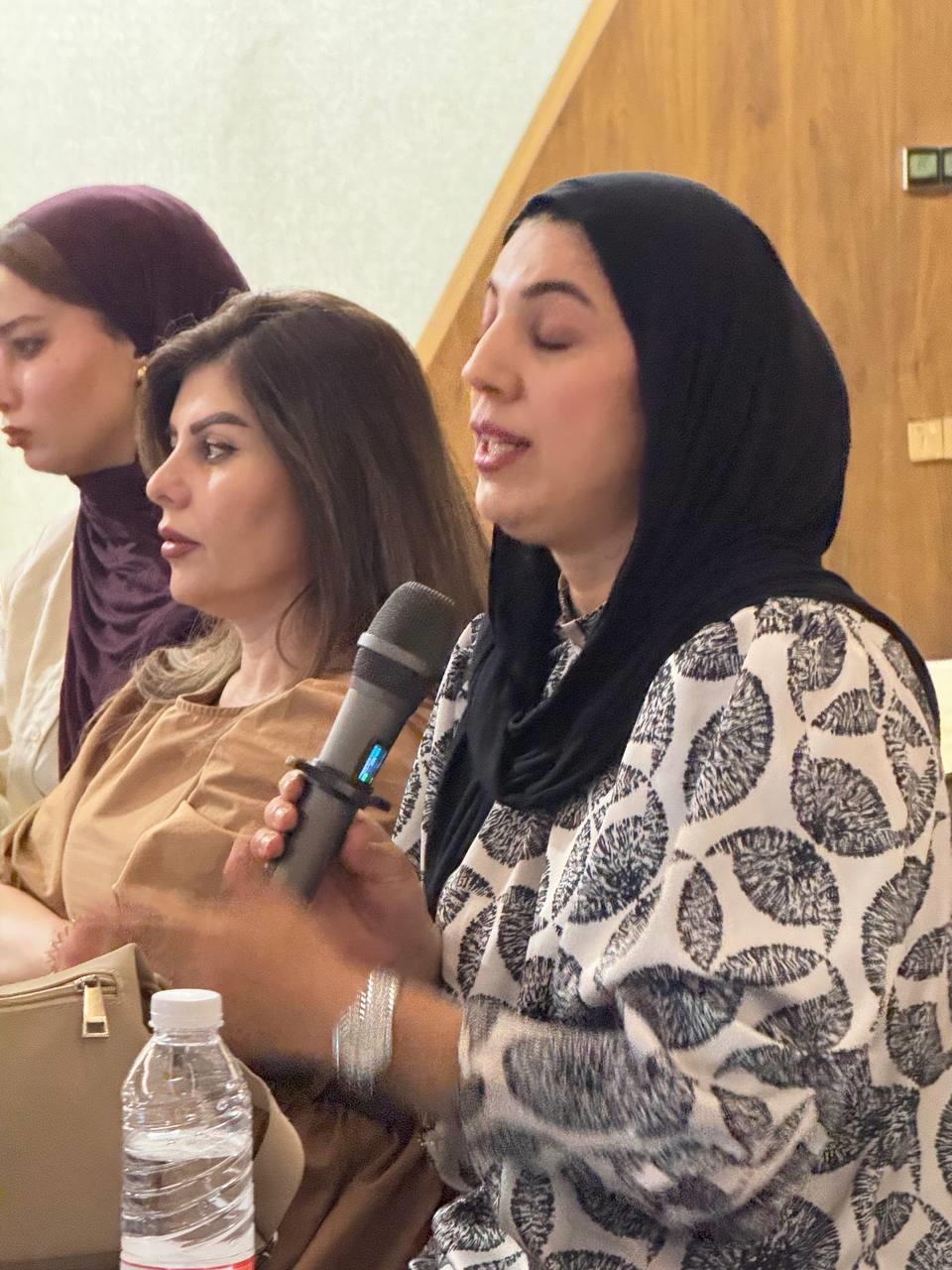
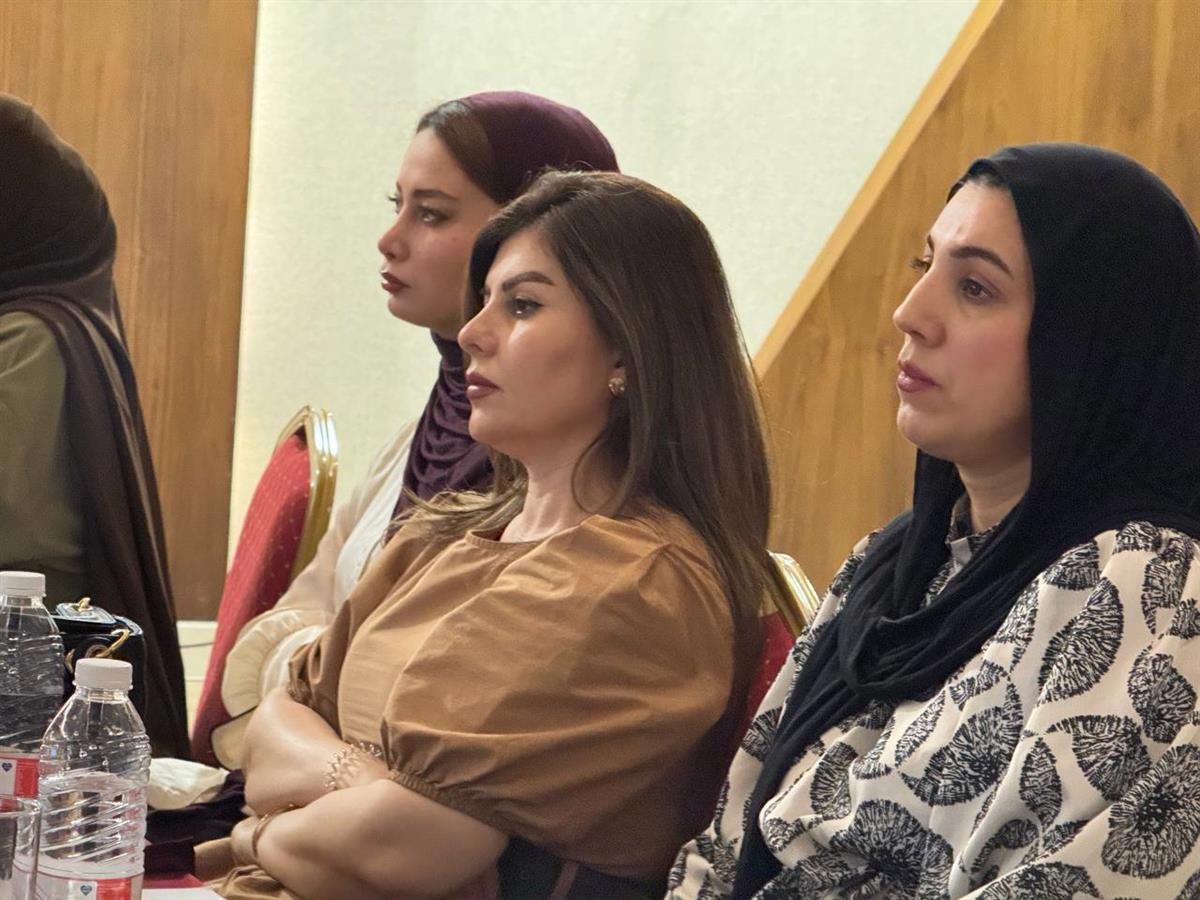
Participants were invited to share their professional experiences, observations and concerns.
The discussion addressed practical issues arising in healthcare institutions, particularly the relationship between healthcare workers and patients and the challenges associated with applying legal and ethical principles in everyday practice.
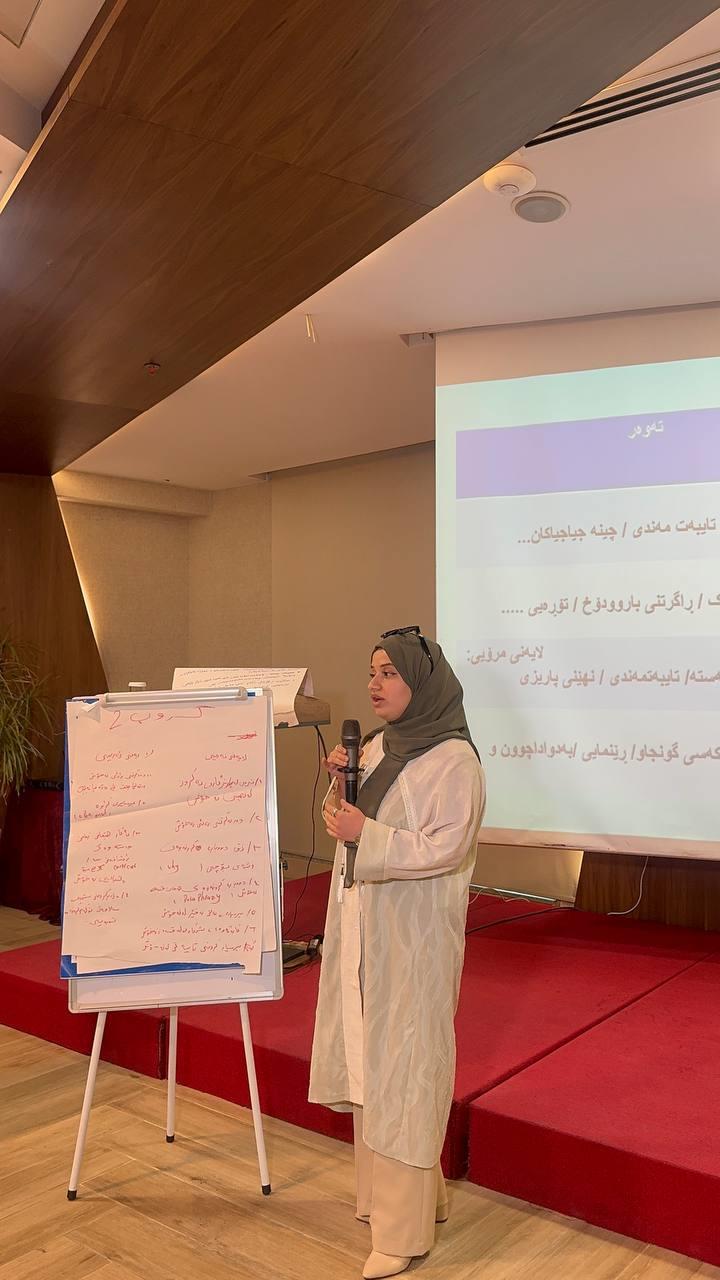
6.3 Group Work
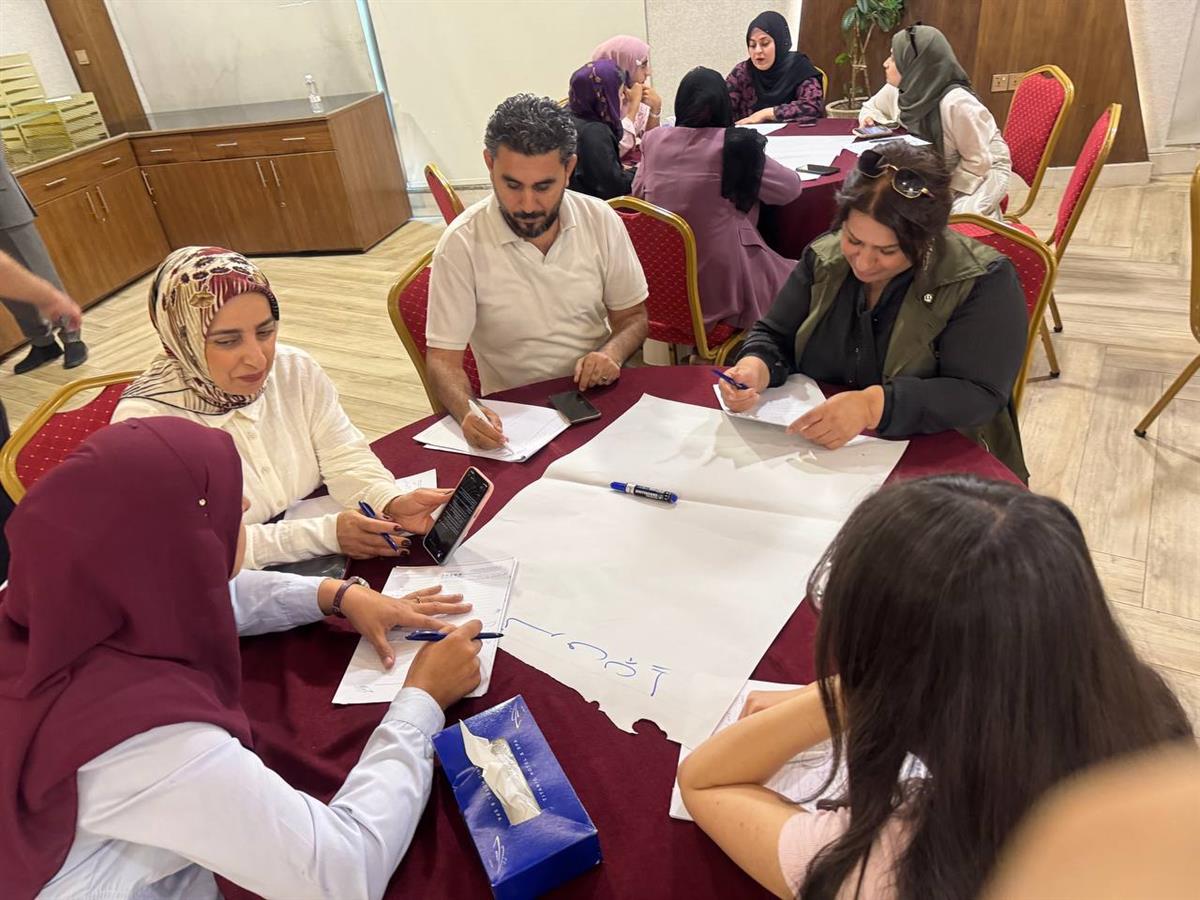
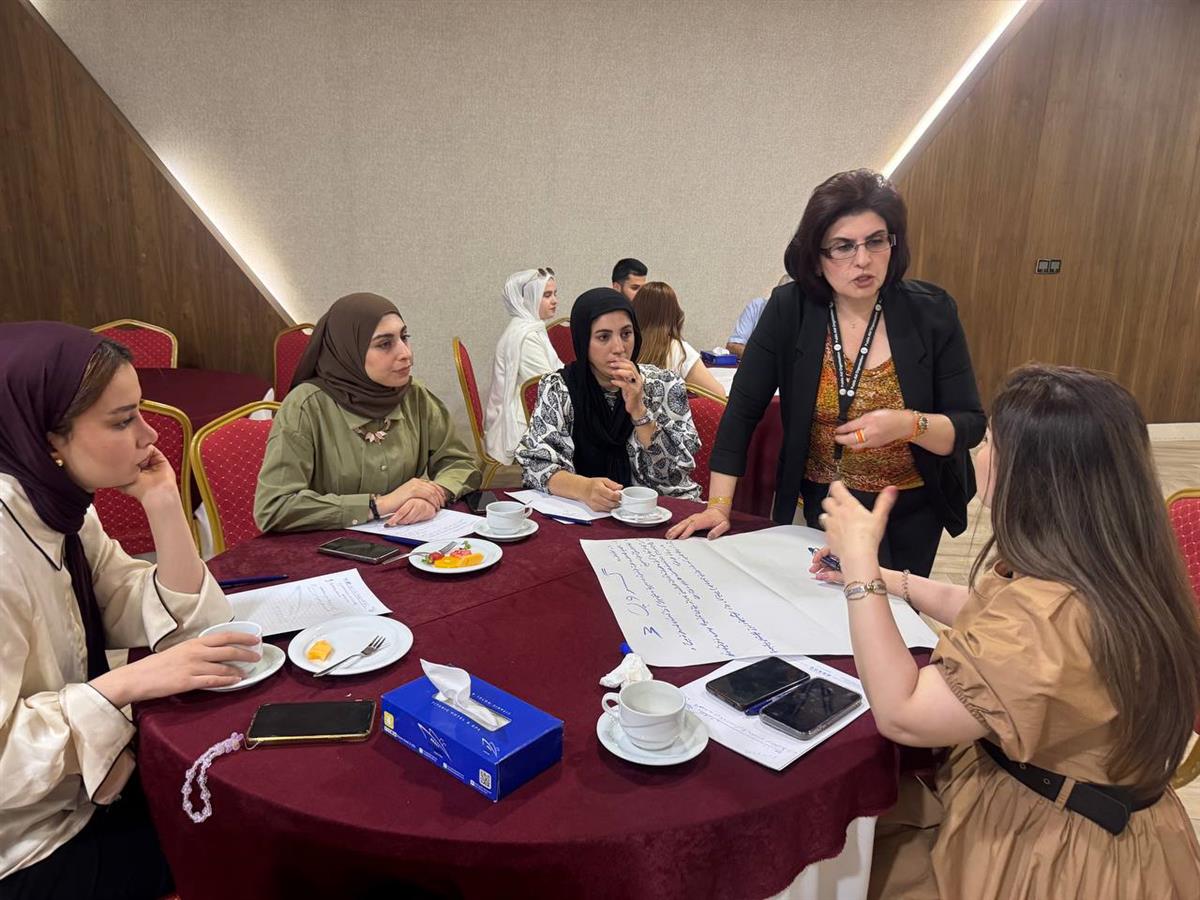
Participants were divided into working groups to identify challenges, possible solutions and recommendations.
The groups considered questions including:
What are the main challenges to professional and ethical conduct in healthcare institutions?
How can patients’ rights be better protected?
How can healthcare workers be better protected?
What prevents effective implementation of relevant laws and regulations?
What measures can health institutions and civil society organizations take to improve awareness and implementation?
6.4 Plenary Feedback and Recommendations
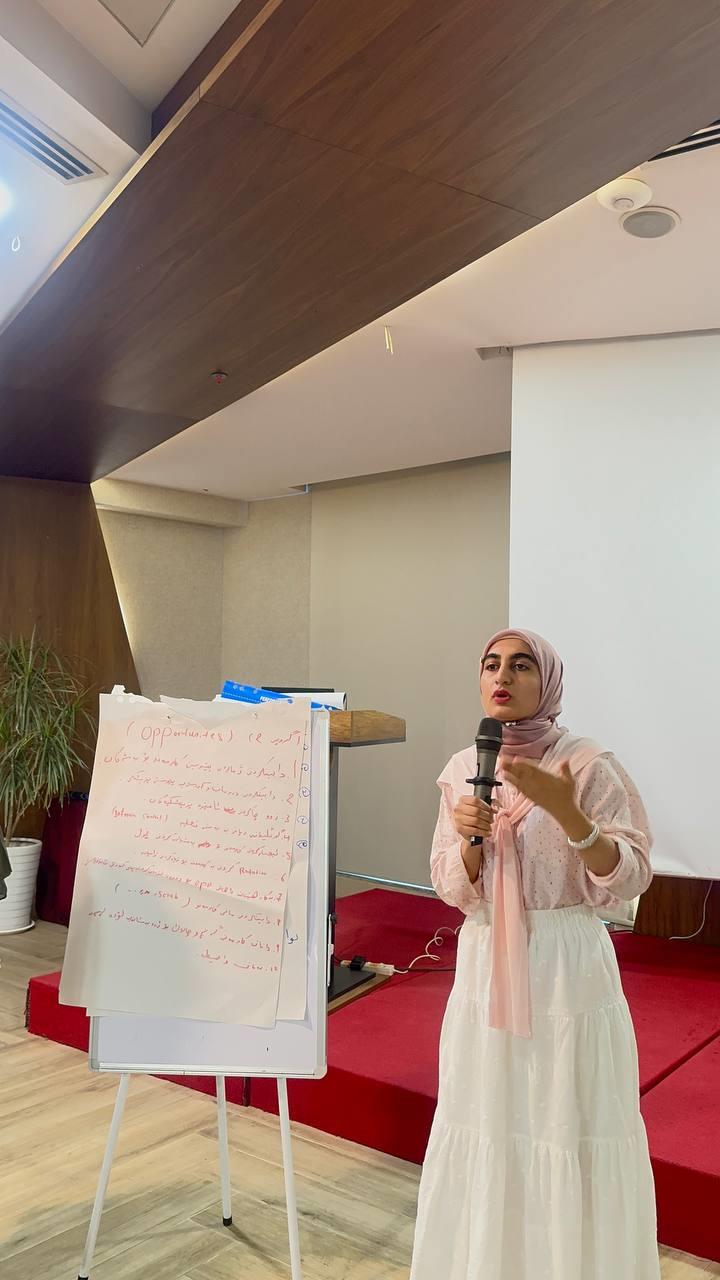
Each group presented its conclusions to the wider group.
The recommendations were then discussed collectively, allowing participants to identify common priorities and practical areas for future action.
7. Key Discussion Areas
7.1 Professional Conduct
Participants emphasized that professional conduct should be reflected not only in clinical competence but also in the way healthcare workers communicate and interact with patients.
The discussion highlighted the importance of:
Respectful communication.
Respect for dignity.
Non-discrimination.
Confidentiality.
Professional responsibility.
Appropriate communication of medical information.
Listening to patients and their concerns.
Respectful interaction with patients’ families.
Maintaining professional boundaries.
7.2 Medical Ethics
The discussion emphasized the role of ethical principles in everyday healthcare practice.
Key principles discussed included:
Respect for human dignity.
Patient welfare.
Avoidance of harm.
Fairness and equality.
Confidentiality.
Accountability.
Integrity.
Professional responsibility.
Respect for colleagues and other healthcare workers.
Participants stressed that ethical principles need to be translated into practical institutional procedures and professional behavior.
7.3 Patients’ Rights
Participants discussed the importance of ensuring that patients are treated with dignity and respect and are able to understand their rights within healthcare institutions.
Key areas included:
Access to appropriate healthcare.
Respectful treatment.
Privacy and confidentiality.
Access to relevant information.
Participation in decisions concerning their care, within applicable legal and professional frameworks.
Non-discrimination.
Access to appropriate complaints and feedback mechanisms.
7.4 Protection of Healthcare Workers
Participants emphasized that protecting patients’ rights should be accompanied by protection of healthcare workers.
A safe working environment was identified as an important factor contributing to the quality and continuity of healthcare services.
Discussion areas included:
Protection from verbal and physical abuse.
Safe working conditions.
Awareness of legal rights and responsibilities.
Institutional procedures for managing conflicts.
Legal and professional support.
Improved communication with patients and families.
Prevention and management of workplace violence.
8. Key Findings
The participatory discussions identified several important findings.
Finding 1: Awareness needs to be strengthened
There is a continuing need for regular awareness-raising and professional development on medical ethics, patients’ rights and healthcare workers’ rights.
Finding 2: Laws need practical implementation
Participants emphasized that the existence of laws and regulations alone does not guarantee effective protection of rights. Implementation requires awareness, institutional procedures, monitoring and accountability.
Finding 3: Communication is critical
Effective and respectful communication between healthcare professionals, patients and families is essential for building trust and reducing misunderstandings and conflict.
Finding 4: Patients’ rights and healthcare workers’ rights are interconnected
Participants highlighted the importance of protecting both sides of the healthcare relationship. Respect for patients’ rights should be accompanied by appropriate protection and support for healthcare professionals.
Finding 5: Complaints mechanisms require attention
Clear, accessible and professional mechanisms for receiving and addressing complaints can contribute to resolving problems before they escalate and can strengthen institutional accountability.
Finding 6: Continuous dialogue is needed
Participants identified value in creating regular opportunities for healthcare professionals and relevant institutions to discuss challenges and identify practical solutions.
9. Key Outputs
The activity generated the following immediate outputs:
23 healthcare professionals participated in the roundtable.
One structured awareness-raising session was conducted.
An open professional dialogue was facilitated.
Participatory group work was conducted.
Experiences and challenges were shared among healthcare professionals.
Patients’ rights and healthcare workers’ rights were discussed together.
Practical recommendations were developed.
Areas for future cooperation and follow-up were identified.
10. Recommendations
Based on the discussions and group work, participants developed the following recommendations:
A. Training and Capacity Building
Organize regular training sessions on medical professional conduct and ethics.
Integrate human rights and patients’ rights into continuing professional development.
Provide healthcare workers with regular updates on relevant laws and regulations.
Develop practical guidance materials on professional conduct and ethical behavior.
Promote communication and conflict-management skills among healthcare professionals.
B. Patients’ Rights
Strengthen awareness of patients’ rights within healthcare institutions.
Ensure that patients are treated with dignity and without discrimination.
Strengthen protection of patient privacy and confidentiality.
Improve communication between healthcare providers and patients.
Establish or strengthen accessible mechanisms for patient feedback and complaints.
C. Protection of Healthcare Workers
Increase awareness among healthcare workers of their legal and professional rights.
Strengthen institutional measures to protect healthcare workers from violence, threats and abuse.
Promote safe and respectful working environments.
Establish clear procedures for managing disputes between healthcare workers and patients or their families.
Strengthen institutional and legal support mechanisms for healthcare professionals.
D. Implementation of Laws and Regulations
Promote practical implementation of laws and regulations concerning patients’ rights and healthcare workers’ protection.
Identify institutional and practical barriers affecting implementation.
Strengthen coordination between health institutions and relevant authorities.
Increase awareness of applicable legal frameworks among healthcare professionals.
Encourage periodic institutional review of practices related to patients’ rights and professional conduct.
E. Accountability and Follow-up
Establish regular dialogue between health institutions, healthcare professionals and civil society organizations.
Develop mechanisms for monitoring progress on patients’ rights and healthcare workers’ protection.
Conduct follow-up meetings to review implementation of the recommendations.
Document good practices and lessons learned for replication in other healthcare institutions.
Continue cooperation between HUMAN and relevant health authorities on health rights and professional ethics.
11. Expected Longer-Term Outcomes
The activity is expected to contribute to the following longer-term outcomes:
Increased awareness of medical ethics and professional conduct.
Improved understanding of patients’ rights.
Increased awareness of healthcare workers’ rights and protections.
Improved communication between healthcare providers and patients.
Greater attention to dignity, privacy and non-discrimination in healthcare settings.
Strengthened dialogue between healthcare institutions and civil society.
Increased attention to implementation of relevant laws and regulations.
Improved institutional mechanisms for managing complaints and disputes.
A stronger rights-based approach to healthcare service delivery.
12. Follow-Up and Sustainability
HUMAN proposes to continue engagement with relevant health authorities and healthcare institutions following the roundtable.
Potential follow-up actions include:
Sharing the final recommendations with the General Directorate of Health – Sulaymaniyah.
Organizing additional training sessions on medical professional conduct and ethics.
Developing awareness materials for healthcare professionals and patients.
Conducting follow-up discussions with participating healthcare professionals.
Identifying institutional challenges requiring further dialogue with relevant authorities.
Monitoring progress on selected recommendations.
Documenting lessons learned and good practices.
Exploring opportunities for joint initiatives between HUMAN and health institutions.
These follow-up actions will help ensure that the activity contributes to practical institutional improvements rather than remaining a one-time awareness event.
13. Contribution to HUMAN’s Strategic Work
The activity is consistent with HUMAN’s broader commitment to:
Public health promotion.
Health and human rights.
Patient rights.
Community participation.
Awareness raising.
Professional capacity development.
Accountability in health services.
Protection of vulnerable groups.
Cooperation with public institutions and civil society organizations.
The roundtable also provides a platform for HUMAN to strengthen its engagement with healthcare professionals and institutions and to contribute to constructive dialogue around health rights and professional standards.
14. Lessons Learned
The activity demonstrated several lessons that can inform future programming:
1. Participatory dialogue is valuable:
Healthcare professionals benefit from having a structured space to openly discuss practical challenges.
2. Legal awareness should be linked to practice:
Training is more effective when legal principles are connected to real situations encountered in healthcare institutions.
3. Rights should be addressed comprehensively:
Patients’ rights and healthcare workers’ rights should be considered together as complementary elements of a safe and effective healthcare system.
4. Follow-up is essential:
Recommendations require clear follow-up mechanisms and engagement with responsible institutions.
5. Partnerships strengthen impact:
Cooperation between civil society organizations and public health authorities creates opportunities for more sustainable outcomes.
15. Conclusion
The Roundtable on Medical Professional Conduct and Ethics, organized by HUMAN in cooperation with the General Directorate of Health – Sulaymaniyah, provided an important platform for 23 healthcare professionals to discuss professional ethics, patients’ rights, healthcare workers’ rights and the practical implementation of relevant laws and regulations.
The activity successfully combined awareness raising, professional dialogue and participatory group work. The active participation of healthcare professionals demonstrated the relevance of the topic and the importance of creating continued opportunities for dialogue.
The discussions highlighted that improving healthcare quality requires more than clinical knowledge. It also requires professional ethics, respect for human dignity, effective communication, protection of patients’ rights, protection of healthcare workers and practical implementation of legal and institutional frameworks.
HUMAN will seek to build on the outcomes of this activity through continued awareness raising, capacity development, dialogue and cooperation with health authorities and other relevant stakeholders.