the Implementation of a Set of Activities and Events in Raparin Administration( (Rania and qaladze))
2026-07-23
the Implementation of a Set of Activities and Events
Human Network For Health and Humanitarian Affairs ( HUMAN )
Date: 20 July 2026
Location: Raparin Administration( (Ranya and qaladze))
In line with its mission to enhance health and humanitarian services and to strengthen partnerships with government institutions and civil society organizations, the HUMAN Network for Health and Humanitarian Work carried out, on 20 July 2026, a set of important activities and events in the Raparin Autonomous Administration. These included coordination meetings, field visits, and training programs, with the aim of supporting the health sector, promoting institutional cooperation, and building the capacities of health personnel.
First: Visit to the Patriotic Union Center
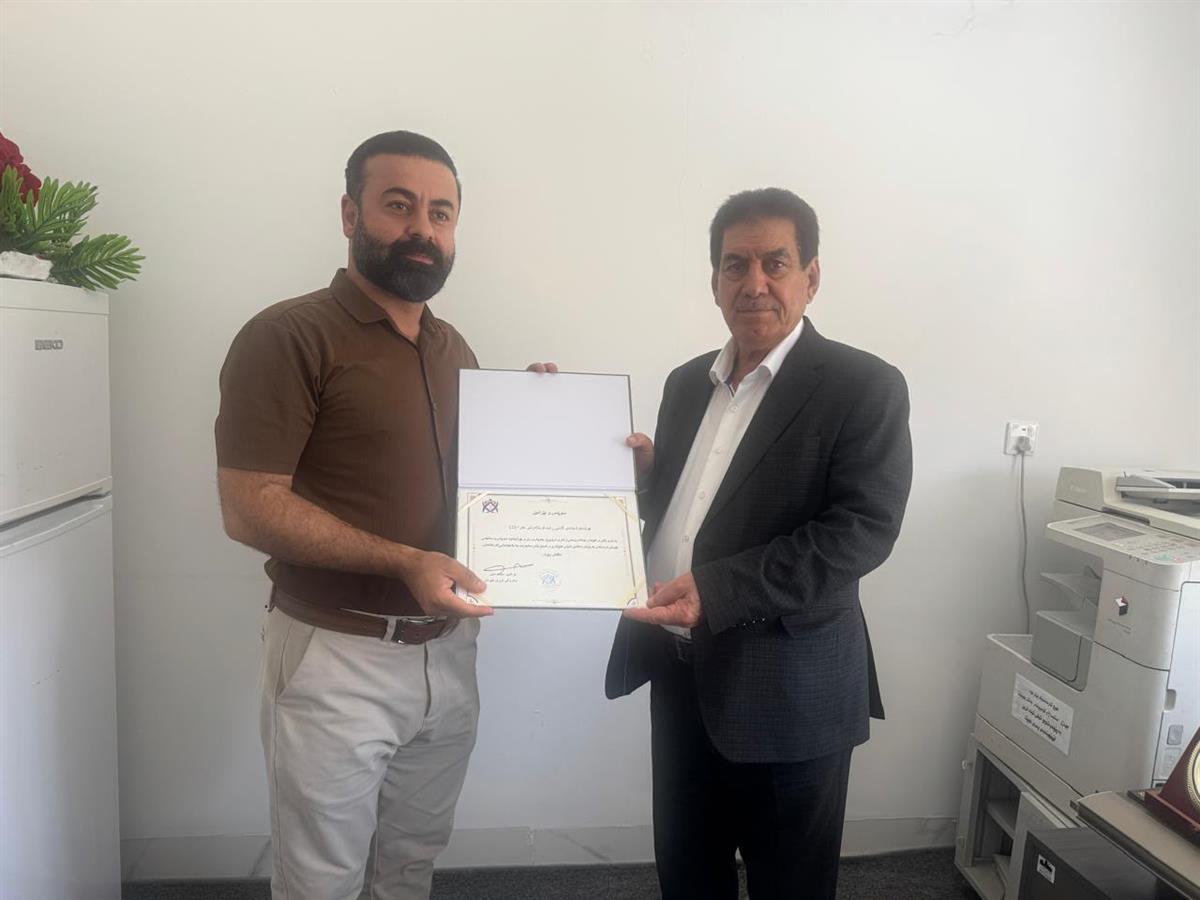
The HUMAN Network delegation began its visit with a meeting at the Patriotic Union of Kurdistan Center in the area, where it met with Mr. Haider, the center’s official, along with representatives of civil society organizations and the network of organizations operating in the region.
The meeting featured a productive discussion on the current state of humanitarian and health work, as well as ways to enhance coordination between official institutions and civil society organizations, in a manner that contributes to improving the level of services provided to citizens.
The attendees also praised the role played by the HUMAN Network in implementing health and humanitarian programs, emphasizing the importance of continuing cooperation and joint coordination to carry out initiatives and projects that serve the community and respond to its needs.
Second: Meeting with the Health Committee in Raparin Administration
The network delegation held a meeting with the Health Committee in the Raparin Autonomous Administration, during which the latest developments related to the health sector in the region were reviewed, and the main challenges facing the delivery of health services were discussed.
The discussions focused on establishing practical mechanisms to overcome obstacles and strengthen coordination among the relevant parties, in order to improve the quality of health services and enhance the speed of response to citizens’ needs, while emphasizing the importance of continuing regular meetings and exchanging expertise among all concerned entities.
Third: Conducting a Training Course for Staff of the Emergency Ambulance Department
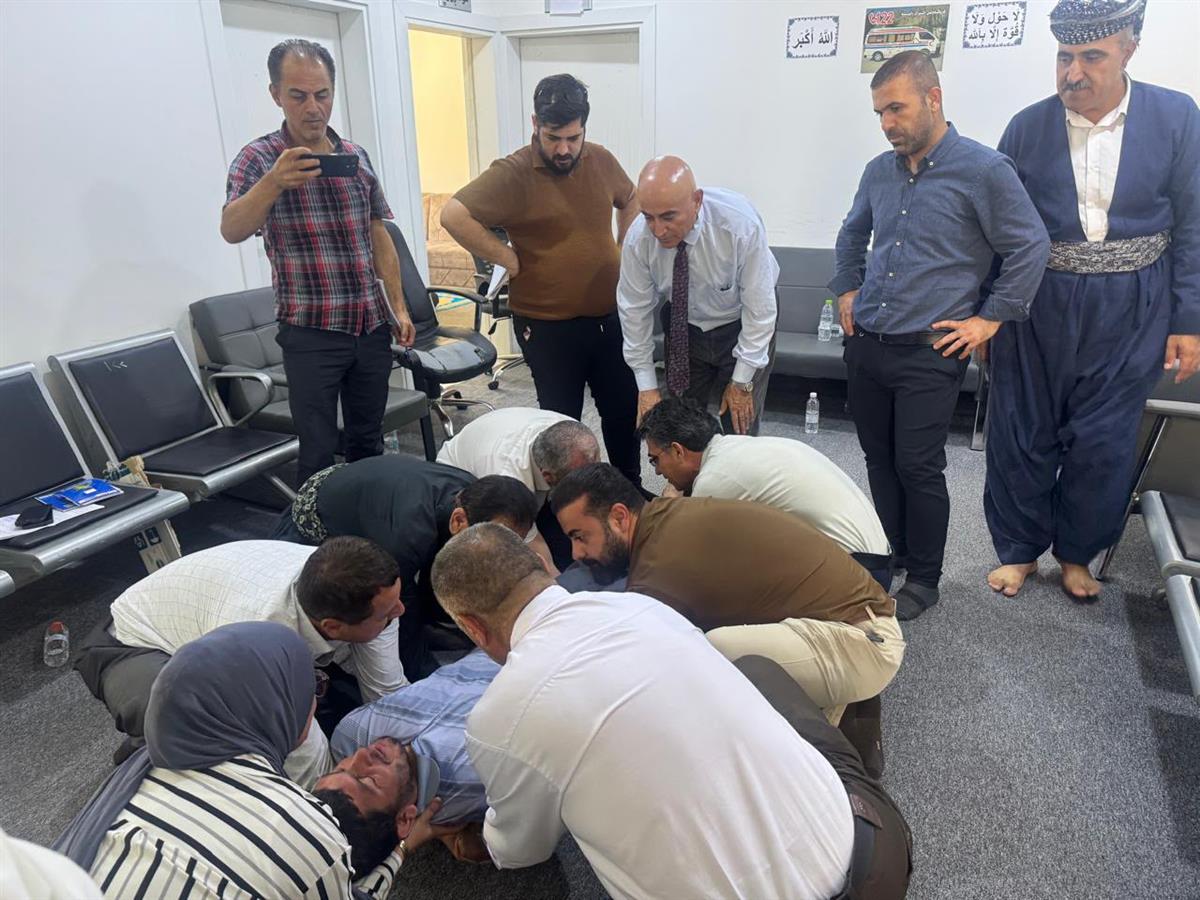
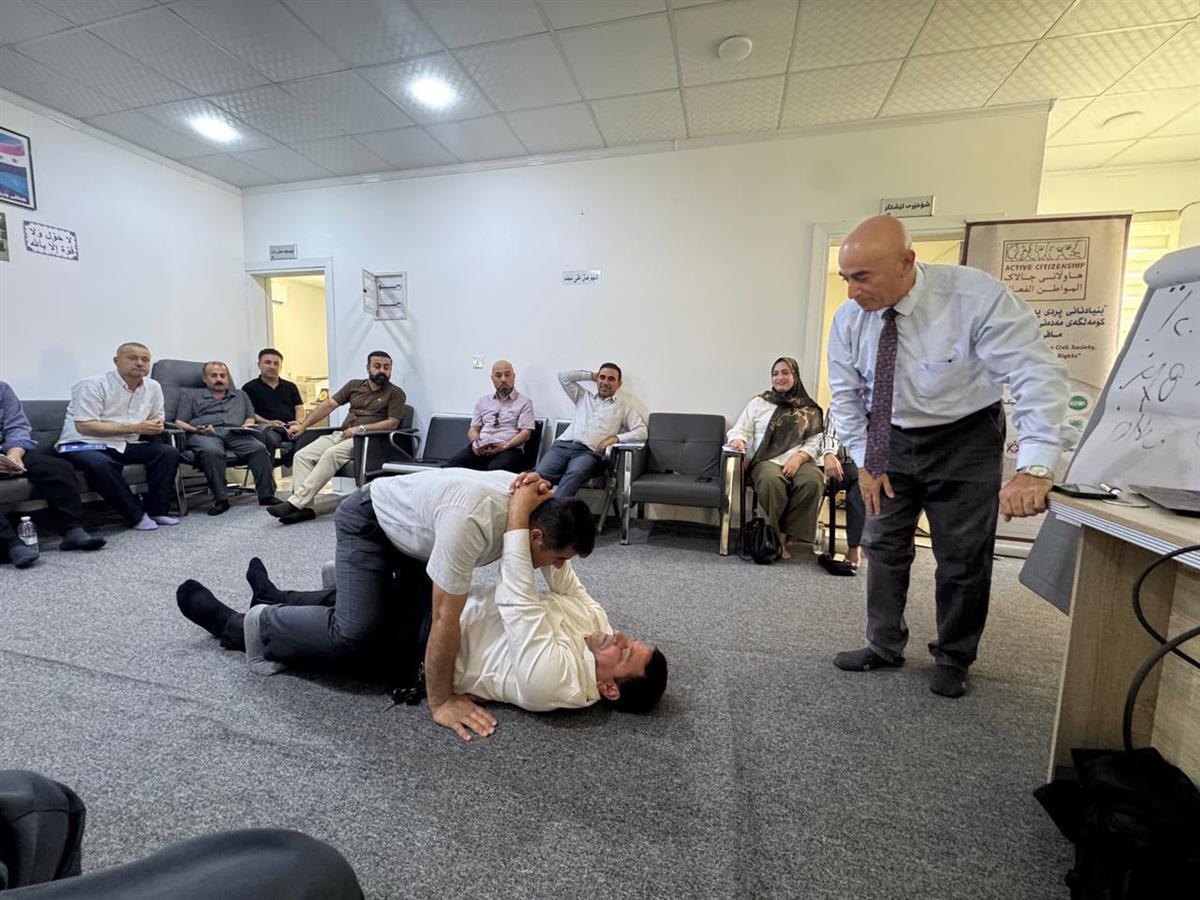
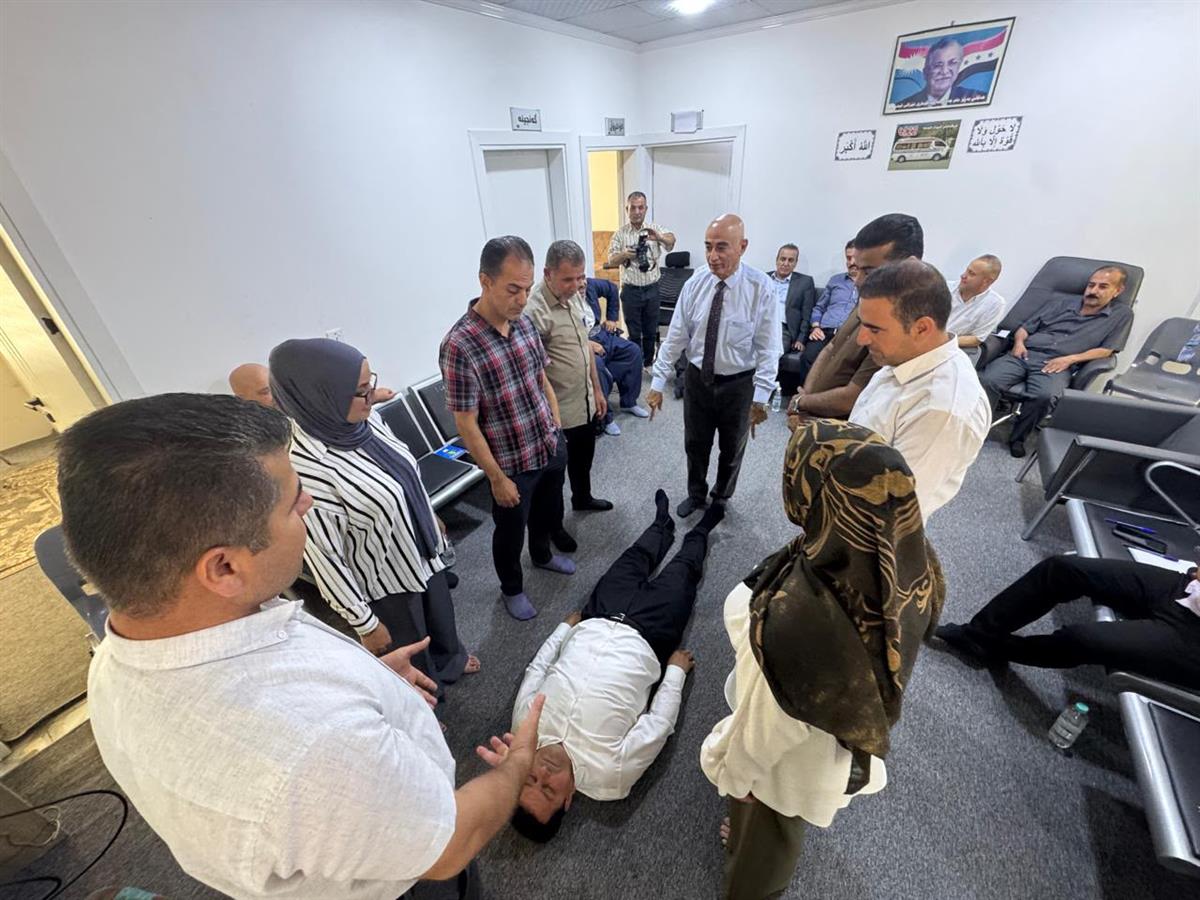
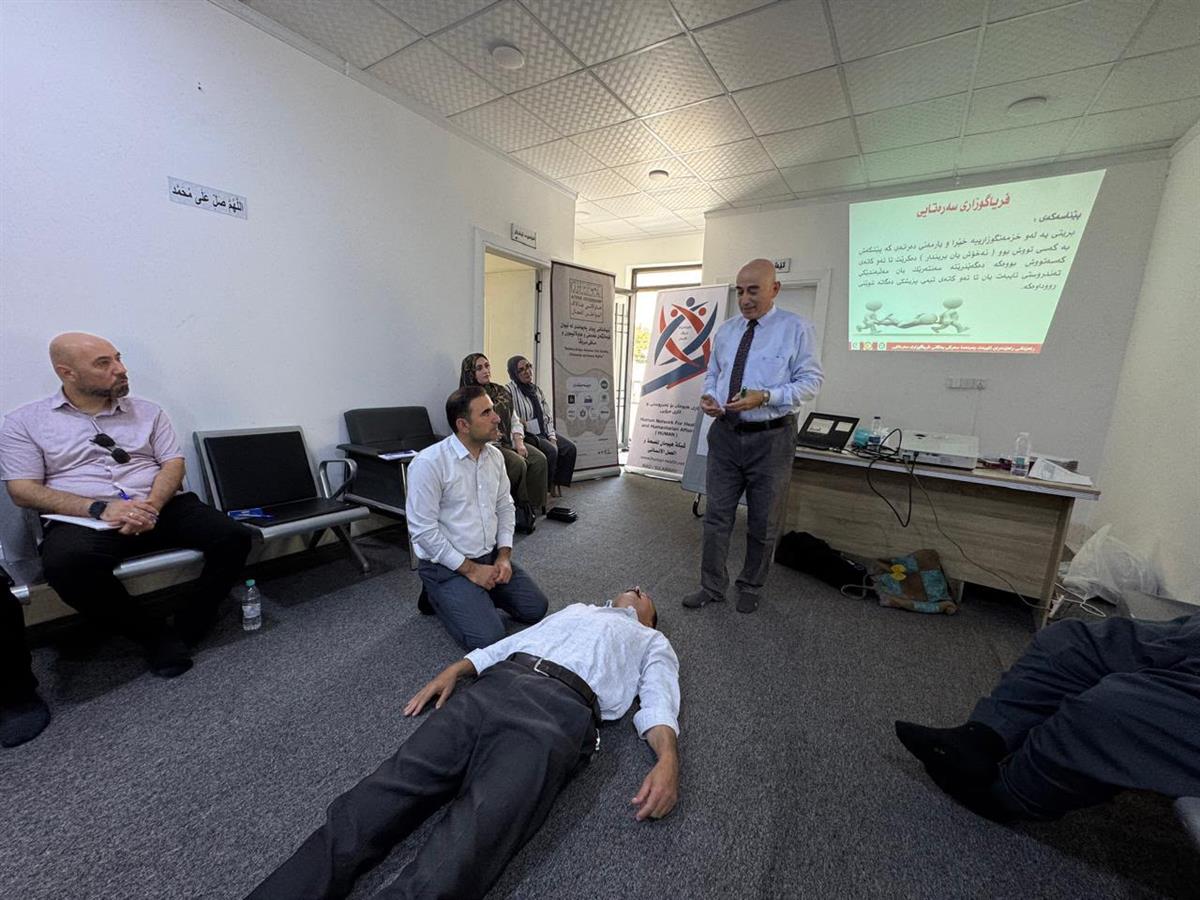
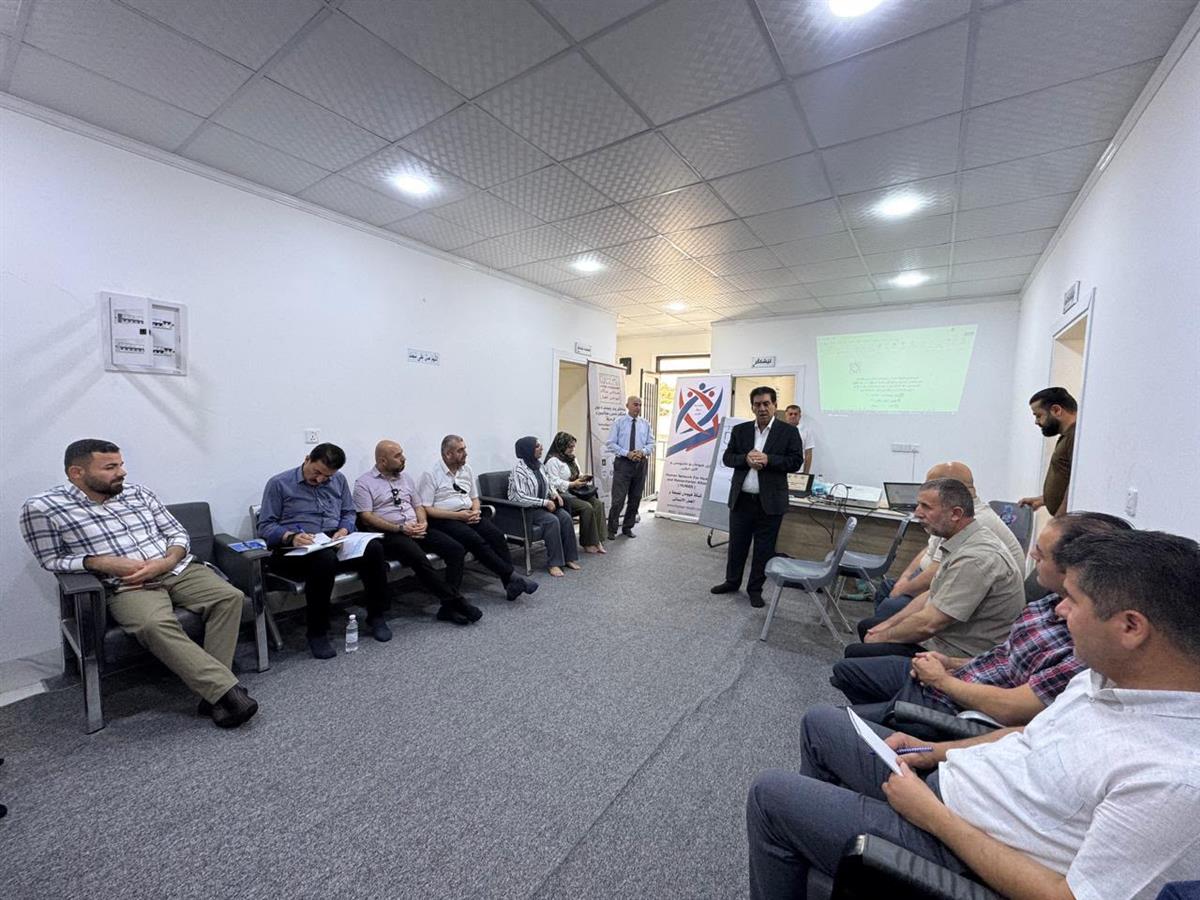
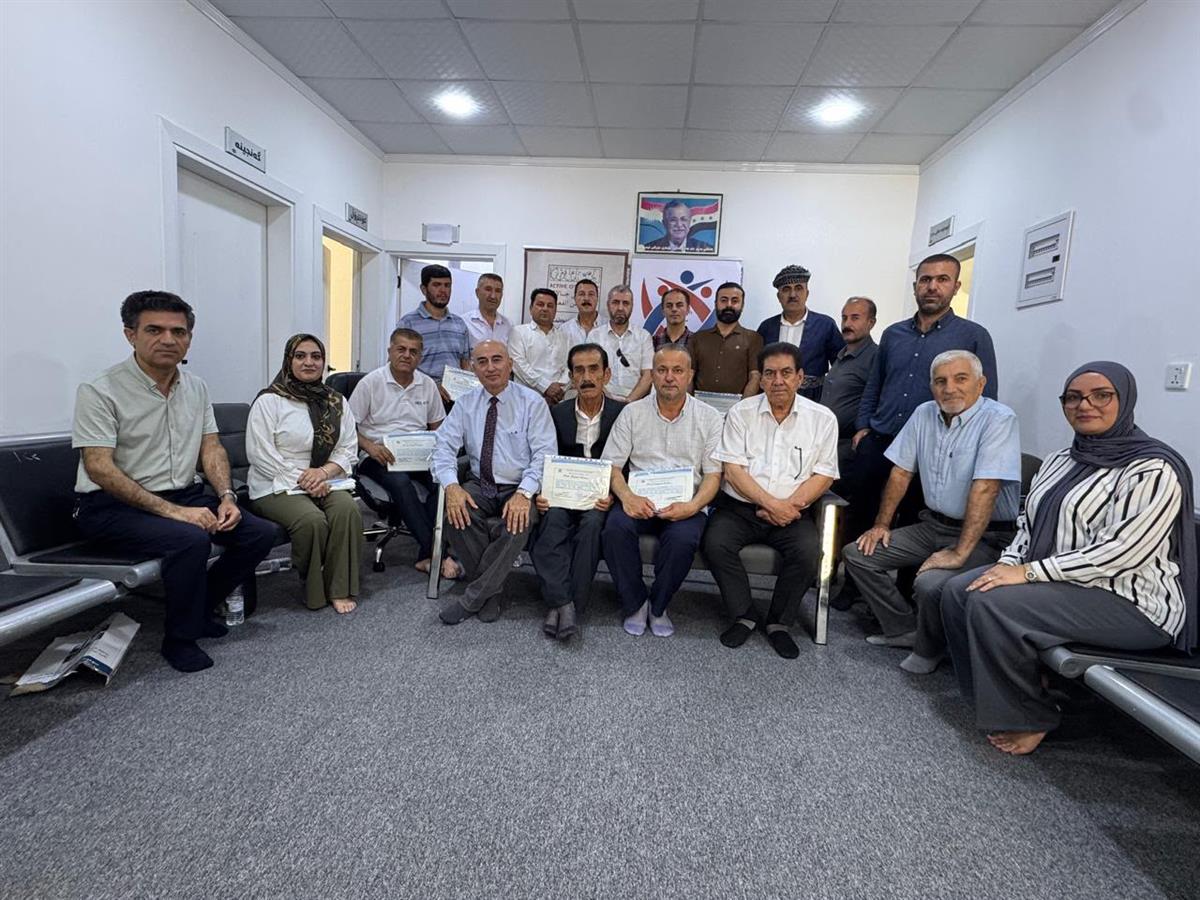
As part of ongoing cooperation with the General Directorate of Health, and in accordance with prior agreement and with the approval of the Director General of Health, the HUMAN Network organized a specialized training course targeting staff of the Emergency Ambulance Department.
The course aimed to develop participants’ skills and improve their readiness to deal with various emergency cases. It included the following topics:
* Basic principles for dealing with accidents and different types of injuries.
* Initial assessment procedures for the injured and case triage.
* Safe transportation methods for patients in accordance with medical standards.
* First aid skills and rapid intervention techniques.
* Practical applications and field exercises to reinforce theoretical skills.
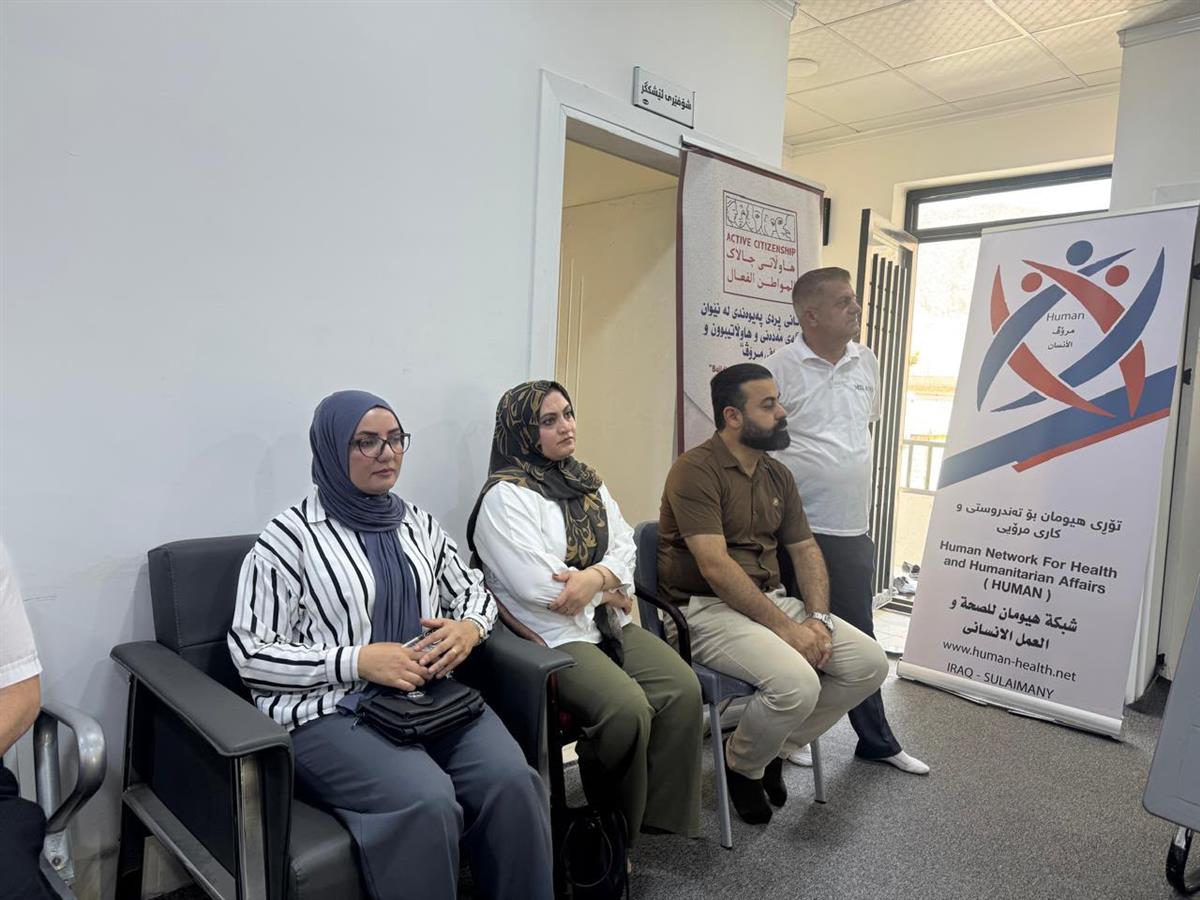
The course was marked by positive interaction between trainers and participants, and the practical component contributed to enhancing the efficiency of health personnel and raising their level of preparedness to respond to accidents and emergencies.
Results and Recommendations
The implemented activities yielded a number of positive outcomes, most notably:
* Strengthening cooperation and coordination between the HUMAN Network, government institutions, and civil society organizations in Raparin Administration.
* Expanding the horizons of partnership in service of the health and humanitarian sectors.
* Discussing practical solutions to the challenges facing health services in the region.
* Improving the skills of staff in the Emergency Ambulance Department through theoretical and practical training.
* Emphasizing the importance of sustaining training programs and capacity-building initiatives for health sector workers.
In Conclusion
The HUMAN Network for Health and Humanitarian Work reaffirms its continued commitment to supporting the health sector and strengthening partnerships with government institutions and civil society organizations, and to implementing high-quality programs that contribute to improving health and humanitarian services and building the capacities of health personnel in a way that positively reflects on the health and safety of the community.