Towards a Healthier and More Aware Society
2026-07-07
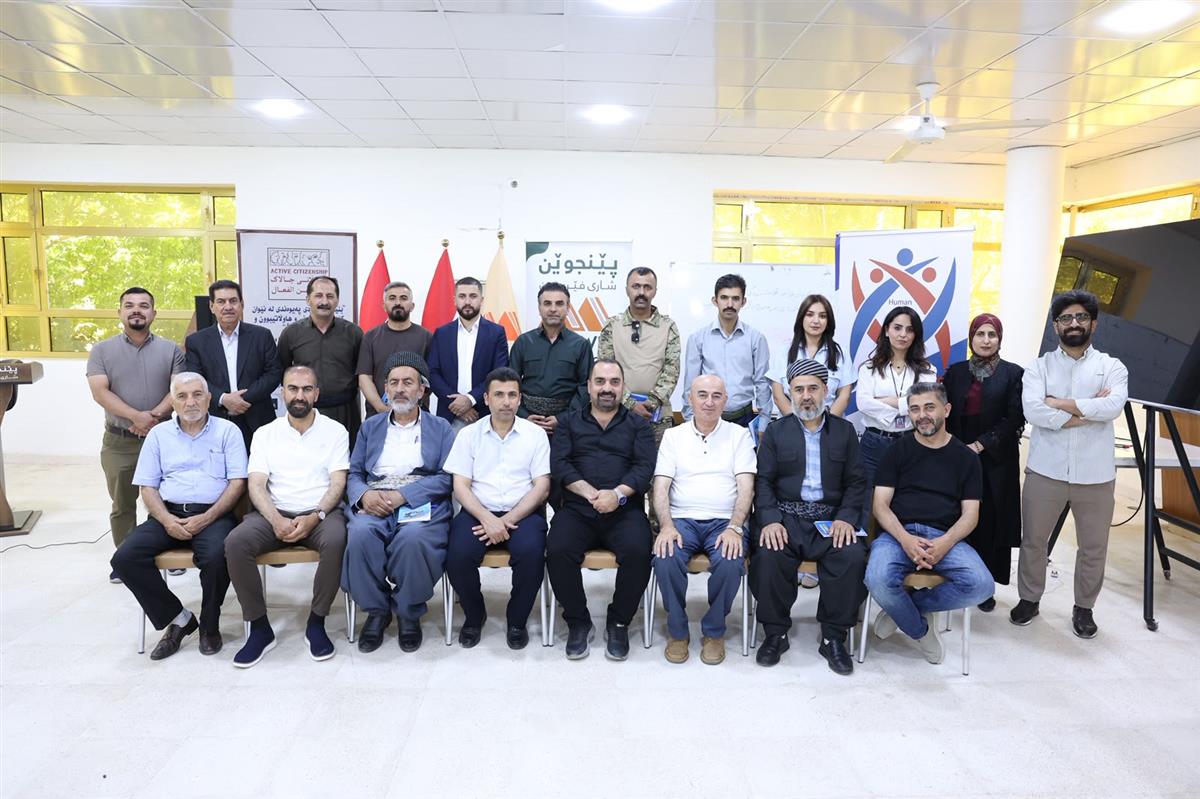
Towards a Healthier and More Aware Society
Human Network for Health and Humanitarian Affairs Organizes a Roundtable on the Occasion of the International Day Against Drug Abuse and Illicit Trafficking
Date: 29 June 2026
Organized by: Human Network for Health and Humanitarian Affairs (HUMAN)
In Cooperation with: Penjwen Learning City Program
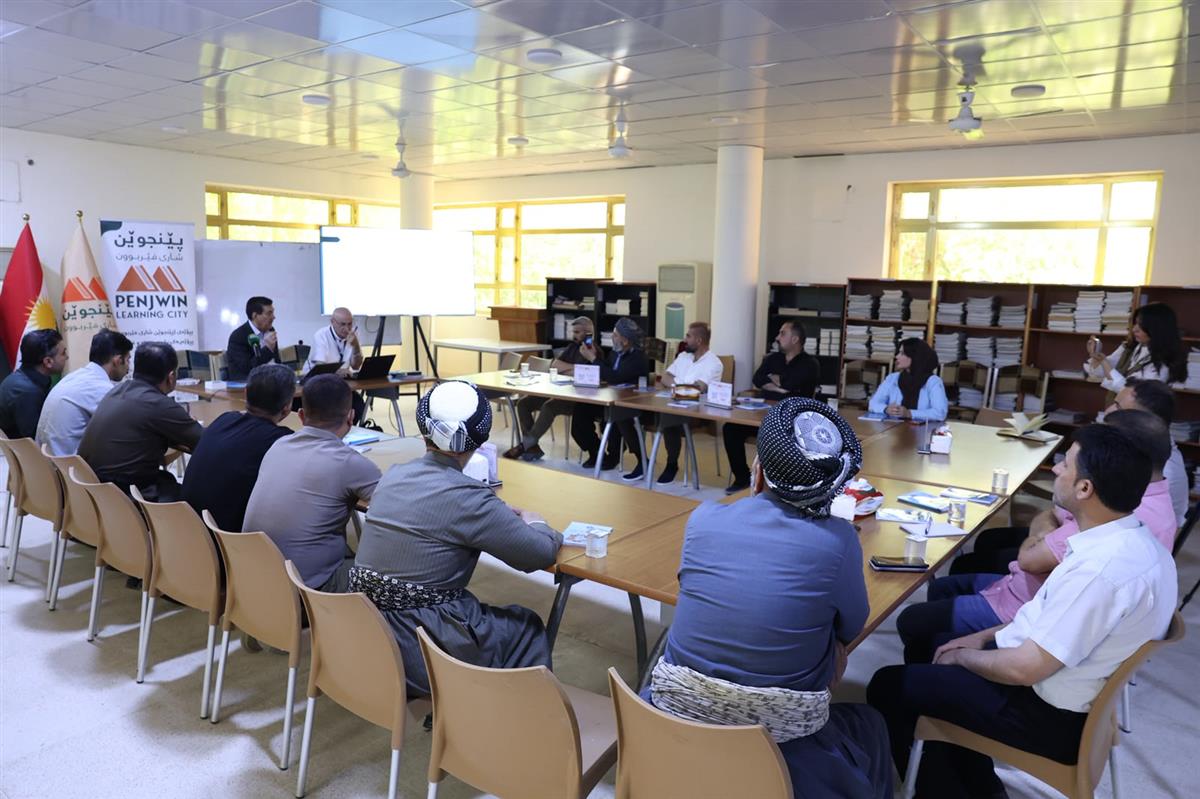
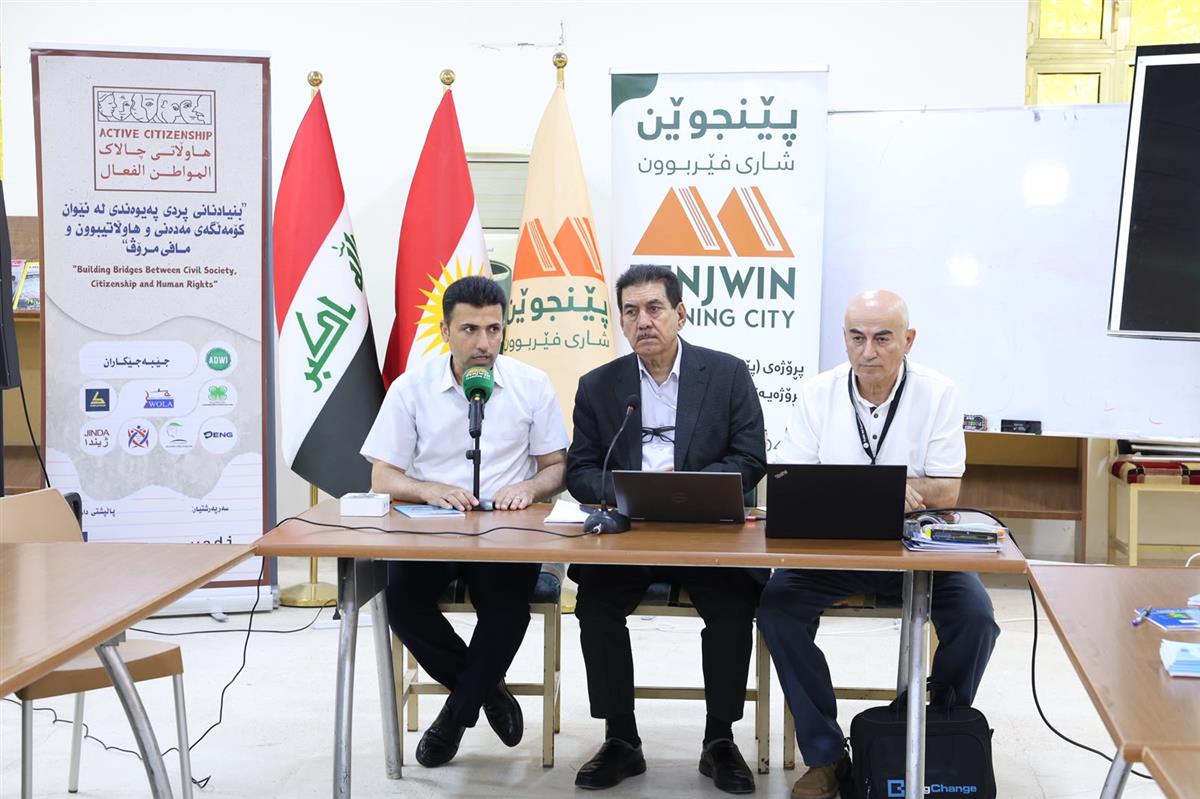
On the occasion of the International Day Against Drug Abuse and Illicit Trafficking, and as part of ongoing efforts to protect communities, promote public health, and combat the growing threat of drug abuse, the Human Network for Health and Humanitarian Affairs (HUMAN), in cooperation with the Penjwen Learning City Program, organized a comprehensive roundtable discussion entitled:
"Combating Drugs: A Shared Responsibility Towards a Healthier and More Aware Society."
This event was organized based on the conviction that combating drugs is not solely a security responsibility, but rather a collective societal mission that requires effective partnerships among governmental institutions, civil society organizations, religious leaders, educational institutions, health professionals, legal experts, and local communities to build a safer society and protect young people from the dangers of drug abuse.
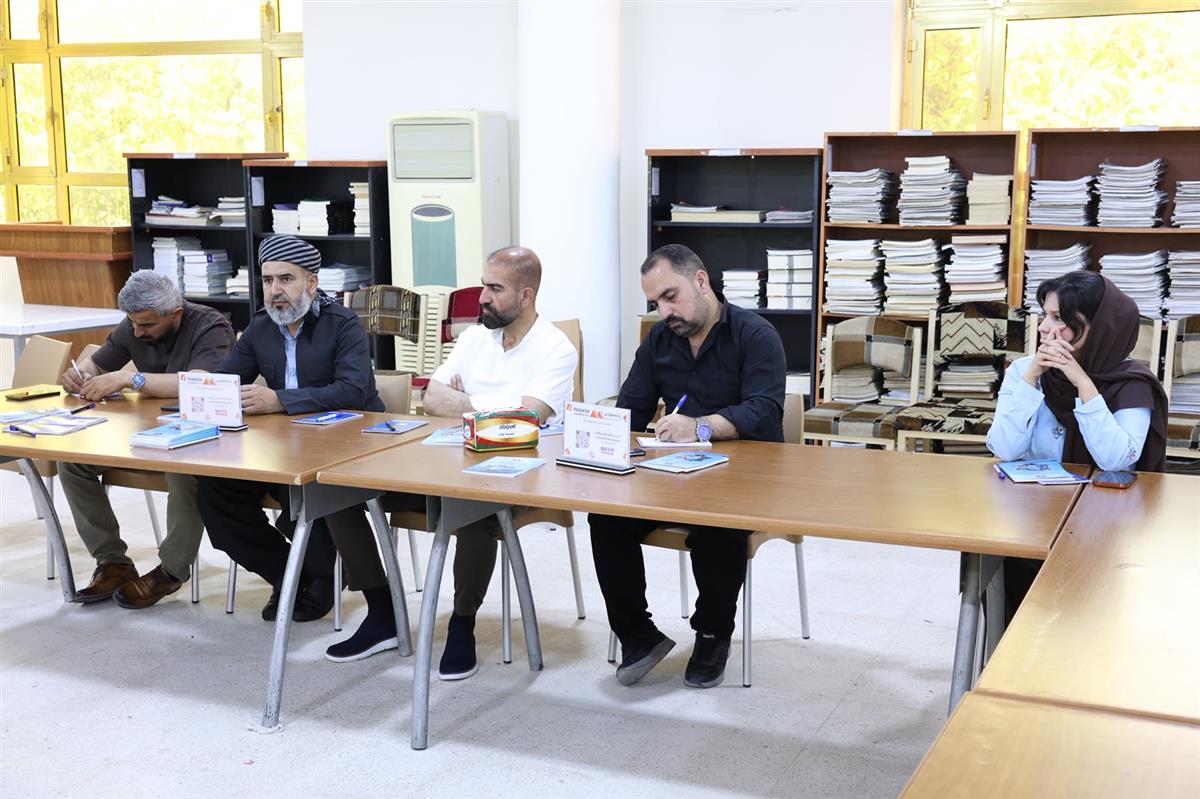
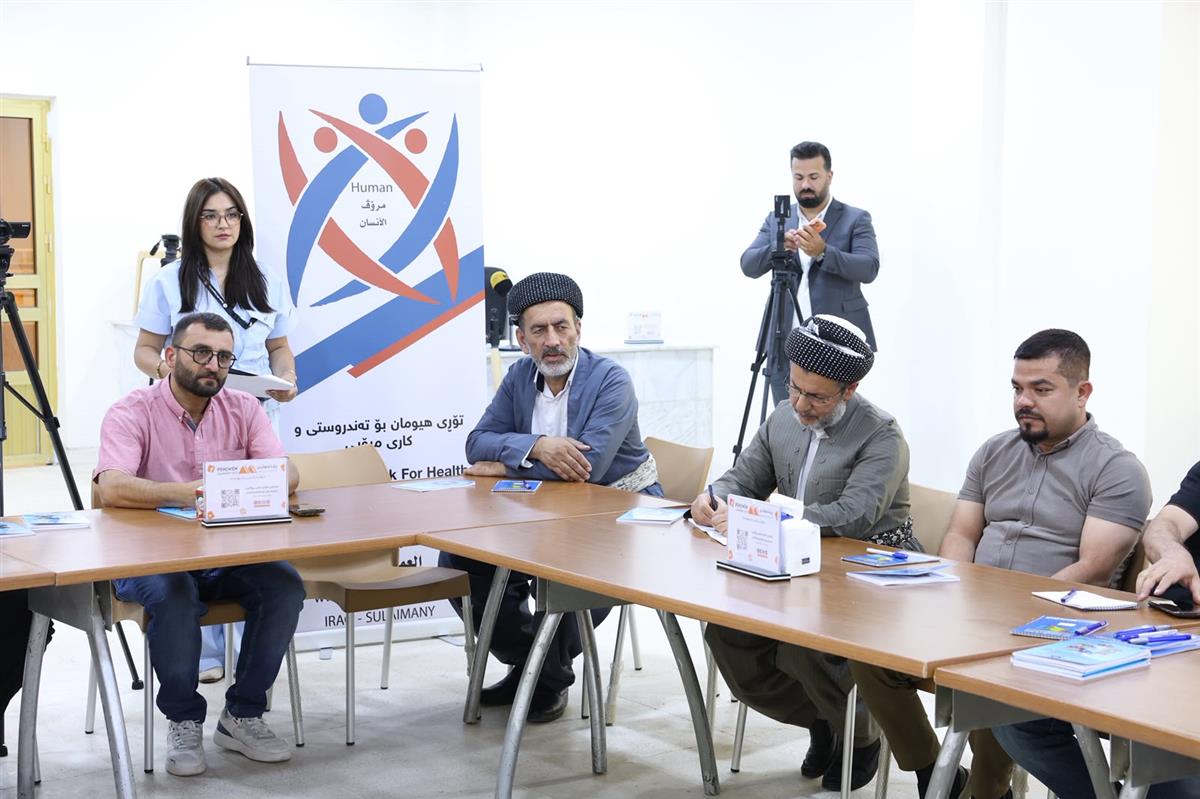
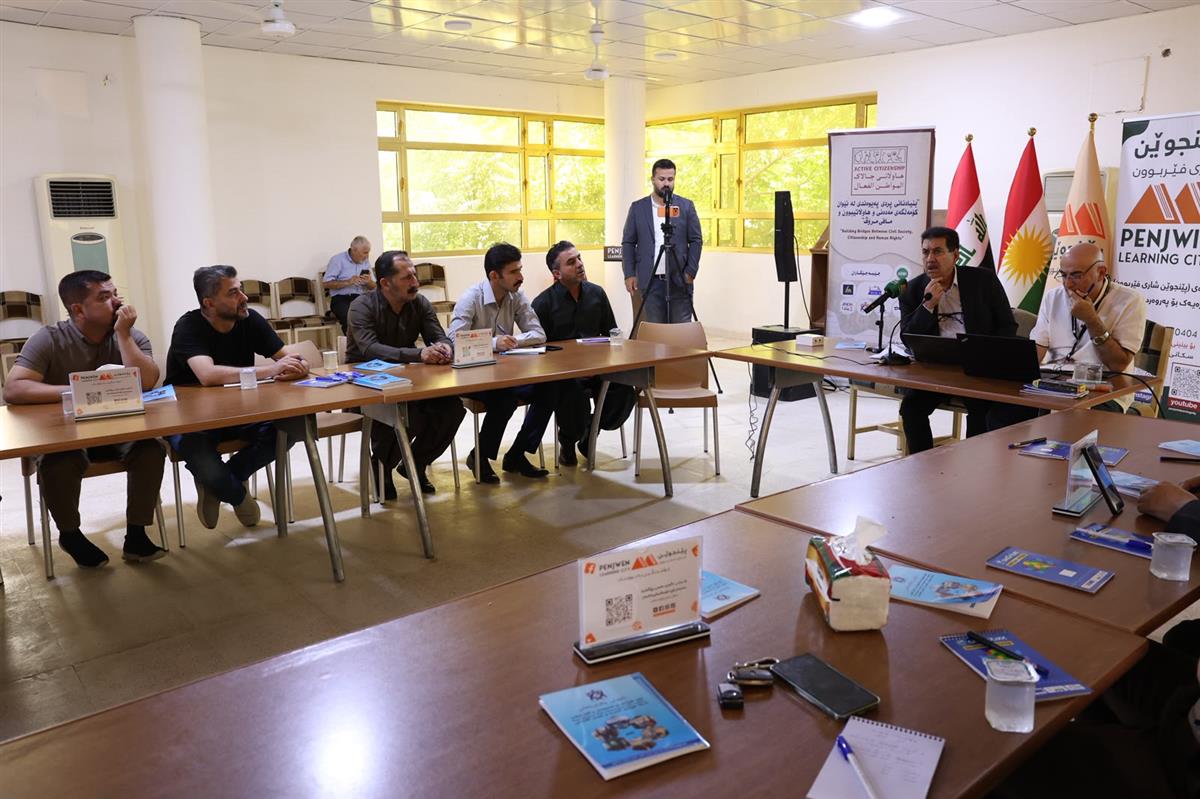
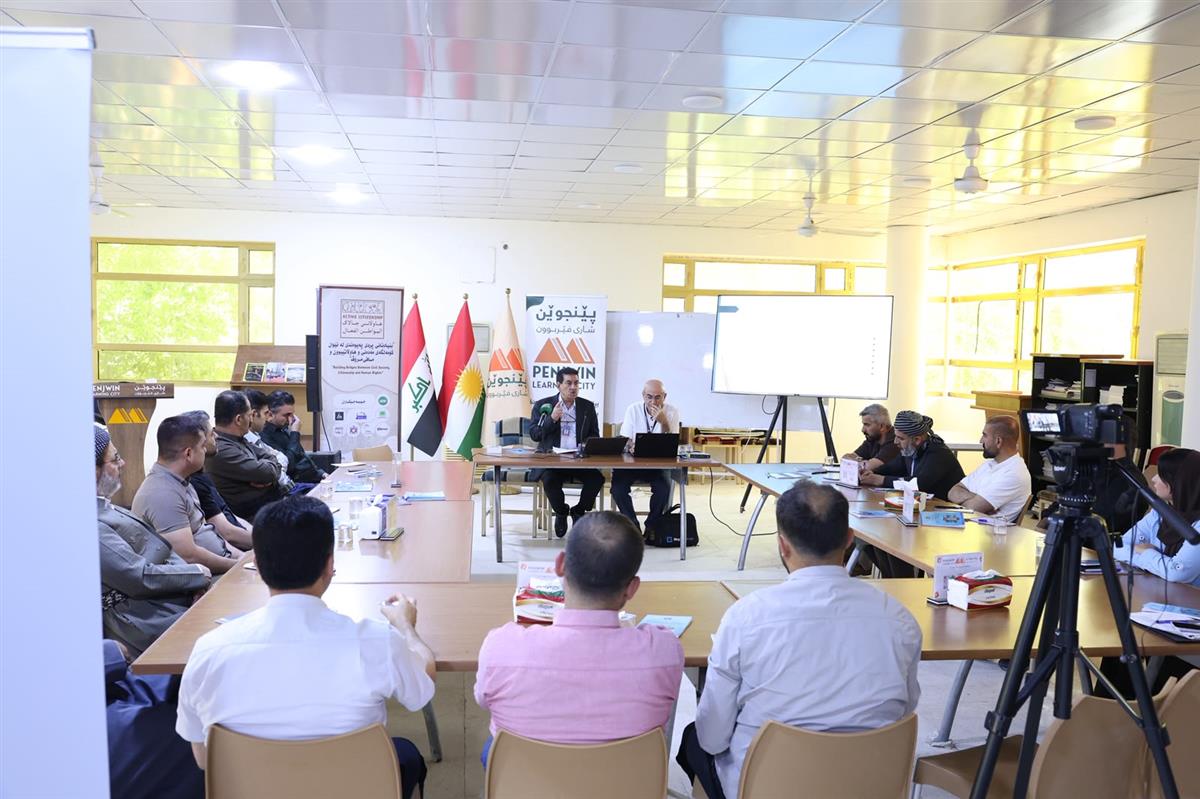
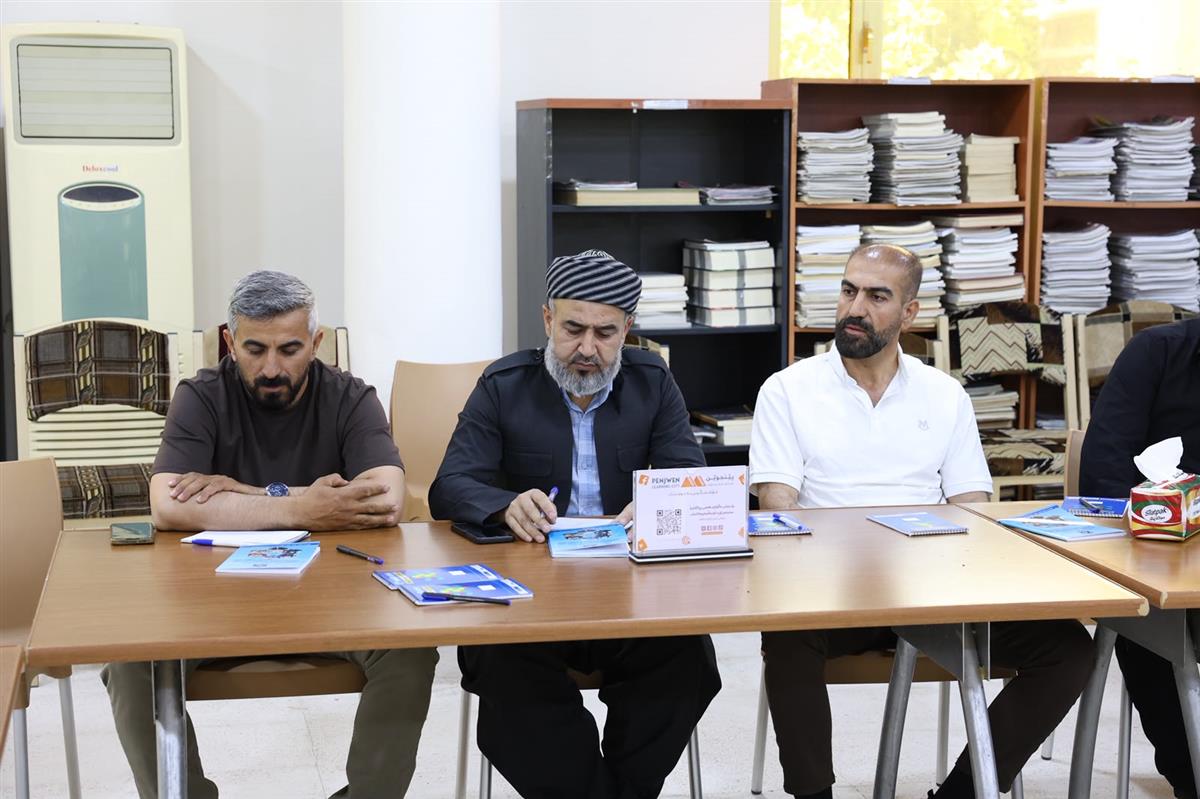
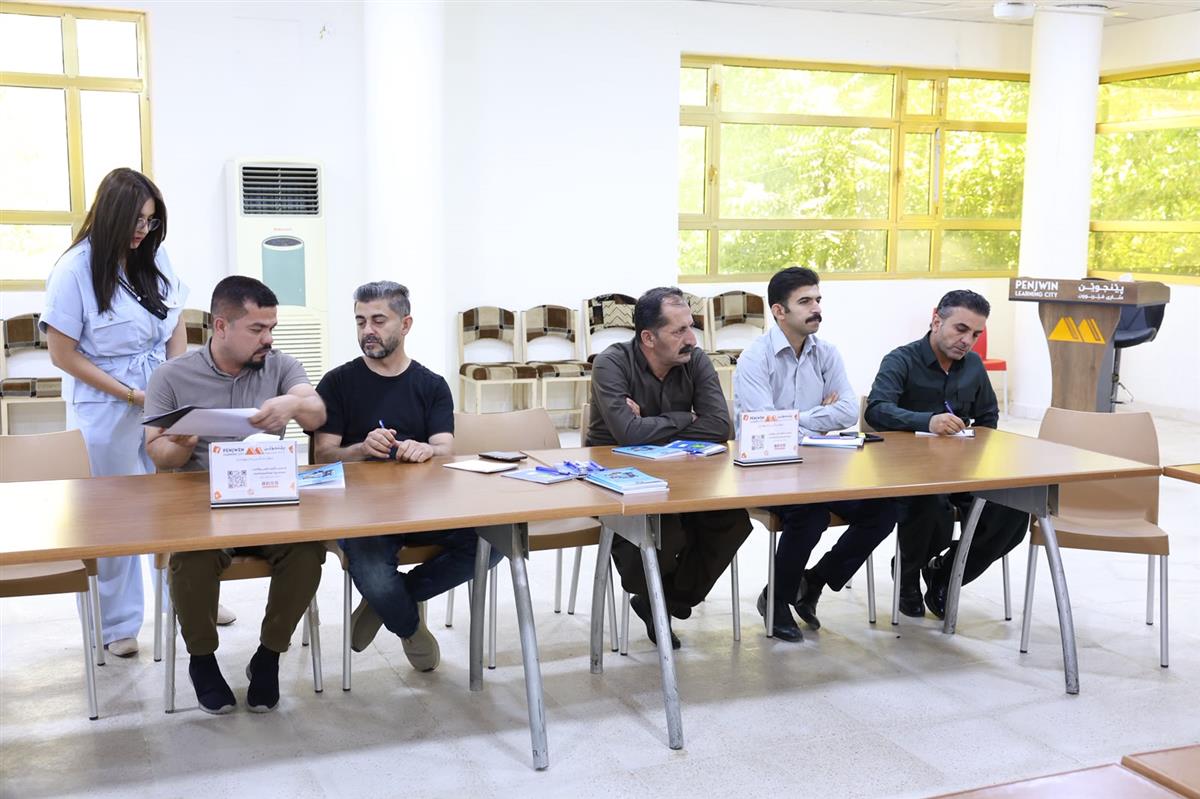
The roundtable brought together representatives from government institutions, security agencies, the health sector, educational institutions, religious leaders, civil society organizations, legal experts, and a number of specialists and community stakeholders. Participants exchanged knowledge, experiences, and practical perspectives on strengthening prevention efforts and addressing the growing challenges posed by drug abuse.
Objectives of the Roundtable
The roundtable aimed to:
Raise public awareness of the health, social, economic, and security consequences of drug abuse.
Discuss the underlying causes and contributing factors leading to the spread of drug use, particularly among young people.
Strengthen cooperation between government institutions and civil society organizations in prevention and response efforts.
Highlight the importance of prevention and public awareness as the most effective approaches to reducing drug abuse.
Develop practical recommendations to support national efforts in combating drugs.
Key Discussion Themes
1. Causes of Drug Abuse
Participants identified several major factors contributing to the spread of drug abuse, including:
Unemployment and limited economic opportunities.
Family breakdown and weak parental supervision.
Negative peer influence and social pressure.
Lack of public awareness about the dangers of drugs.
Easy access to illicit drugs through trafficking networks.
Misuse of prescription medications with addictive properties.
The misuse of social media platforms to promote and distribute drugs.
2. Risks and Consequences of Drug Abuse
The discussion highlighted the severe consequences of drug abuse on individuals and society, including:
Physical, mental, and psychological health deterioration.
Increased addiction and mental health disorders.
Rising rates of crime and domestic violence.
Family disintegration and social instability.
Reduced educational achievement and workforce productivity.
Significant economic burdens on families and public institutions due to treatment and social consequences.
3. Prevention and Response Strategies
Participants emphasized that prevention represents the first line of defense against drug abuse through:
Expanding awareness programs in schools and universities.
Strengthening the role of families in guidance and supervision.
Promoting religious and ethical values through faith-based institutions.
Empowering young people through sports, cultural, educational, and volunteer activities.
Expanding access to healthcare, rehabilitation, and psychosocial support services.
Strict enforcement of laws against drug traffickers and dealers.
Contributions from Participating Sectors
Religious Leaders
Religious leaders emphasized the importance of strengthening moral and religious values and promoting ethical responsibility among young people as essential protective factors against drug abuse, while reaffirming the central role of families in positive upbringing.
Security Agencies
Representatives of the security sector presented current efforts to combat drug trafficking, outlining legal and security measures aimed at dismantling trafficking networks and stressing the importance of community cooperation and reporting suspicious activities.
Health Sector
Health professionals provided comprehensive presentations on the physical and psychological effects of addiction, highlighting the importance of early detection, treatment services, rehabilitation programs, and psychosocial support for recovering individuals.
Education Sector
Representatives from educational institutions stressed the importance of integrating drug prevention education into school and university programs while promoting extracurricular activities that strengthen students' life skills and resilience.
Civil Society Organizations
Civil society organizations highlighted their role in implementing awareness campaigns, engaging youth in community initiatives, and strengthening partnerships with public institutions to support prevention programs.
Legal Experts
Legal experts reviewed the legislative framework governing drug-related crimes and discussed mechanisms for effective law enforcement. They emphasized the importance of imposing strict penalties on traffickers while ensuring treatment, rehabilitation, and social reintegration opportunities for individuals suffering from substance dependence in accordance with legal and humanitarian principles.
Key Outcomes
The roundtable concluded with several important outcomes, including:
Recognition that combating drugs is a shared responsibility requiring coordinated action among government institutions, civil society, and local communities.
Consensus that prevention and public awareness are the most effective and sustainable approaches to reducing drug abuse.
The need to establish long-term prevention programs targeting children, adolescents, youth, and families.
Recognition of education, healthcare, psychosocial support, and youth empowerment as essential investments in prevention.
The importance of strengthening partnerships between local and international organizations working in drug prevention and community health.
Recommendations
Participants agreed on the following recommendations:
Establish a permanent coordination network among all relevant institutions and stakeholders.
Expand awareness campaigns across schools, universities, public spaces, traditional media, and social media platforms.
Strengthen and expand drug treatment and rehabilitation centers while improving psychosocial support services.
Increase employment opportunities and provide more sports, cultural, educational, and social activities for young people.
Establish a confidential hotline managed by competent authorities to provide counseling and receive reports.
Organize specialized training programs for professionals working in the health, education, security, legal, and social sectors.
Submit the outcomes and recommendations of the roundtable to the Penjwen District Administration to support local prevention initiatives.
Enhance cooperation with the Ministry of Endowments and Religious Affairs and all relevant authorities responsible for combating drug abuse.
Strengthen the role of researchers, psychologists, and social workers in prevention, awareness, counseling, and community support.
Institutionalize annual awareness campaigns marking the International Day Against Drug Abuse and Illicit Trafficking to ensure sustained public engagement.
Encourage greater participation of young people, media professionals, and social media influencers in promoting prevention messages and countering misinformation related to drugs.
Closing Remarks
The roundtable concluded with a strong affirmation that addressing the drug problem requires sustained collective action and genuine partnership among government institutions, civil society organizations, educational and health sectors, religious leaders, and local communities.
Participants emphasized that protecting young people is an investment in the future of society and that building safe and healthy communities begins with raising awareness, strengthening shared responsibility, and fostering a culture of prevention.
The Human Network for Health and Humanitarian Affairs (HUMAN) reaffirmed its commitment to continuing awareness campaigns, capacity-building initiatives, and community-based programs that promote public health, strengthen prevention efforts, and support national strategies to reduce drug abuse—working toward a healthier, safer, and more informed society.