Implementation of a Theoretical and Practical Training on First Aid and Emergency Response for Teaching Staff at a School
2026-05-22
Implementation of a Theoretical and Practical Training on First Aid and Emergency Response for Teaching Staff at a School
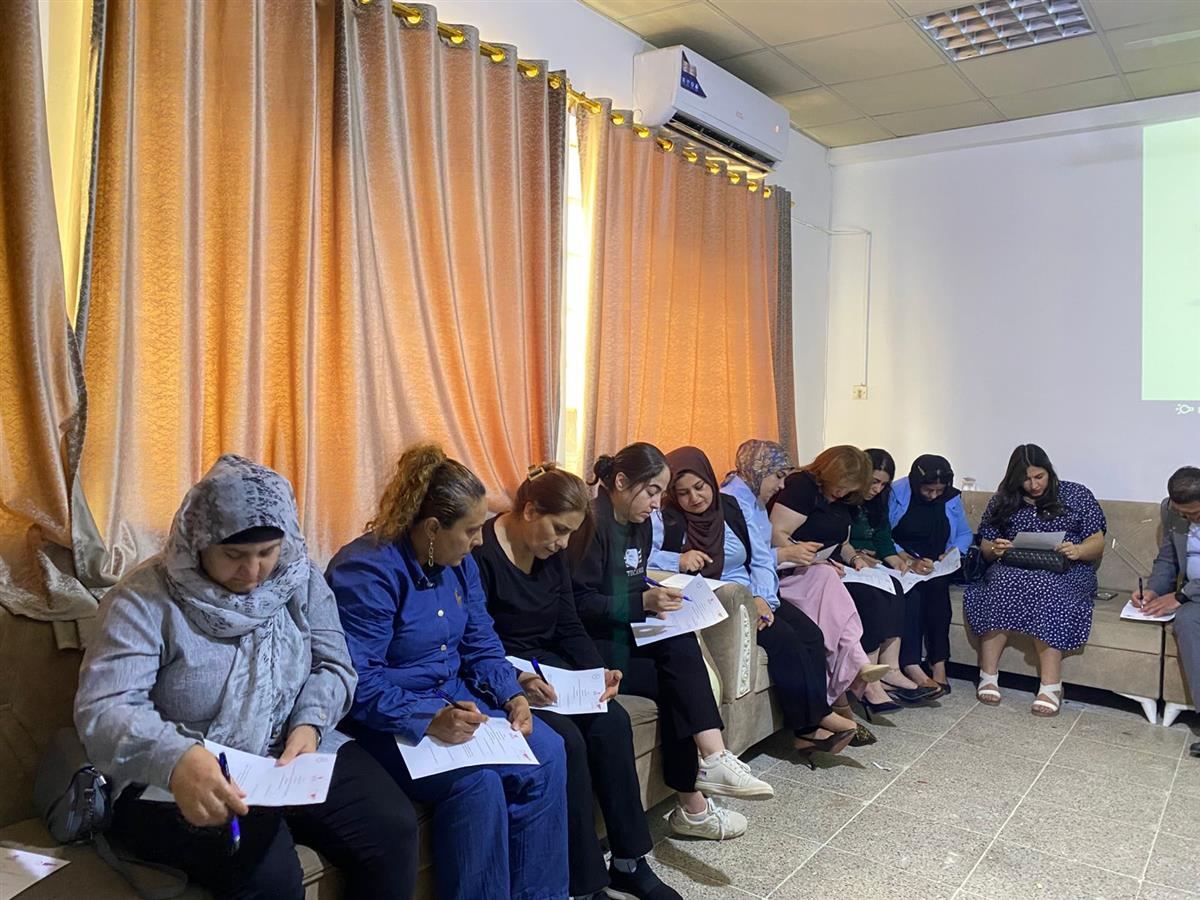
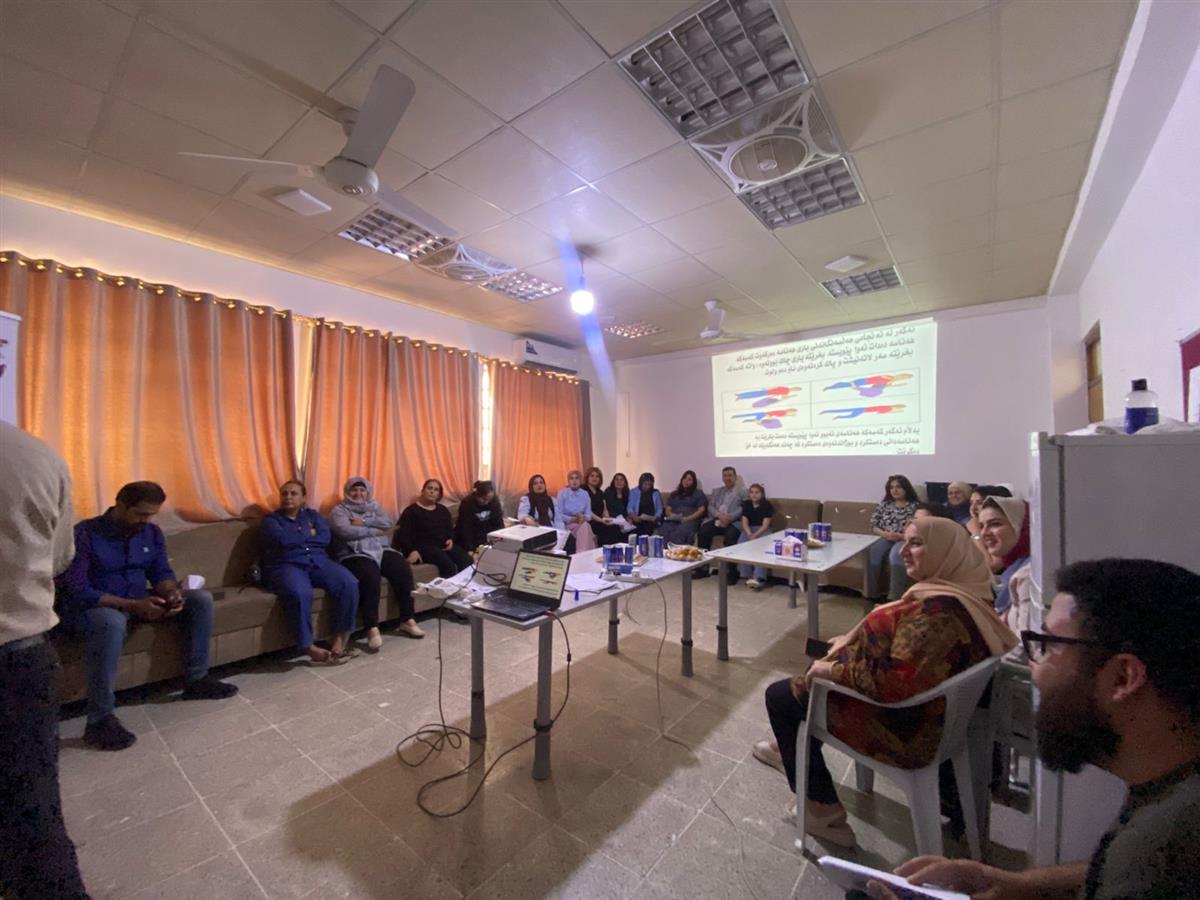
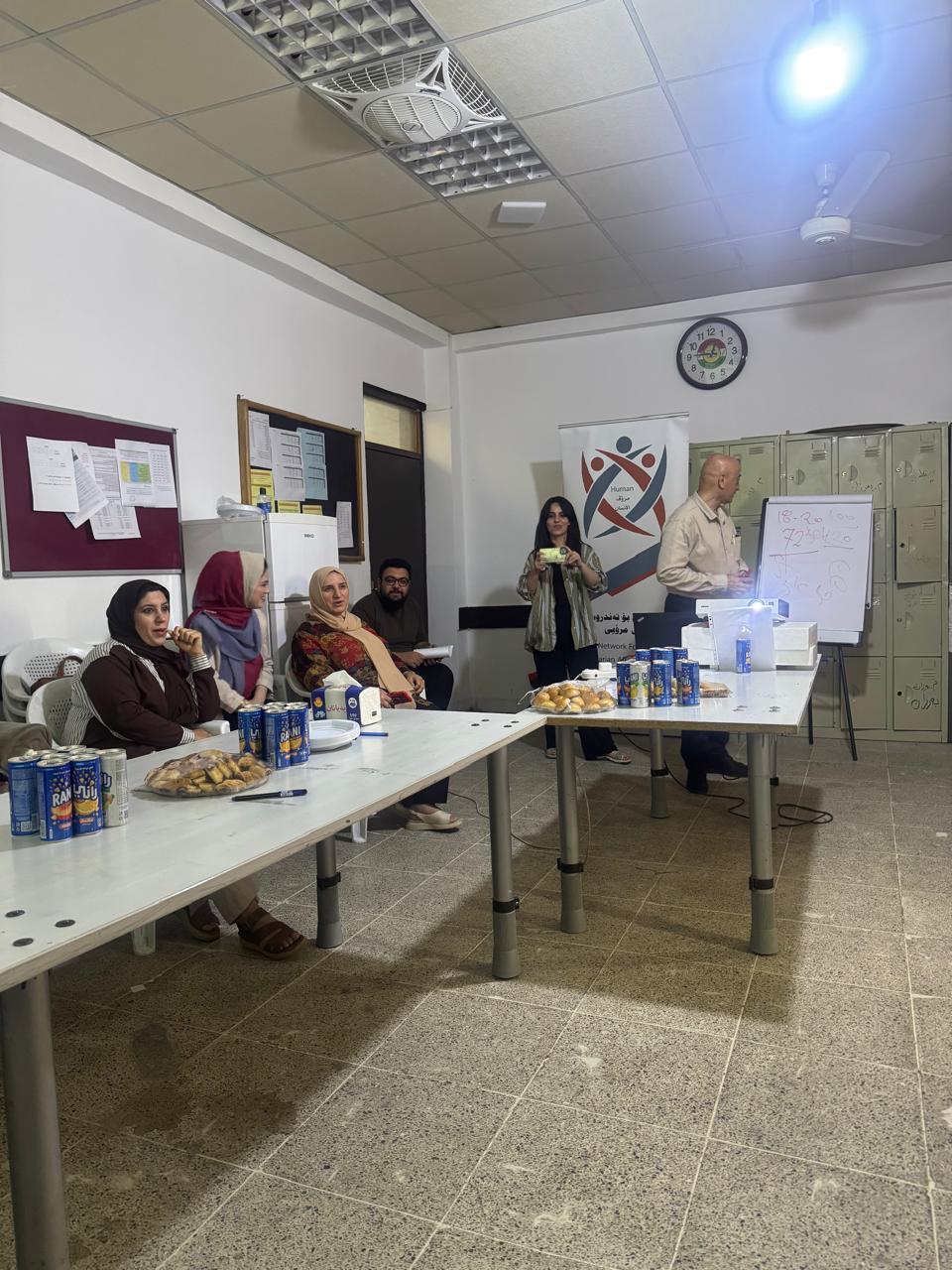
On 20/5/2026, Human Network for Health and Humanitarian Action organized a theoretical and practical training program targeting the teaching staff at a school, as part of the network’s efforts to promote health awareness and enhance the readiness of educational personnel to deal with emergency situations and various injuries within educational institutions and the community.
This training came in response to the increasing need to spread a culture of first aid and to enable educational staff to provide rapid and proper intervention in the event of accidents or emergency cases until specialized medical teams arrive or the injured person is transferred to health institutions.
Training Objectives
The training program aimed to:
Enhance the capacities of teaching staff in providing initial response to injuries and emergency incidents.
Promote first aid concepts within schools and educational institutions.
Reduce risks and complications resulting from delays in providing first aid to injured individuals.
Raise the level of preparedness during natural disasters, wars, or sudden accidents.
Strengthen the culture of community safety and humanitarian responsibility.
Training Topics
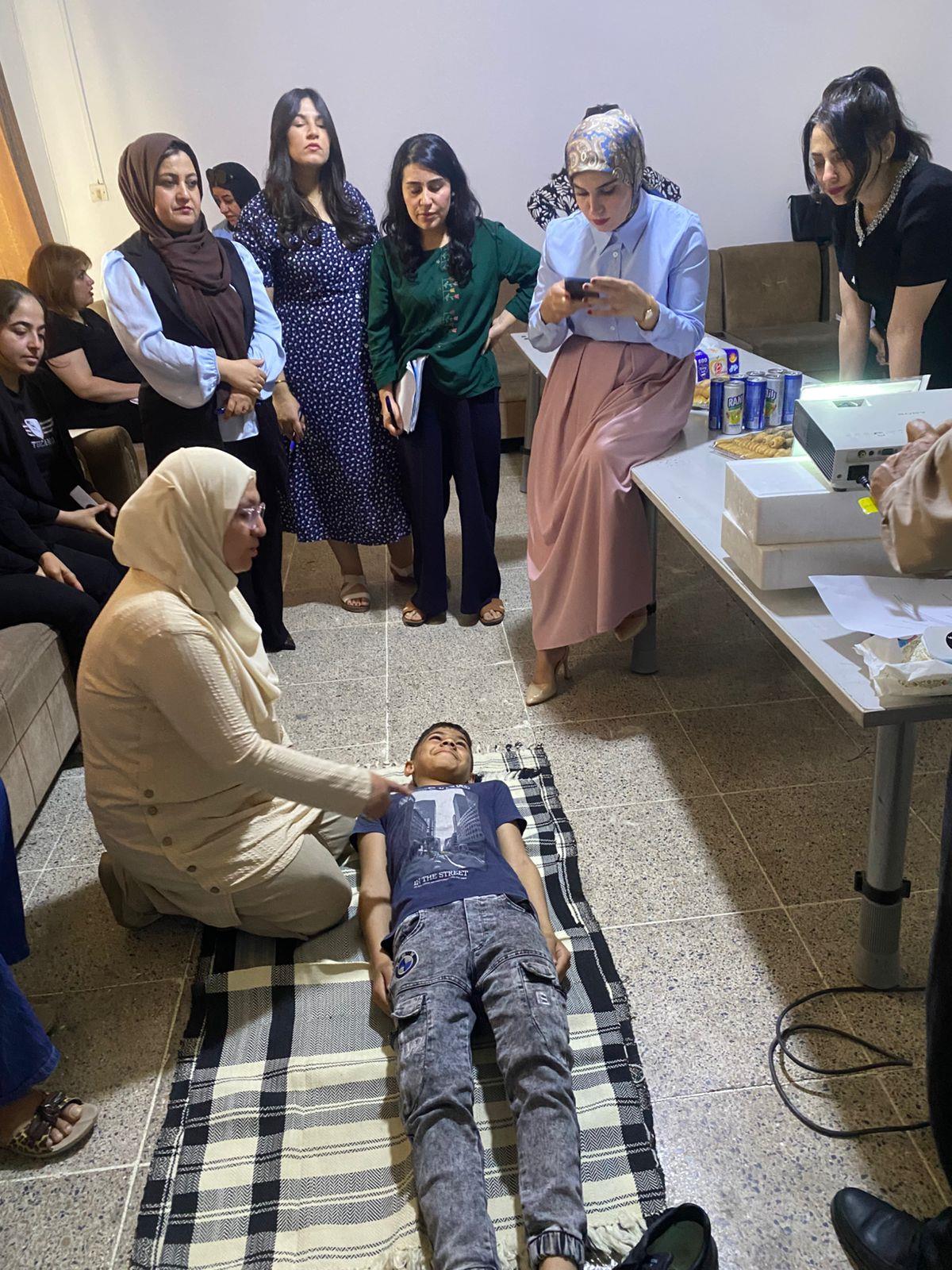
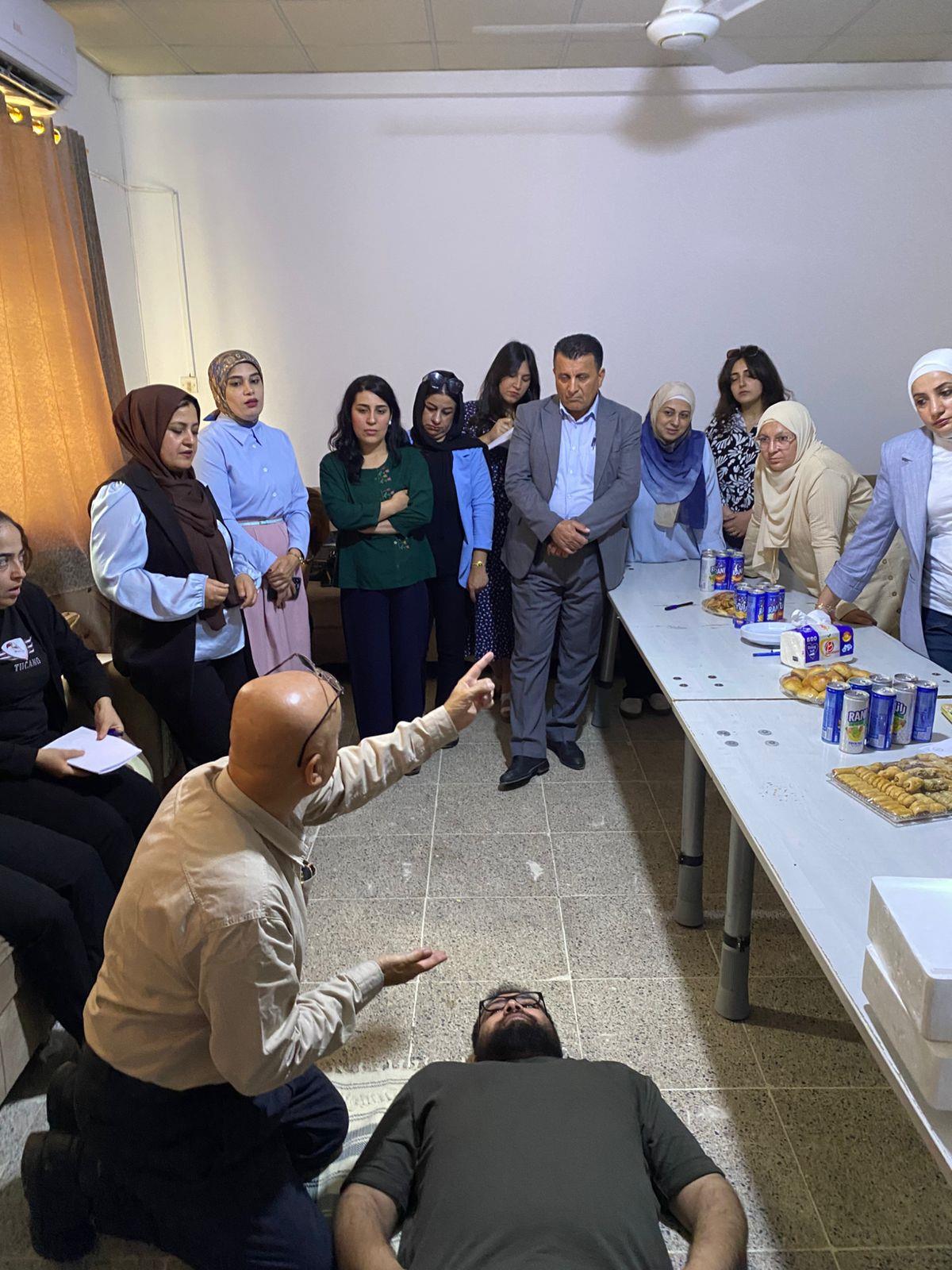
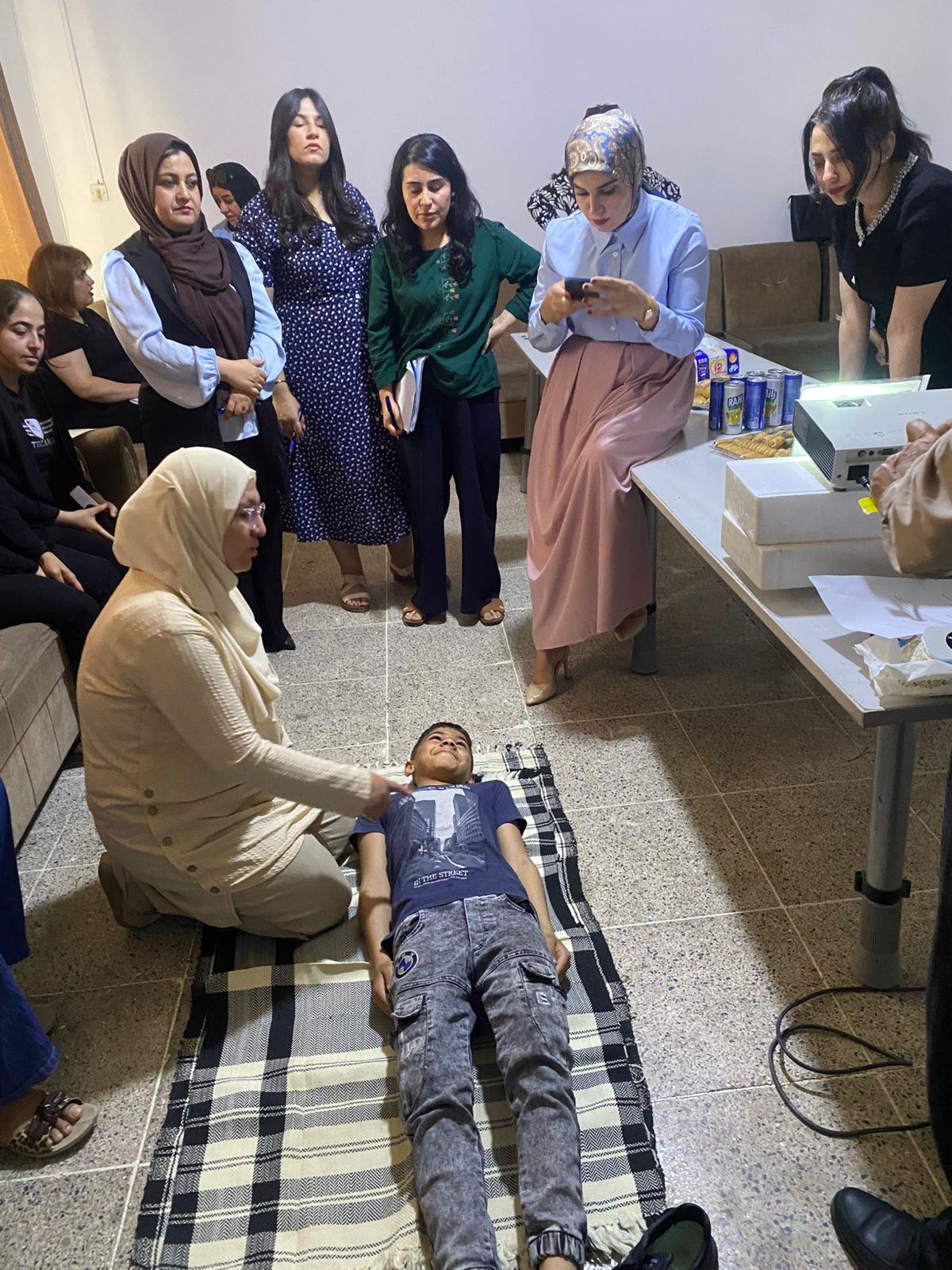
The training included both theoretical and practical components, during which detailed explanations and field applications were provided on:
How to deal with burn cases of different degrees.
First aid procedures for bleeding and wounds and methods of stopping bleeding.
Methods of dealing with fractures and limb injuries.
Mechanisms for rescuing victims in choking cases.
Rapid procedures to be followed during natural disasters, wars, or mass casualty incidents.
Methods of requesting medical assistance and safely handling the injured person until specialized medical teams arrive.
The training also included practical and interactive exercises that contributed to enhancing the participants’ skills and enabling them to deal realistically with various emergency situations.
Participation and Interaction Level
The program witnessed distinguished attendance and wide interaction from the participants, as the teaching staff showed great interest in the subject due to its direct importance in protecting students and staff within schools, in addition to its vital role on the personal, family, and community levels.
Participants expressed their great benefit from the information and skills provided, emphasizing the need to continue such training programs and expand them to include other groups and institutions.
Recommendations and Suggestions
At the end of the training, participants recommended several important points, most notably:
Reorganizing such courses on a regular and continuous basis.
Expanding the training to include the largest possible number of schools and official and non-official institutions.
Integrating first aid programs into awareness and educational activities.
Supporting community initiatives aimed at raising health and humanitarian awareness.
Strengthening cooperation between health and educational institutions and civil society organizations in the field of emergency response.
Conclusion
Human Network for Health and Humanitarian Action affirms its continued commitment to implementing training and awareness programs that contribute to protecting society and promoting the culture of health and public safety, stemming from its humanitarian and social responsibility and its belief in the importance of building the capacities of individuals and institutions in facing emergencies and various crises.