On the Occasion of International Workers’ Day “Foreign Workers in Iraq: Legal, Humanitarian, and Health Challenges”
2026-05-02
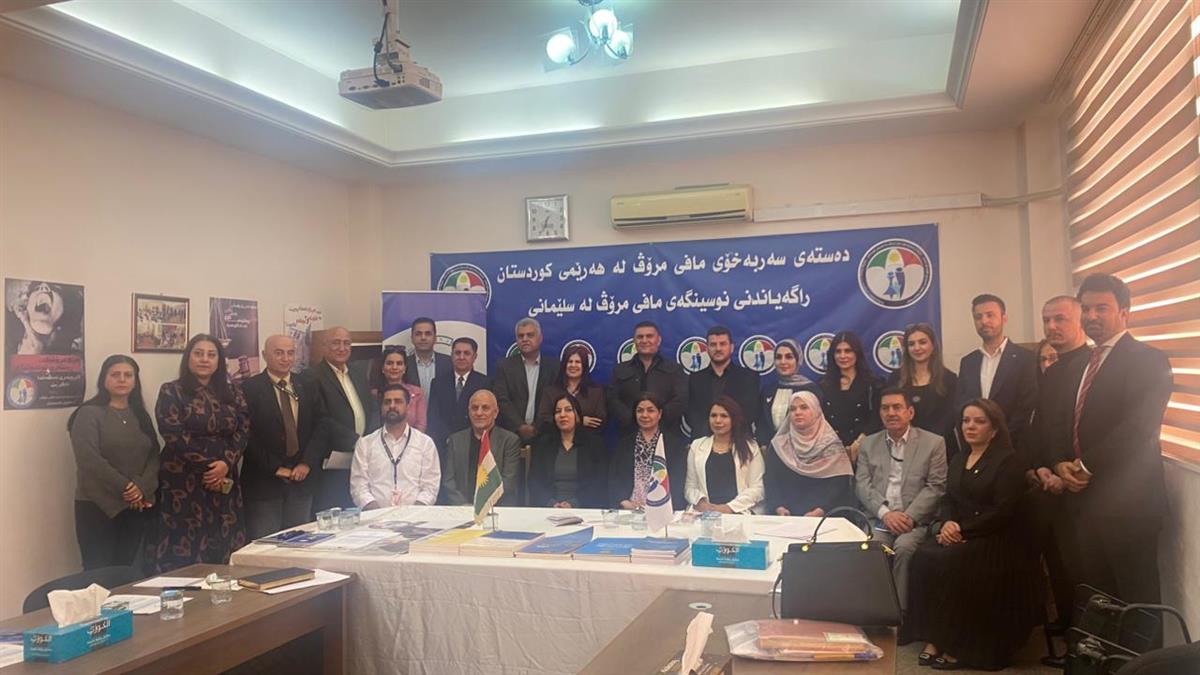
On the Occasion of International Workers’ Day
“Foreign Workers in Iraq: Legal, Humanitarian, and Health Challenges”
I. General Information about the Meeting
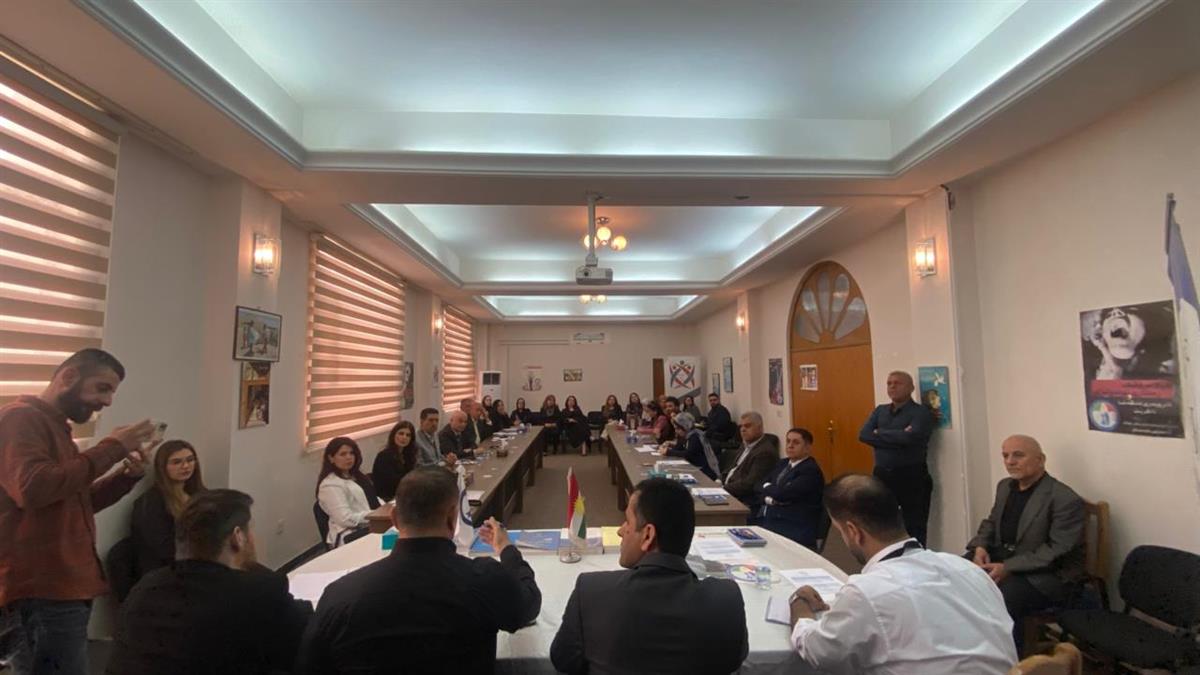
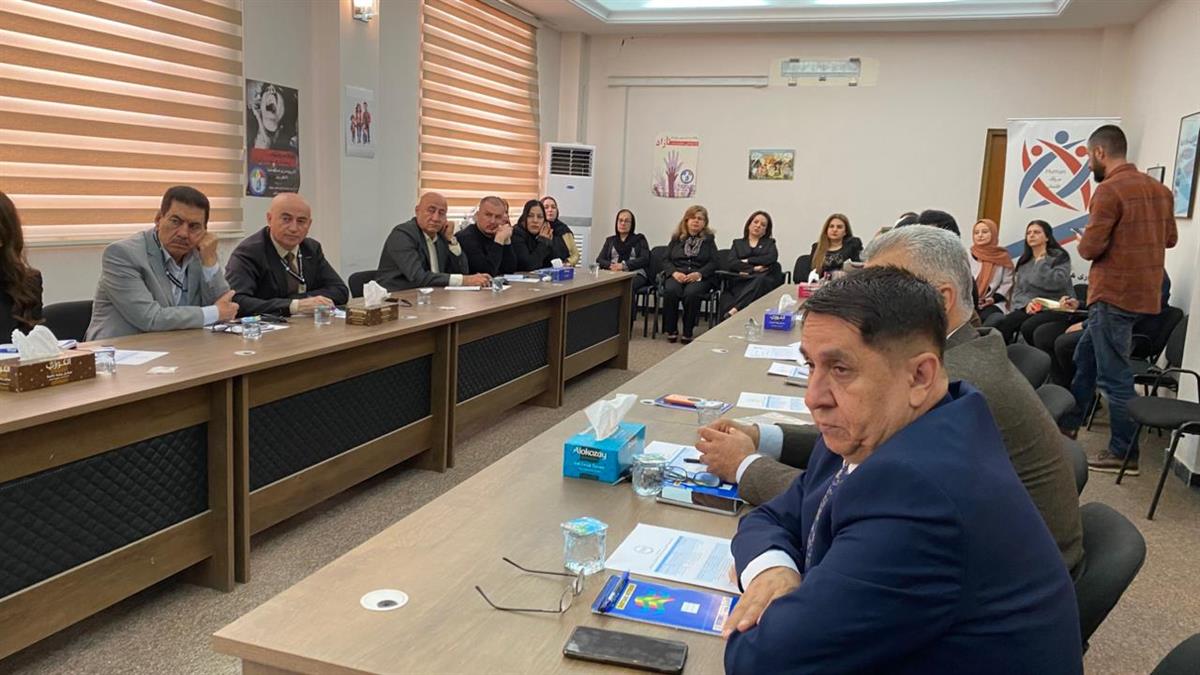
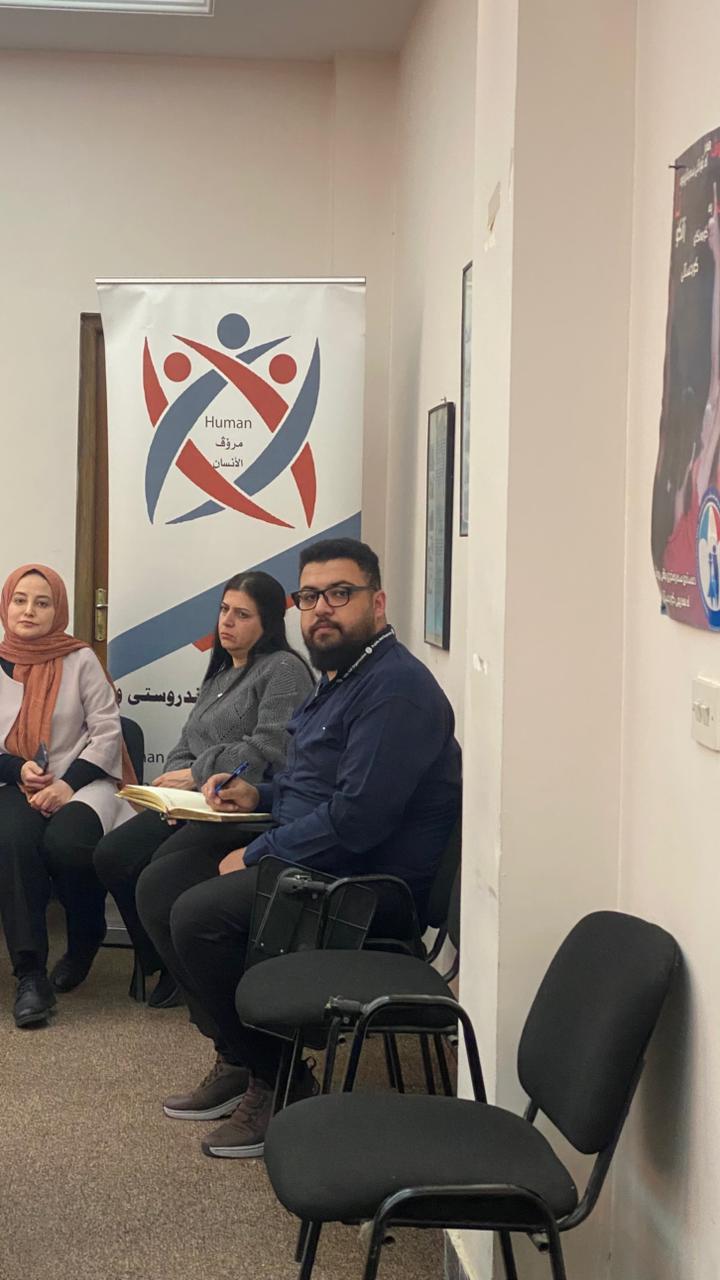
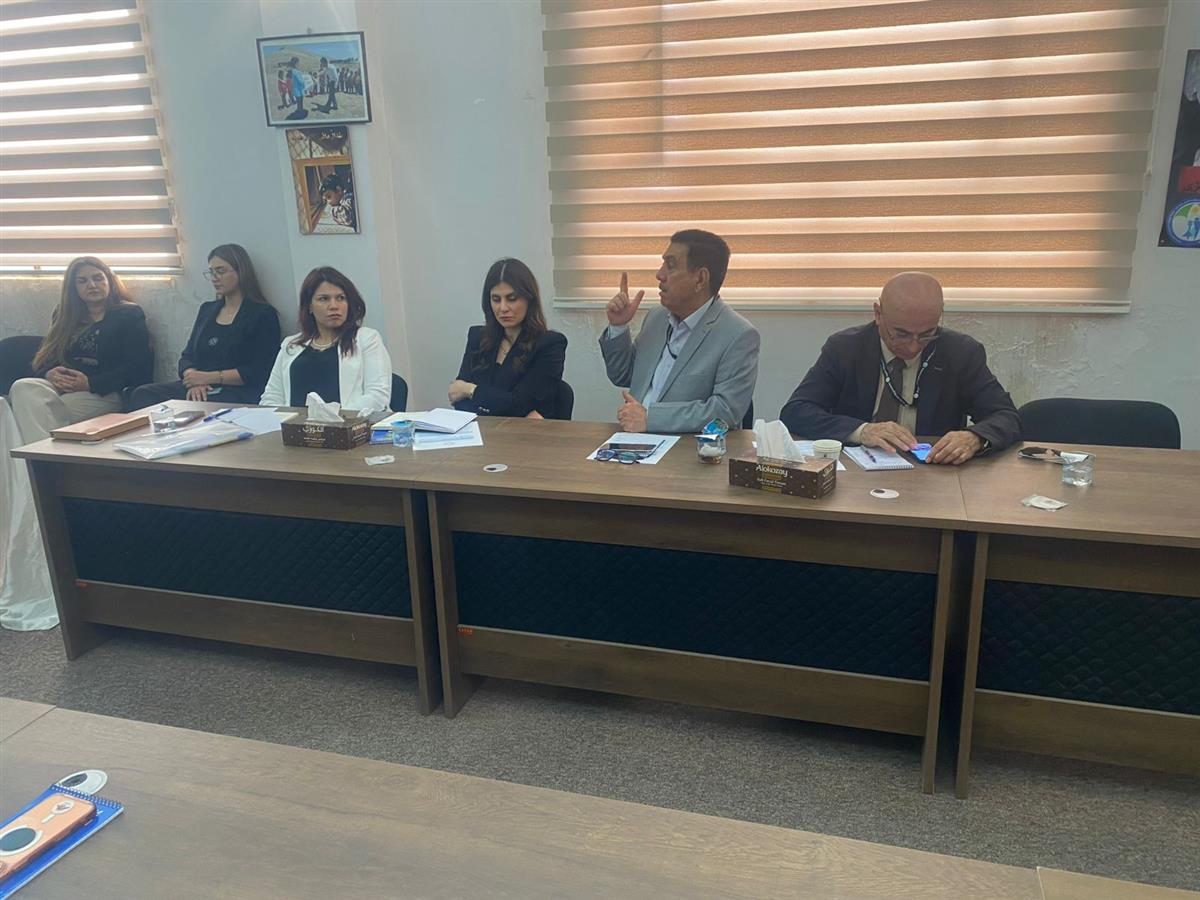
Organizers: Popular Aid Organization (PAO), in collaboration with the Human Network for Health and Humanitarian Action and the Human Rights Office in Sulaymaniyah
Date: April 28, 2026
Venue: Human Rights Office Headquarters, Sulaymaniyah
Type of Activity: Expanded Meeting / Roundtable
Participants: Representatives of government institutions, civil society organizations, academics, and subject-matter experts
II. Participating Entities
The meeting brought together a wide range of relevant stakeholders, including:
Representatives of the Ministry of Labor and Social Affairs
Representatives of the Organized Crime Directorate
Civil society organizations
Academics and experts in law, public health, and human rights
III. Objectives of the Meeting
This meeting was organized with the aim to:
Review the current situation of foreign workers in Iraq and the Kurdistan Region
Identify key legal, humanitarian, and health-related challenges
Strengthen coordination between governmental and non-governmental actors
Develop actionable recommendations to improve working conditions and safeguard workers’ rights
IV. Key Discussion Areas
1. Legal Challenges
Participants examined the legal framework regulating foreign labor and emphasized:
Existing gaps in the enforcement of residency and labor laws
Weak monitoring of certain labor recruitment agencies
Lack of clarity in employment contracts in some cases, leading to worker exploitation
The need to reform and update legislation in accordance with international standards
2. Humanitarian Challenges
The discussion highlighted several pressing humanitarian concerns, including:
Incidents of abuse and exploitation affecting some workers
Limited access to justice and legal assistance
Inadequate housing conditions in certain cases
Retention of official documents (such as passports) by some employers
3. Health Challenges
Health experts addressed critical issues related to workers’ health, including:
Limited access to healthcare services
Weak or insufficient health coverage and insurance
The need for periodic medical screenings, particularly for communicable diseases
Lack of health awareness, especially in high-risk work environments
V. Key Contributions
Ministry of Labor Representatives: Highlighted ongoing governmental efforts to regulate the labor market, while stressing the need for stronger legal frameworks and enhanced cooperation.
Organized Crime Directorate: Reported cases related to human trafficking and forced labor, emphasizing the importance of reporting mechanisms and inter-agency coordination.
Civil Society Organizations: Stressed the need to protect workers’ rights, establish effective complaint mechanisms, and ensure the provision of high-quality healthcare services.
Academics: Offered analytical perspectives on legal gaps and their implications for social stability and public health.
VI. Key Challenges Identified
Weak coordination among relevant stakeholders
Lack of accurate and comprehensive data on foreign workers
Limited monitoring and inspection systems
Insufficient awareness among workers regarding their rights and obligations
VII. Recommendations
Legal Level:
Update and reform laws governing foreign labor
Strengthen oversight of recruitment agencies
Introduce standardized and transparent employment contracts
Conduct awareness sessions for foreign workers on their rights, responsibilities, and communication channels
Humanitarian Level:
Establish effective and accessible complaint mechanisms
Prohibit the confiscation of personal documents
Improve living and working conditions
Health Level:
Ensure access to adequate healthcare services
Implement regular medical check-ups
Organize multilingual health awareness campaigns
Coordination Level:
Develop a shared database among relevant stakeholders
Strengthen partnerships between government entities and civil society organizations
Organize ongoing workshops and capacity-building programs
VIII. Conclusion
Participants agreed that the situation of foreign workers in Iraq constitutes a complex, multi-dimensional challenge that requires a comprehensive and coordinated response. They emphasized the importance of collaboration among government institutions, civil society, and the private sector to ensure a fair, safe, and dignified working environment aligned with international standards.
IX. Follow-up Proposals
Establish a joint follow-up committee representing all stakeholders
Produce a progress report every six months
Launch joint awareness and advocacy initiatives