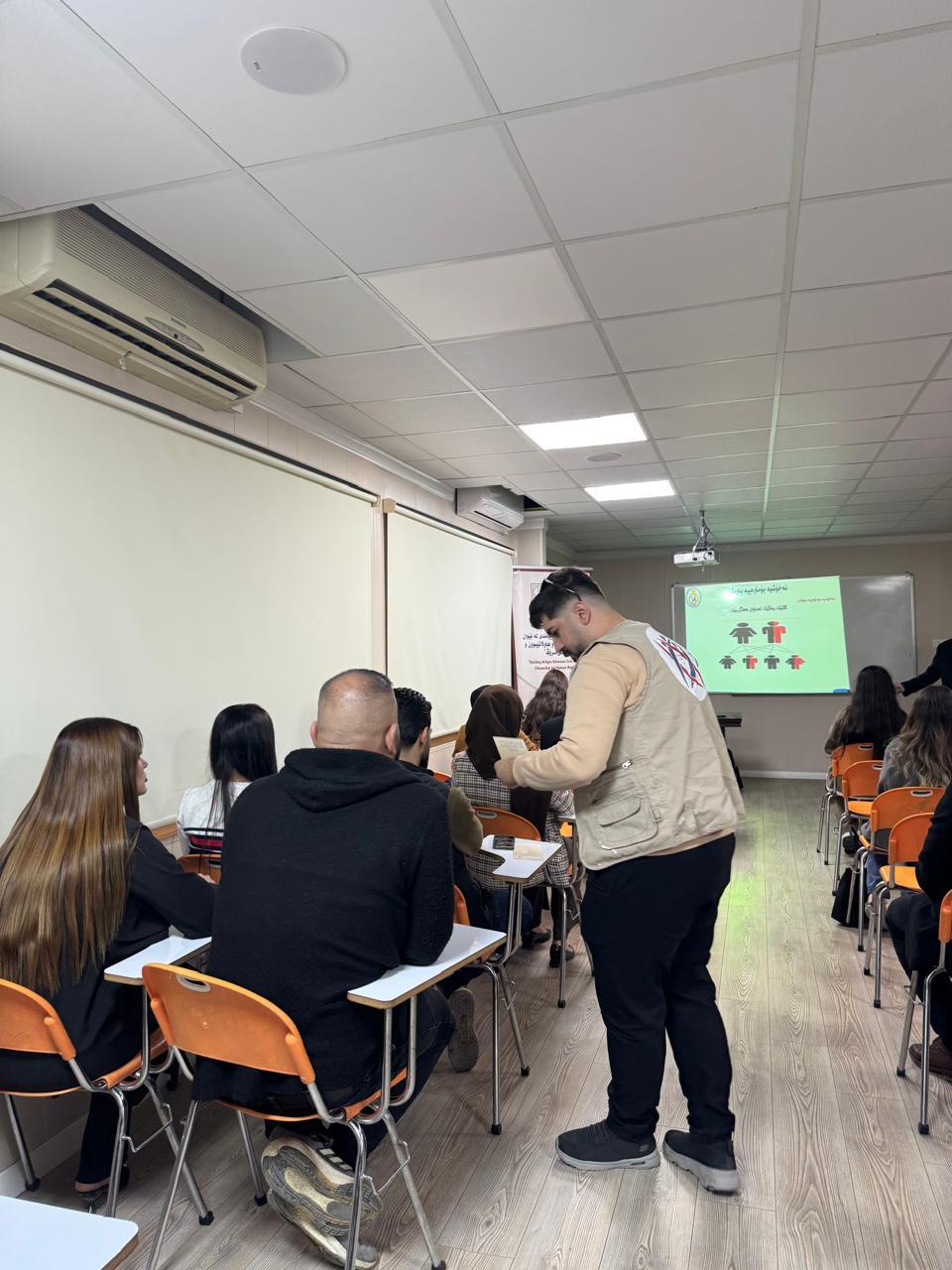
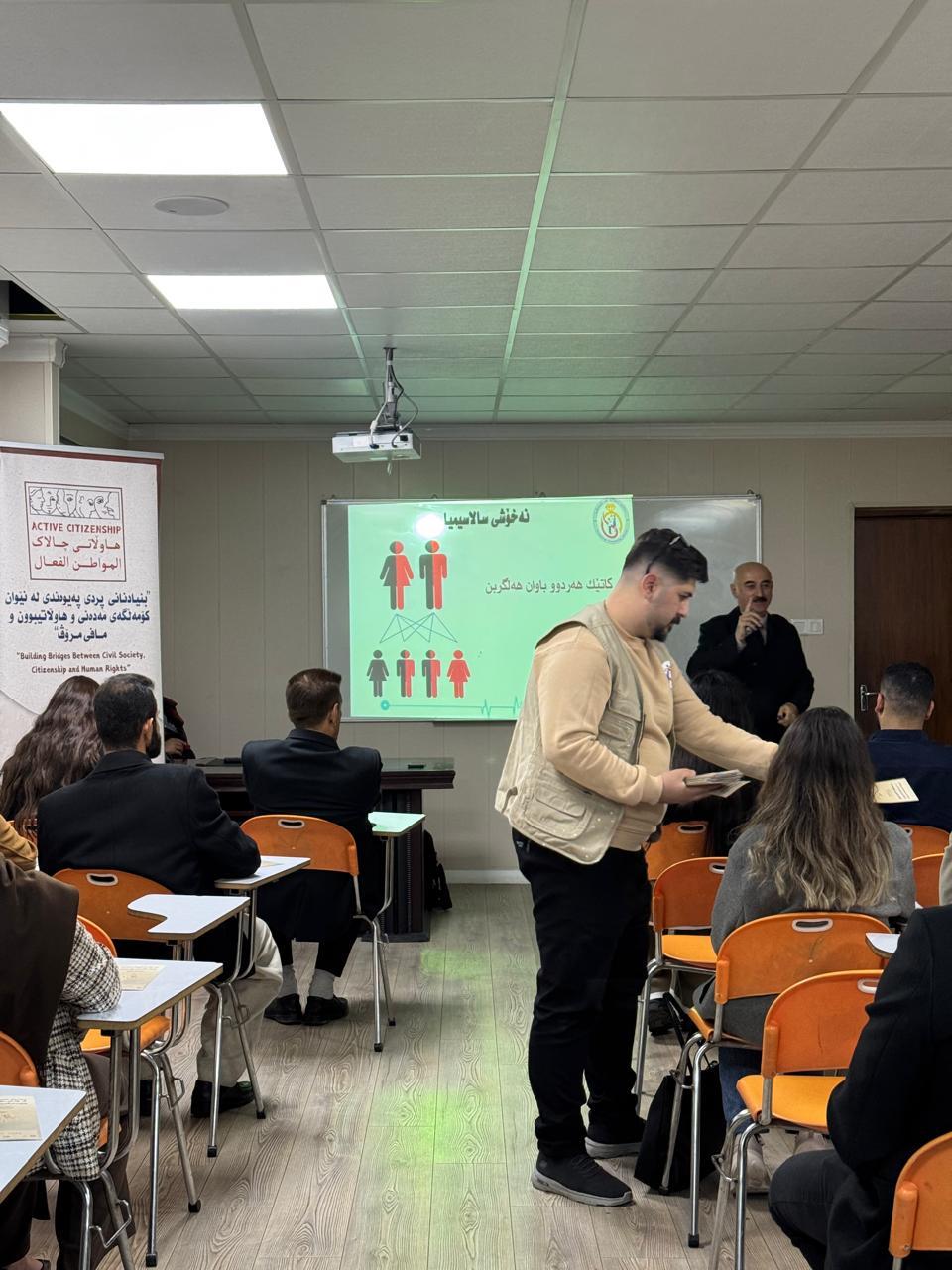
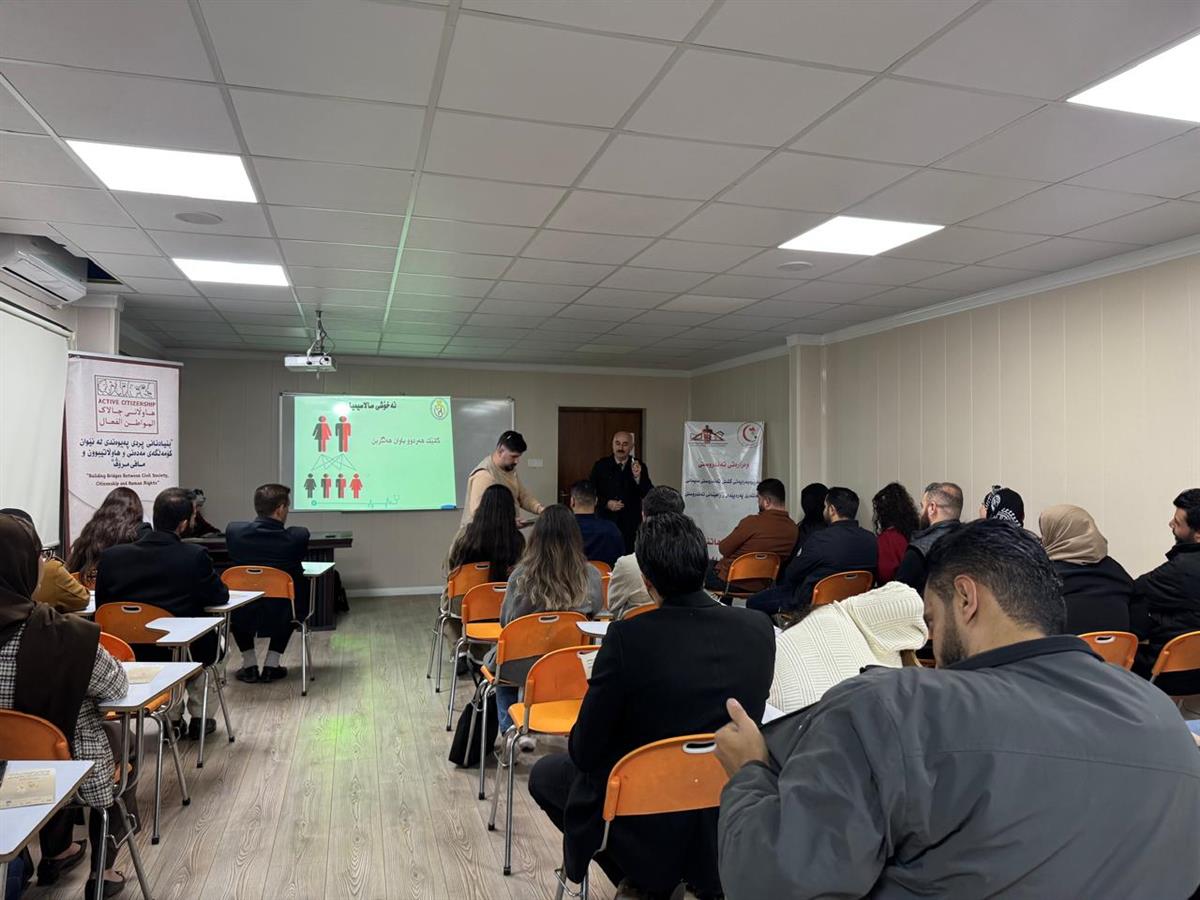
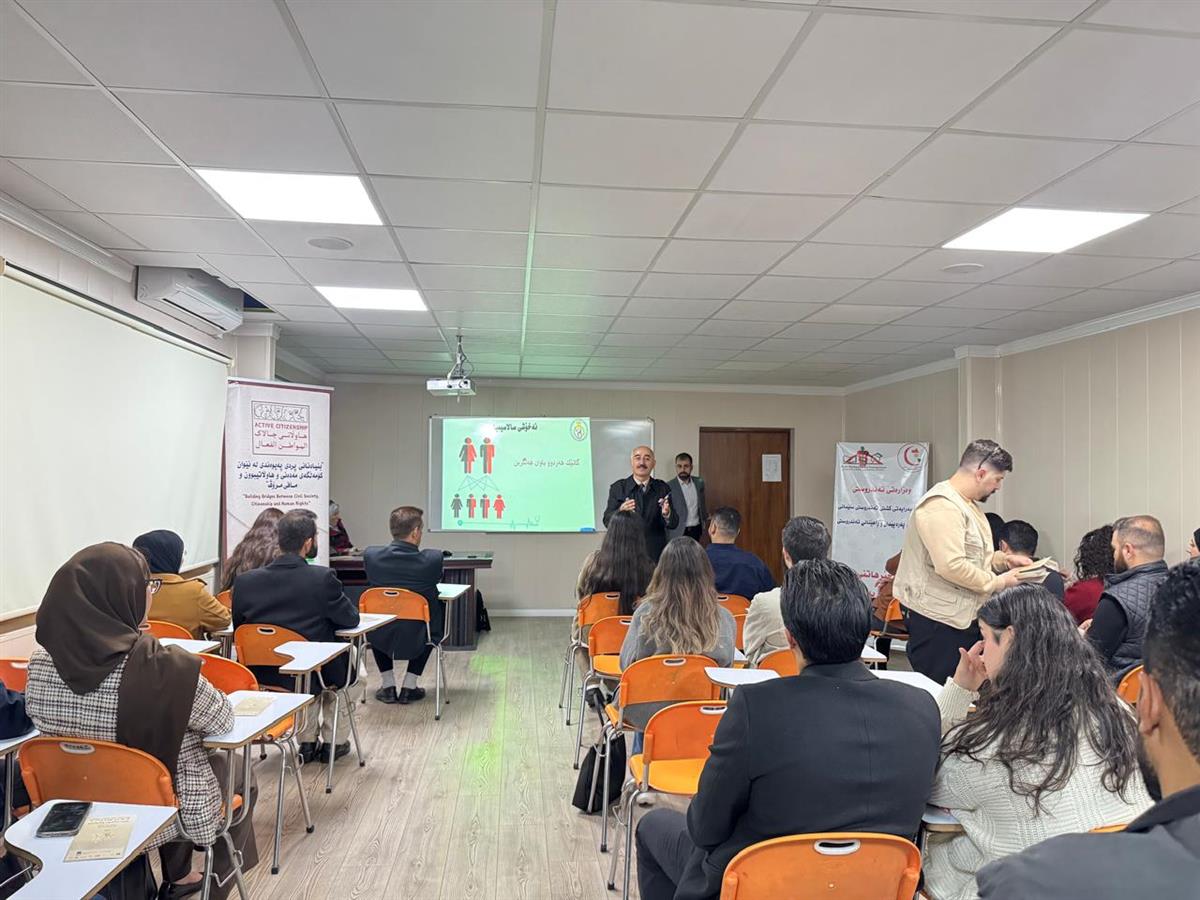
Awareness Session for Young Women and Men Preparing for Marriage within the 16 Days of Activism Against Gender-Based Violence
2025-12-11

Implementing Agency: Human Network for Health and Humanitarian Work
Activity Title: Awareness Session for Young Women and Men Preparing for Marriage within the 16 Days of Activism Against Gender-Based Violence
Date: 07 December 2025
Location: Sulaymaniyah – Health Development and Training Center, Directorate General of Health
Duration: Approximately 3 hours (including short breaks between the three thematic modules)
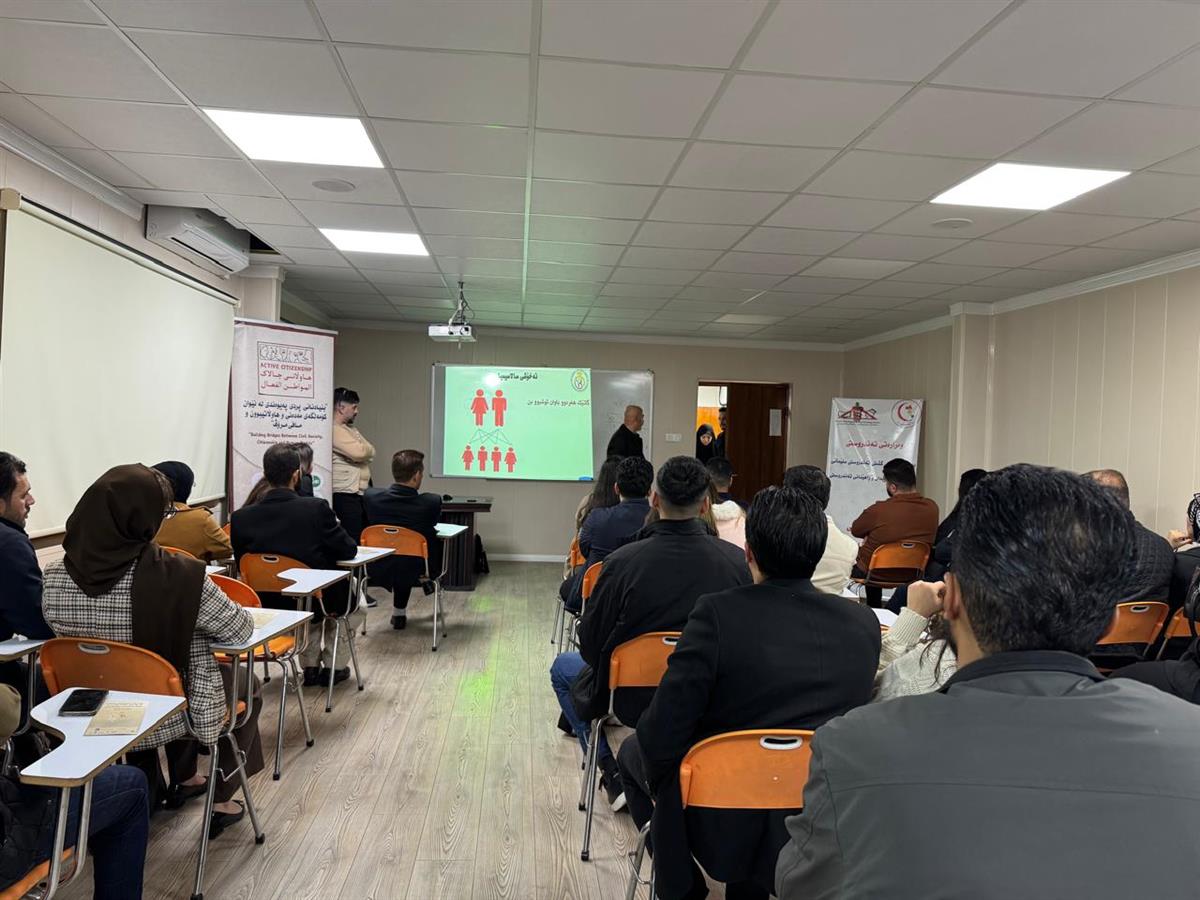
Number of Participants: More than fifty couples
1. Introduction
This session was conducted as part of the global 16 Days of Activism Against Gender-Based Violence, with the aim of enhancing health, legal, and social awareness among individuals preparing for marriage. The session sought to promote the foundations of safe and stable families, reduce domestic violence, and strengthen a culture of mutual rights and responsibilities.
2. Objectives
Increase health awareness regarding marriage preparation, prevention of communicable diseases, and premarital medical testing.
Strengthen legal knowledge related to marriage procedures, requirements, rights and responsibilities, and prevention of communication-related offenses.
Develop couples’ social skills in managing marital relationships, respecting their partners, resolving conflicts peacefully, and planning for family and financial stability.
Contribute to preventing domestic violence through legal and social empowerment.
3. Target Group and Attendance
Target Group: Young women and men preparing for marriage.
Attendance: More than fifty couples participated, with notable engagement during discussions and Q&A.
4. Implementation Team
Public Health Specialist: Presented topics on premarital health preparation, prevention of communicable diseases, consanguineous marriage, risks of early marriage, its impact on children, and the importance of premarital testing.
Legal Expert: Provided legal information on marriage procedures and requirements, principles of consent, rights and obligations of both partners, domestic violence prevention, and communication-related crimes and their penalties.
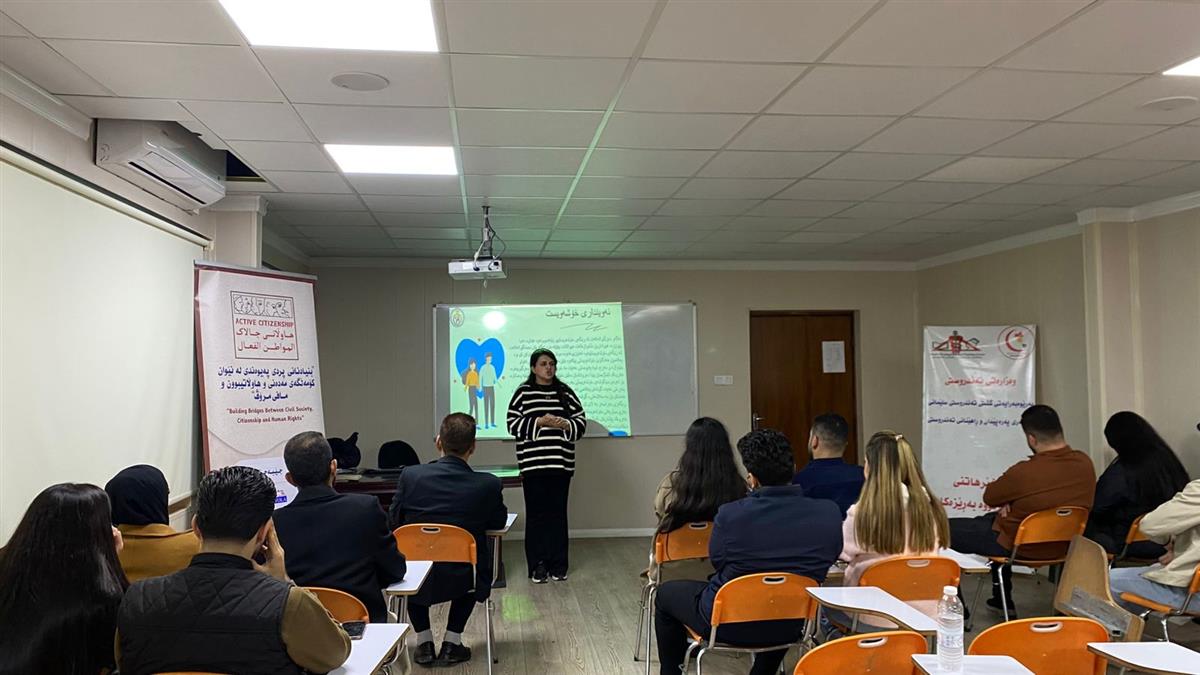
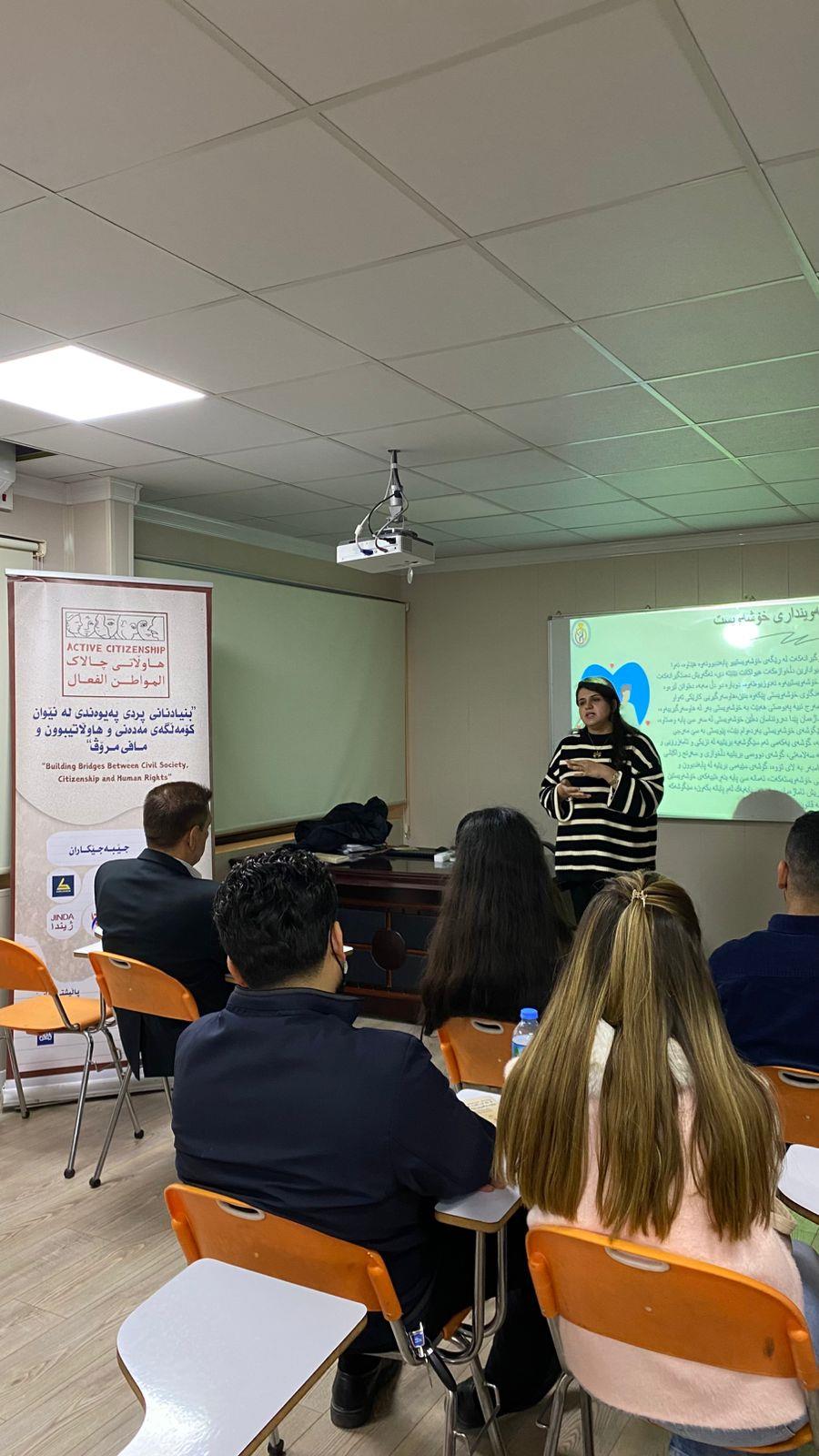
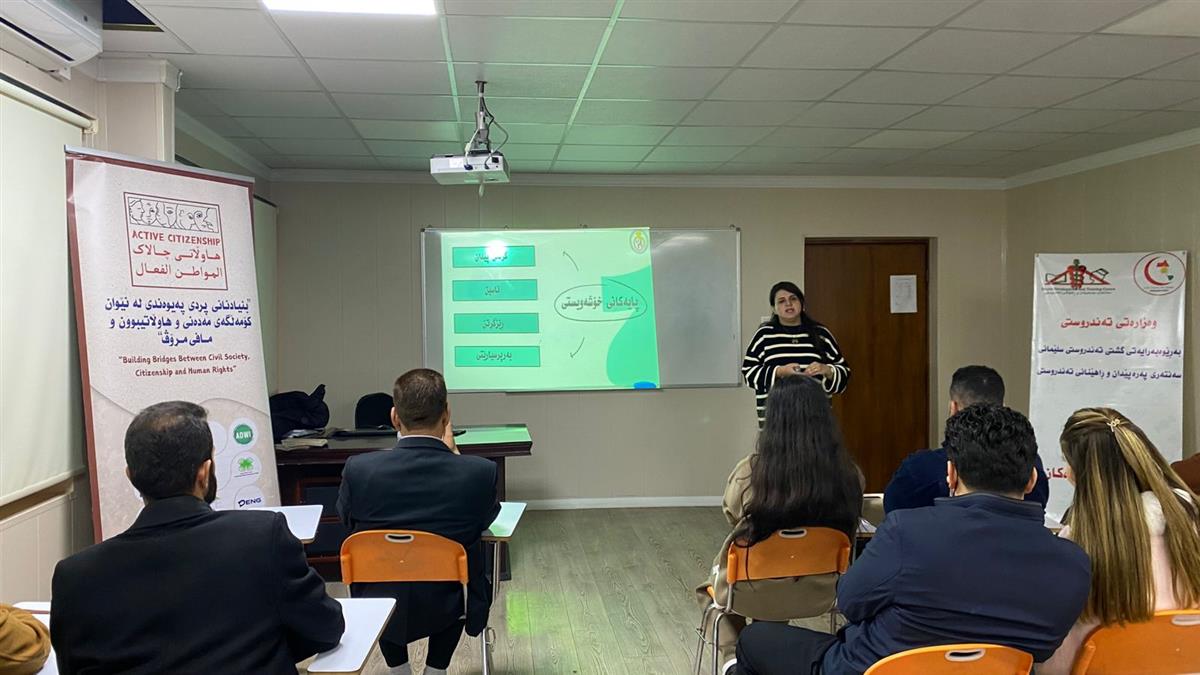
Social Researcher: Explained relationship stages (acquaintance, engagement, marriage), marital responsibilities, communication skills, respectful partnership, conflict management, household and financial planning, and considerations for pregnancy and childbirth.
5. Session Themes and Key Outcomes
1. Health Module
Topics:
Physical and psychological preparation for marriage
Sexually transmitted diseases and prevention
Consanguineous marriage and genetic risks
Early marriage and its health and social consequences
Childhood illnesses and the role of premarital and pre-pregnancy testing
Outcomes:
Reinforced the importance of essential premarital medical testing
Increased participants’ awareness of prevention methods and the need for genetic counseling when necessary
2. Legal Module
Topics:
Legal literacy for couples and procedures for marriage documentation
Principles of mutual consent and shared rights and responsibilities
Legal definitions and protections related to domestic violence
Cyber-related crimes (e-blackmail, defamation, privacy violations) and associated penalties
Outcomes:
Enhanced participants’ understanding of the legal framework governing marital relationships
Strengthened awareness of protective legal mechanisms and procedures for reporting cybercrimes
3. Social Module
Topics:
Stages of relationships: acquaintance, engagement, and marriage
Principles of effective communication and mutual respect
Peaceful and responsible conflict resolution and dialogue
Planning daily life and financial management
Shared responsibilities and planning for pregnancy and childbirth
Outcomes:
Empowered participants with practical skills for conflict management and joint decision-making
Reinforced the concept of partnership and balanced family roles
6. Methodology
Interactive presentations across three thematic modules
Open discussions and Q&A with the experts
Short breaks between modules to maintain focus and organize time
7. Performance Indicators and Results
Attendance: More than fifty couples
Engagement: Active participation through questions and discussions
Satisfaction: Participants expressed appreciation for the relevance and usefulness of the session
Knowledge Improvement: Clear enhancement in awareness regarding premarital testing, rights and responsibilities, and prevention of domestic violence and cybercrimes
8. Recommendations
Continue organizing regular sessions for those preparing for marriage, expanding coverage geographically.
Develop simplified booklets and guides on premarital health tests, legal rights and duties, and family communication skills.
Strengthen partnerships with premarital testing centers, legal clinics, and domestic violence protection units.
Include dedicated sessions on digital safety and cybercrime prevention.
Establish a post-session follow-up mechanism to measure impact and provide individual consultations when needed.
9. Conclusion
The session successfully enhanced participants’ knowledge and skills in the health, legal, and social dimensions of marriage. It strengthened their understanding of rights, responsibilities, and methods of preventing domestic violence and cybercrimes. The Human Network recommends sustaining these activities and integrating them with health, legal, and social services to ensure long-term, positive outcomes for families and the wider community.